According to the heat transfer method, it can be divided into: partition heat exchanger, regenerative heat exchanger, fluid connection indirect heat exchanger, direct contact heat exchanger, and compound heat exchanger.
According to the use, it can be divided into: heater, preheater, superheater, evaporator.
According to the structure, it can be divided into: floating head heat exchanger, fixed tube plate heat exchanger, U-shaped tube plate heat exchanger, plate heat exchanger, etc.
The differences between Shell-and-Tube Heat Exchangers and Plate Heat Exchangers: Structure
1. Structure of Shell-and-Tube Heat Exchanger
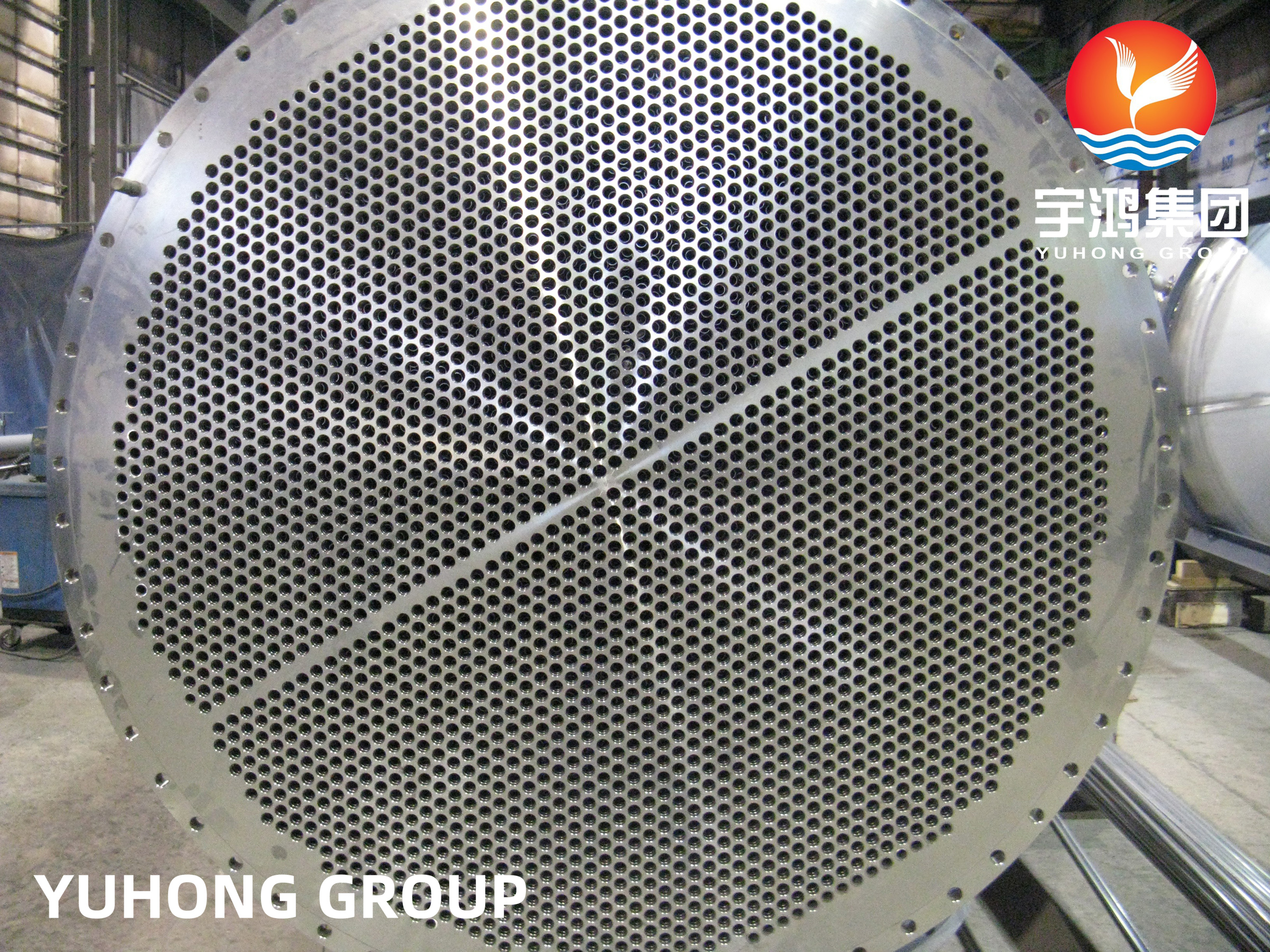
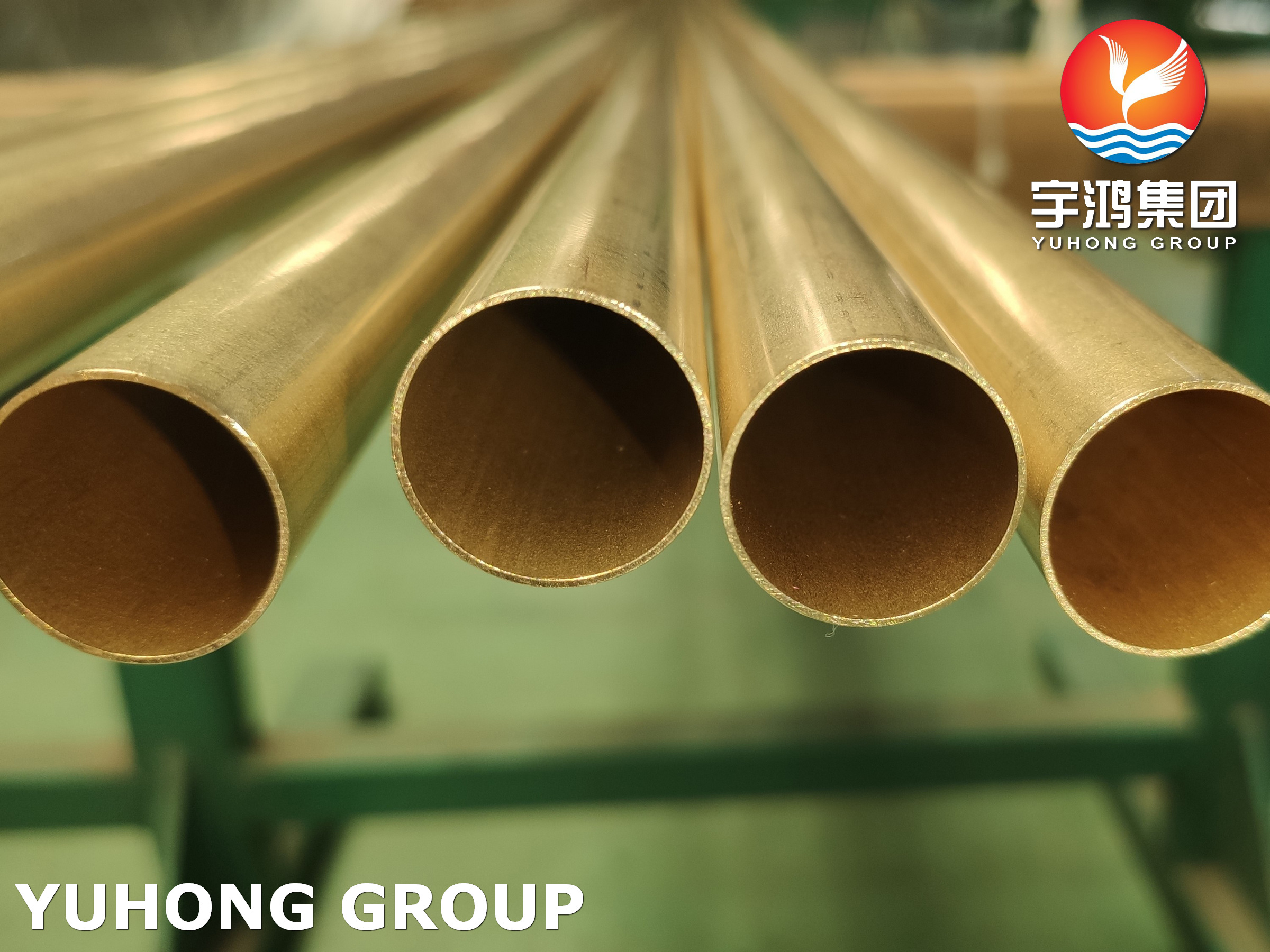
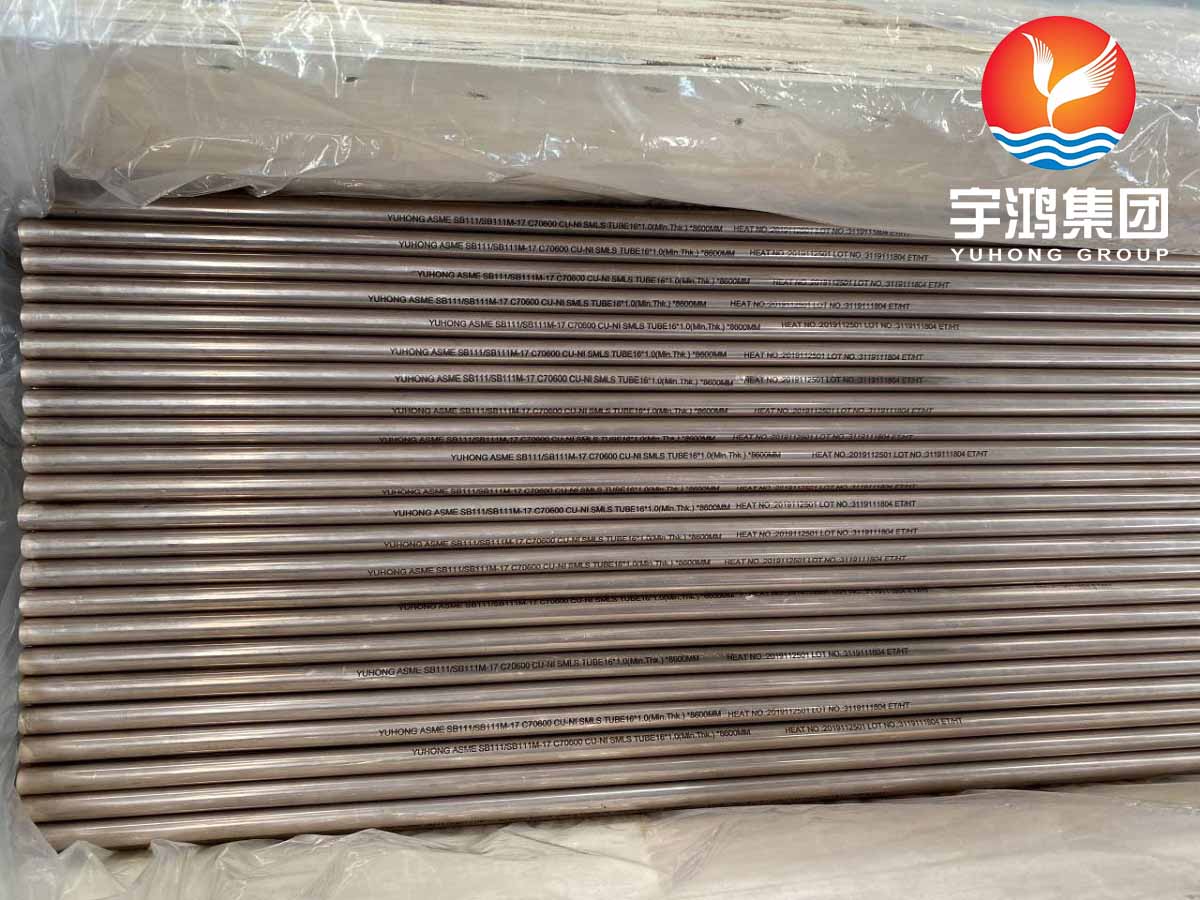
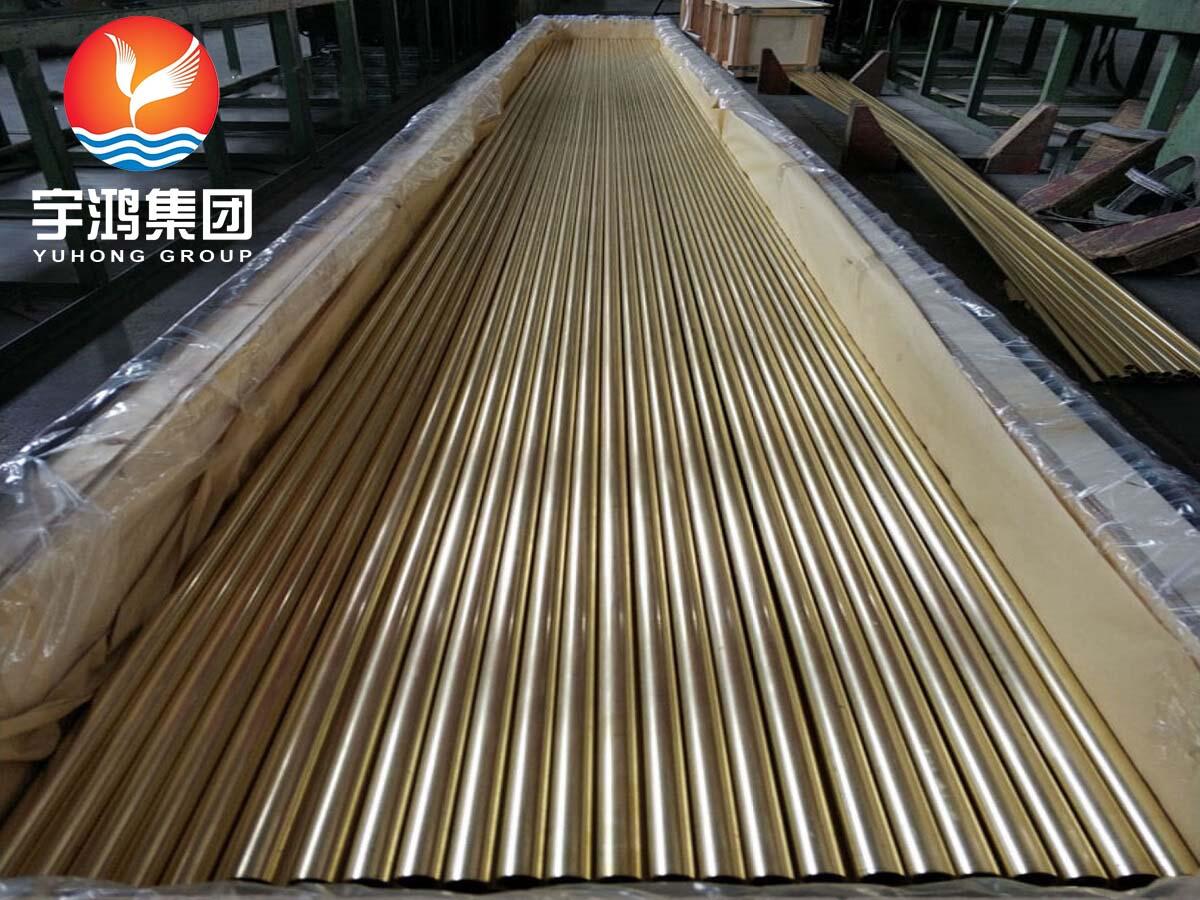
Shell-and-tube heat exchangers consist of shells, heat transfer tube bundles, tube sheets, baffles (baffles) and tube boxes. The shell is mostly cylindrical, with tube bundles inside, and both ends of the tube bundles are fixed on the tube sheet. There are two kinds of hot fluids and cold fluids for heat transfer, one is the fluid inside the tube, which is called the tube side fluid; the other is the fluid outside the tube, which is called the shell side fluid.
In order to improve the heat transfer coefficient of the fluid outside the tube, several baffles are usually arranged in the tube shell. The baffle can increase the velocity of the fluid in the shell side, so that the fluid passes through the tube bundle multiple times at a specified distance, and the turbulence of the fluid is improved.
The heat exchange tubes can be arranged in an equilateral triangle or square on the tube sheet. The equilateral triangle is compactly arranged, the fluid turbulence outside the tube is high, and the heat transfer coefficient is large. The square arrangement facilitates cleaning the outside of the tube and is suitable for fouling-prone fluids.
2. Structure of Plate Heat Exchanger
The detachable plate heat exchanger is made of many stamped corrugated sheets at certain intervals, sealed around with gaskets, and overlapped with frames and compression screws. The four corner holes of the plate and gasket form the fluid distributors and headers. At the same time, the cold and hot fluids are reasonably separated so that they are separated on both sides of each plate. Flow in channels, heat exchange through plates.
The differences between Shell-and-Tube Heat Exchangers and Plate Heat Exchangers: Classification
1. Classification of Shell-and-Tube Heat Exchangers
(1) The tube sheet of the fixed tube sheet heat exchanger is integrated with the tube bundles at both ends of the tube shell. The structure is simple, but it is only suitable for heat exchange operations when the temperature difference between the cold and hot fluids is small and the shell side does not need mechanical cleaning. When the temperature difference is slightly larger and the pressure on the shell side is not too high, an elastic compensation ring can be installed on the shell to reduce thermal stress.
(2) The tube sheet at one end of the tube bundle of the floating head heat exchanger can float freely, completely eliminating thermal stress, and the entire tube bundle can be pulled out from the shell, which is convenient for mechanical cleaning and maintenance. Floating head heat exchangers are widely used, but their structure is complex and the cost is high.
(3) Each tube of the U-shaped tube heat exchanger is bent into a U shape, and both ends are fixed on the same tube sheet in the upper and lower areas. With the help of the tube box partition, it is divided into two chambers: inlet and outlet. The heat exchanger completely eliminates the thermal stress, and its structure is simpler than the floating head structure, but the tube side is not easy to clean.
(4) The eddy current hot film heat exchanger adopts the latest eddy current hot film heat exchange technology to improve the heat exchange effect by changing the fluid motion state. When the medium passes through the surface of the vortex tube, it will strongly scour the surface of the vortex tube, thereby improving the heat transfer efficiency up to 10,000 W/m2. At the same time, the structure has the functions of corrosion resistance, high temperature resistance, high pressure resistance, and anti-scaling.
2. Classification of Plate Heat Exchangers
(1) According to the size of the heat exchange area per unit space, the plate heat exchanger is a compact heat exchanger, which is mainly compared with the shell and tube heat exchanger. Traditional shell and tube heat exchangers have a large footprint.
(2) According to the use of the process, there are different names: plate heater, plate cooler, plate condenser, plate preheater.
(3) According to the process combination, it can be divided into one-way plate heat exchanger and multi-way plate heat exchanger.
(4) According to the flow direction of the two media, it can be divided into parallel plate heat exchangers, counter-flow plate heat exchangers and cross-flow plate heat exchangers. The latter two are more commonly used.
(5) According to the gap size of the runner, it can be divided into conventional gap plate heat exchangers and wide gap plate heat exchangers.
(6) According to the corrugated wear, there are more detailed differences in plate heat exchangers, which will not be repeated. Please refer to: corrugated form of plate heat exchangers.
(7) According to whether it is a complete set of products, it can be divided into single plate heat exchanger and plate heat exchanger unit.
The differences between Shell-and-Tube Heat Exchangers and Plate Heat Exchangers: Features
1. Features of Shell-and-Tube Heat Exchanger
(1) High efficiency and energy saving, the heat transfer coefficient of the heat exchanger is 6000-8000W/(m2·k).
(2) All stainless steel production, long service life, up to 20 years.
(3) The laminar flow is changed to turbulent flow, which improves the heat transfer efficiency and reduces the thermal resistance.
(4) Fast heat transfer, high temperature resistance (400 degrees Celsius), high pressure resistance (2.5 MPa).
(5) Compact structure, small footprint, light weight, convenient installation, saving civil construction investment.
(6) The design is flexible, the specifications are complete, the practicability is strong, and the money is saved.
(7) It has a wide range of application conditions and is suitable for pressure, temperature range and heat exchange of various media.
(8) Low maintenance cost, simple operation, long cleaning cycle and convenient cleaning.
(9) The use of nano-thermal film technology can significantly improve the heat transfer coefficient.
(10) Widely used in thermal power, industrial and mining, petrochemical, urban central heating, food and medicine, energy electronics, mechanical light industry and other fields.
(11) A copper tube with radiating fins is rolled on the outer surface of the heat transfer tube, with high thermal conductivity and large heat transfer area.
(12) The guide plate guides the continuous flow of the shell-side fluid in the break in the heat exchanger. The distance between the guide plates can be adjusted for optimum flow. The structure is sturdy and can meet the heat transfer of shell-side fluids with large flow or even ultra-large flow and high pulsation frequency.
(13) When the shell side fluid is oil, it is suitable for low viscosity, clean heat transfer oil.
2. Features of Plate Heat Exchanger
(1) High heat transfer coefficient
Since different corrugated plates are reversed, complex channels are formed, so that the fluid between the corrugated plates flows in a three-dimensional swirling flow, which can generate turbulent flow at a lower Reynolds number (generally Re=50-200), so heat transfer The coefficient is relatively high, and the red is generally considered to be 3-5 times that of the shell-and-tube type.
(2) The logarithmic average temperature difference is large, and the terminal temperature difference is small
In a shell and tube heat exchanger, there are two fluid flows in the tube side and the tube side, respectively. Generally, they are cross-flow and have a small log-average temperature difference correction factor. Most plate heat exchangers have parallel or countercurrent flow, and the correction factor is generally around 0.95. Furthermore, the flow of hot and cold fluids in the plate heat exchanger is parallel to the flow of hot and cold fluids in the heat exchanger.
The hot surface and no bypass make the temperature difference at the end of the plate heat exchanger small, and the heat transfer to water can be less than 1 °C, while the shell and tube heat exchanger is generally 5 °C.
(3) Small footprint
The plate heat exchanger has a compact structure, and the heat transfer area per unit volume is 2-5 times that of the shell and tube heat exchanger. Unlike shell and tube heat exchangers, it does not require maintenance locations for tube bundle extraction. Therefore, in order to achieve the same heat transfer capacity, the footprint of the plate heat exchanger is about 1/5-1/8 of that of the shell and tube heat exchanger.
(4) It is easy to change the heat exchange area or process combination
As long as a few plates are added or removed, the purpose of increasing or decreasing the heat transfer area can be achieved. By changing the plate type arrangement or replacing multiple plate types, the required process combination can be achieved, and the heat exchange area of the shell and tube heat exchanger can be adapted to the new heat exchange conditions. It is almost impossible to increase the heat exchange area of the shell and tube heat exchanger.
(5) Light weight
The plate thickness of the plate heat exchanger is only 0.4-0.8 mm, and the tube thickness of the shell and tube heat exchanger is 2.0-2.5 mm. Shell and tube heat exchangers are much heavier than plate heat exchanger frames. The plate heat exchanger generally only accounts for about 1/5 of the weight of the shell.
(6) Low price
The plate heat exchanger has the same material and the same heat exchange area, and the price is 40%~60% lower than that of the shell and tube heat exchanger.
(7) Easy to make
The heat transfer plate of the plate heat exchanger is stamped, has a high degree of standardization, and can be mass-produced. Shell and tube heat exchangers are usually hand-made.
(8) Easy to clean
As long as the pressure bolts are loosened for the frame plate heat exchanger, the tube bundle of the plate heat exchanger can be loosened, and the plate heat exchanger can be removed for mechanical cleaning. This is very convenient for the heat exchange process of equipment that needs to be cleaned frequently.
(9) Small heat loss
In the plate heat exchanger, only the shell plate of the heat exchange plate is exposed to the atmosphere, the heat loss is negligible, and no insulation measures are required.