


Overview
Grade 316L, the low carbon version of 316 and is immune from sensitization (grain boundary carbide precipitation). Thus it is extensively used in heavy gauge welded components (over about 6mm). There is commonly no appreciable price difference between 316 and 316L stainless steel.
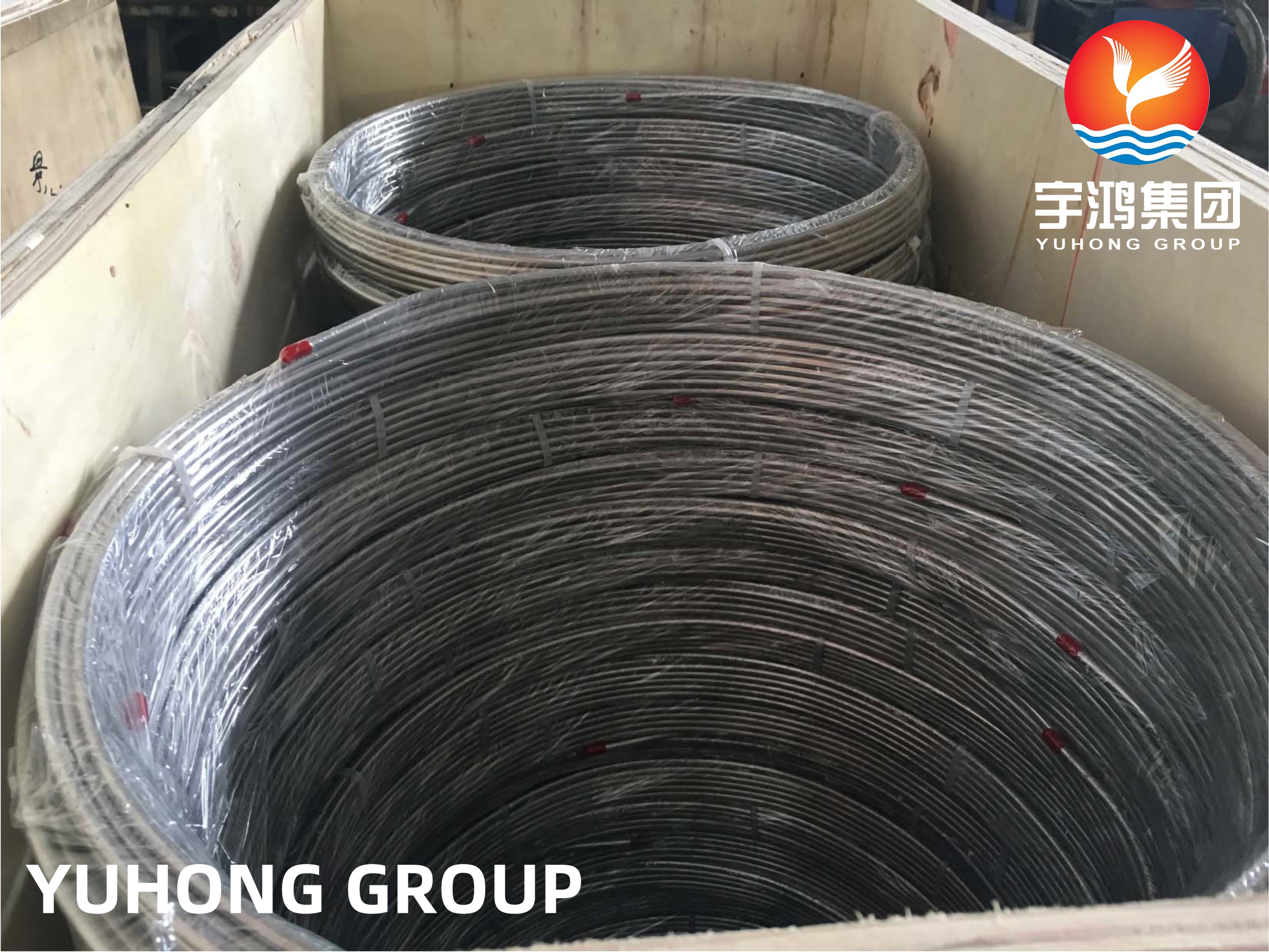
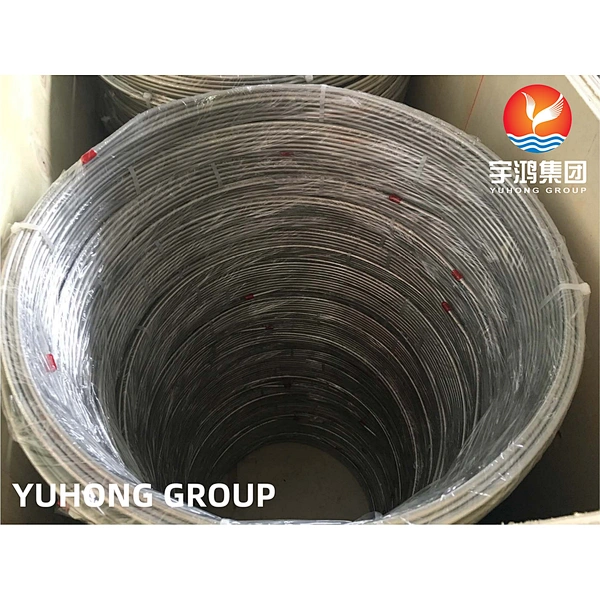
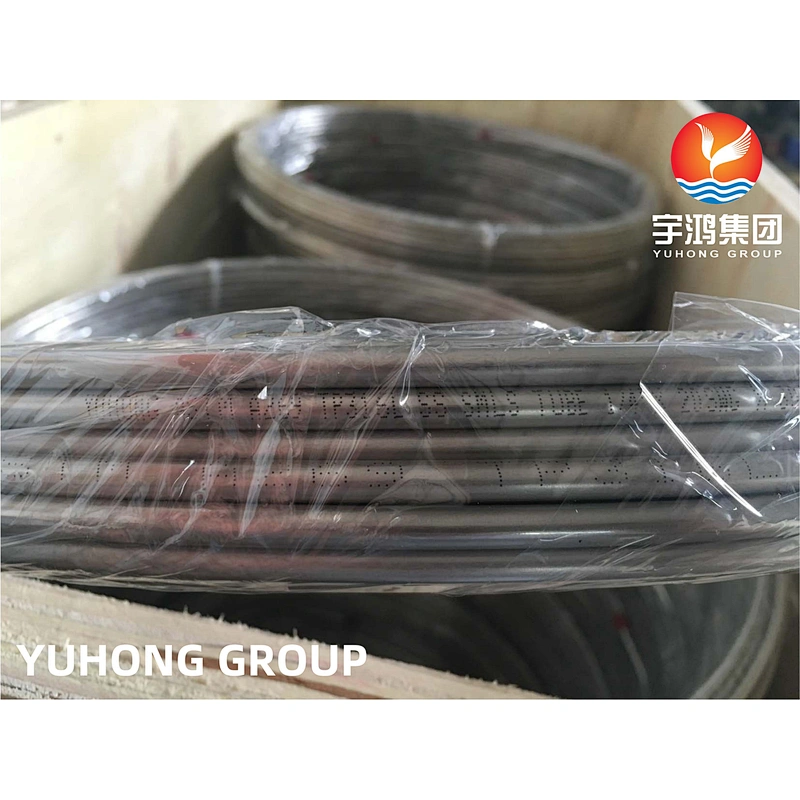
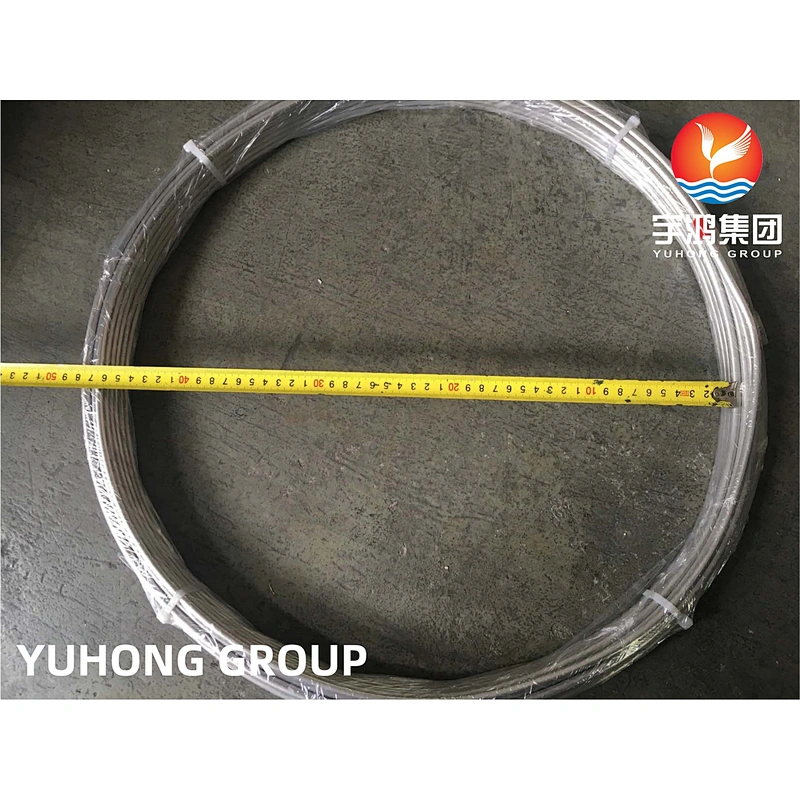
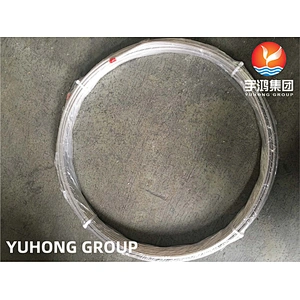
Stainless steel coils, which divided into spiral coils, U-shaped tubes, serpentine tubes, etc. They are mainly used as pressure tubes, heat exchange tubes, and fluid tubes. They have high temperature steam resistance, impact corrosion resistance, ammonia corrosion resistance, scaling resistance, anti-oxidative corrosion and other advantages.
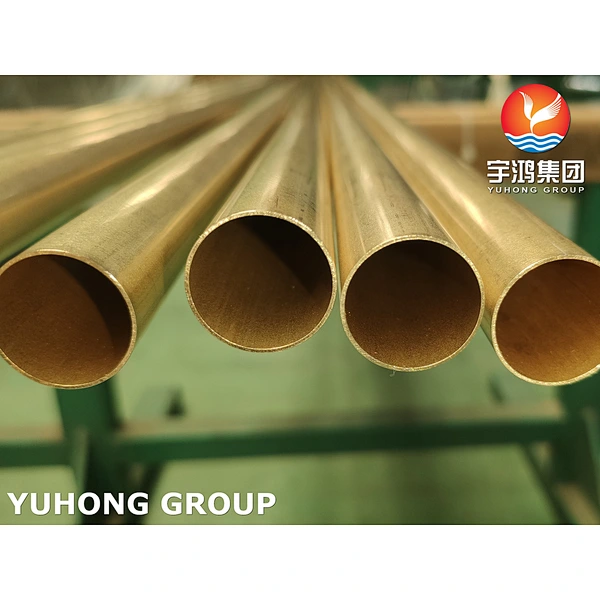
The stainless steel coil has a uniform tube wall, and the wall thickness is only 50-70% of that of the copper tube. The overall thermal conductivity is better than that of the copper tube. It is an ideal heat exchange tube for manufacturing equipment.
Among the materials made of coils, the thermal conductivity of copper coils is 100W/m°C, and the thermal conductivity of stainless steel coils is 13W/m°C. However, the wall thickness of the stainless steel tube can be reduced to 0.5~0.8mm, while the wall thickness of the copper tube cannot be less than 1.2mm due to strength and erosion wear.
In addition, according to the formula : Rc = λδ, where :
Rc : Thermal resistance
λ : Thermal conductivity
δ : Tube wall thickness
When the tube material is constant and λ is constant, according to the formula, the smaller the δ, the smaller the Rc, and the larger the heat transfer coefficient. This can narrow the gap between the overall heat transfer coefficient of the stainless steel coil and the copper coil. The outer wall of the stainless steel tube is smoother and more delicate than the outer wall of the copper tube, so it is less likely to form scale, and has certain advantages in use.
According to the experimental results, the overall heat transfer coefficient of the stainless steel coil is 6% lower than that of the copper tube with the same wall thickness. Due to the use of stainless steel tubes that are thinner than copper tubes, the overall heat transfer coefficient and condensation heat release coefficient of stainless steel tubes are larger than those of copper tubes, and finally the overall heat transfer coefficient of stainless steel coils is increased by 2.121-8.408%.
Specification
ASTM A269/A269M-15a(2019) Standard Specification for Seamless and Welded Austenitic Stainless Steel Tubing for General Service.
Specifications | ASTM A213, A249, A270, A269 / ASME SA213, SA249, SA270, A269 |
Standard | ASTM, ASME and API |
Seamless Tubes Range | 1/2"OD - 12"OD |
Welded Tubes Range | 1/2"OD - 12"OD, Guage: 25 SWG - 10 SWG |
Outside Diameter | 3.00 mm - 219.10 mm, 6.35 mm O.D to 114.3 mm O.D |
Length | Single Random, Double Random & Required Length |
Thickness | 0.40 mm - 12.70 mm, 0.8 mm to12.7 mm |
Schedule | SCH20, SCH30, SCH40, STD, SCH80, XS, SCH60, SCH120, SCH140, SCH160, XXS |
Type | Seamless, Welded, ERW |
Form | Round Tubes, Square Tubes, Rectangular Tube |
End | Plain End, Beveled End, Treaded |
Grade Specification Comparison
Grade | UNS No | Old British | Euronorm | Japanese JIS | ||
|---|---|---|---|---|---|---|
BS | En | No | Name | |||
316L | S31603 | 316S11 | - | 1.4404 | X2CrNiMo17-12-2 | SUS 316L |
Chemical Composition
Grade | C | Mn | Si | P | S | Cr | Mo | Ni | N | |
|---|---|---|---|---|---|---|---|---|---|---|
316L | Min | - | - | - | - | - | 16.0 | 2.00 | 10.0 | - |
Max | 0.03 | 2.0 | 0.75 | 0.045 | 0.03 | 18.0 | 3.00 | 14.0 | 0.10 | |
Mechanical Properties
Grade | Tensile Str | Yield Str 0.2% | Elong | Hardness | |
|---|---|---|---|---|---|
Rockwell B (HR B) max | Brinell (HB) max | ||||
316L | 485 | 170 | 40 | 95 | 217 |
Physical Properties
Grade | Density | Elastic Modulus | Mean Co-eff of Thermal Expansion | Thermal Conductivity | Specific Heat 0-100 °C | Elec Resistivity | |||
|---|---|---|---|---|---|---|---|---|---|
0-100 °C | 0-315 °C | 0-538 °C | At 100 °C | At 500 °C | |||||
316/L/H | 8000 | 193 | 15.9 | 16.2 | 17.5 | 16.3 | 21.5 | 500 | 740 |
Applications
Industrial stainless steel coils:
1. Heat Exchangers.
2. Boilers.
3. Petroleum.
4. Chemical.
5. Fertilizer.
6. Pharmaceutical.
7. Nuclear Power.
Mechanical structures stainless steel coils:
1. Printing.
2. Medical Equipment.
3. Automobile.
4. Marine accessories.