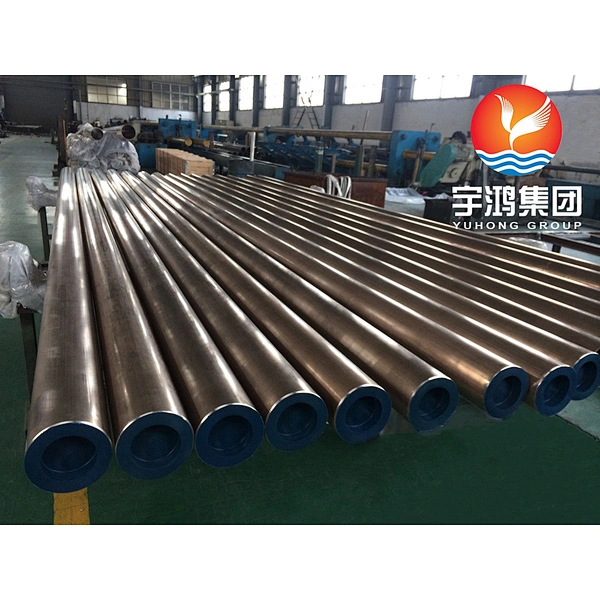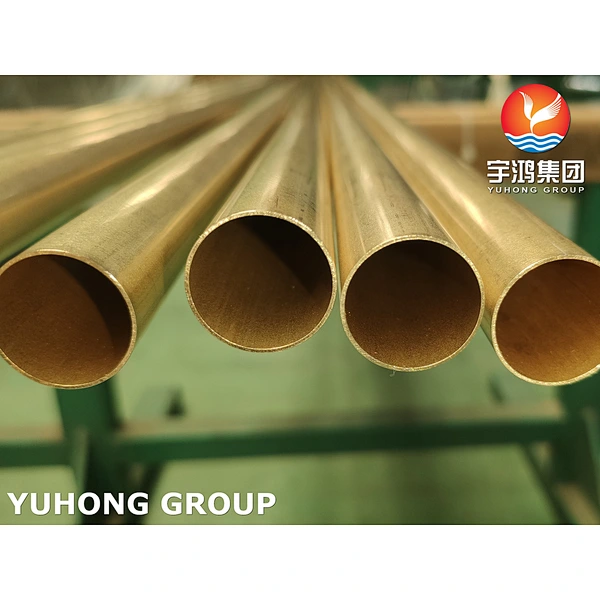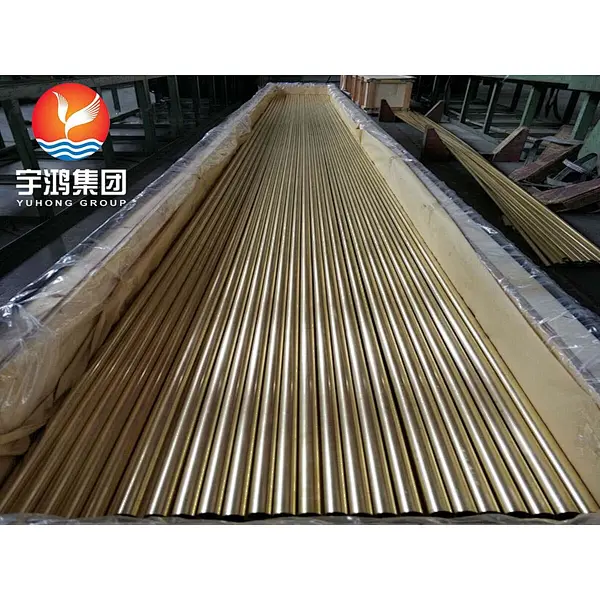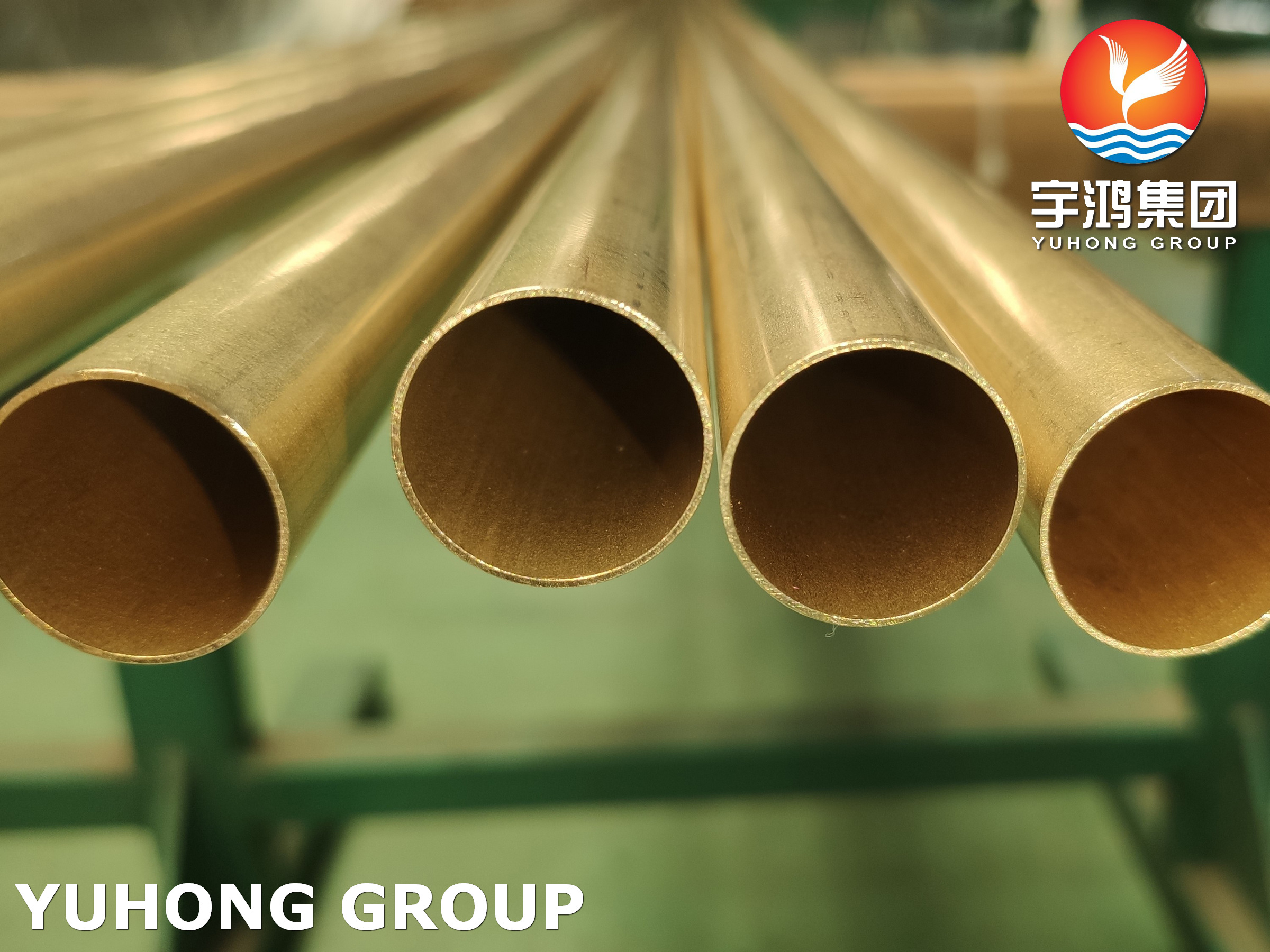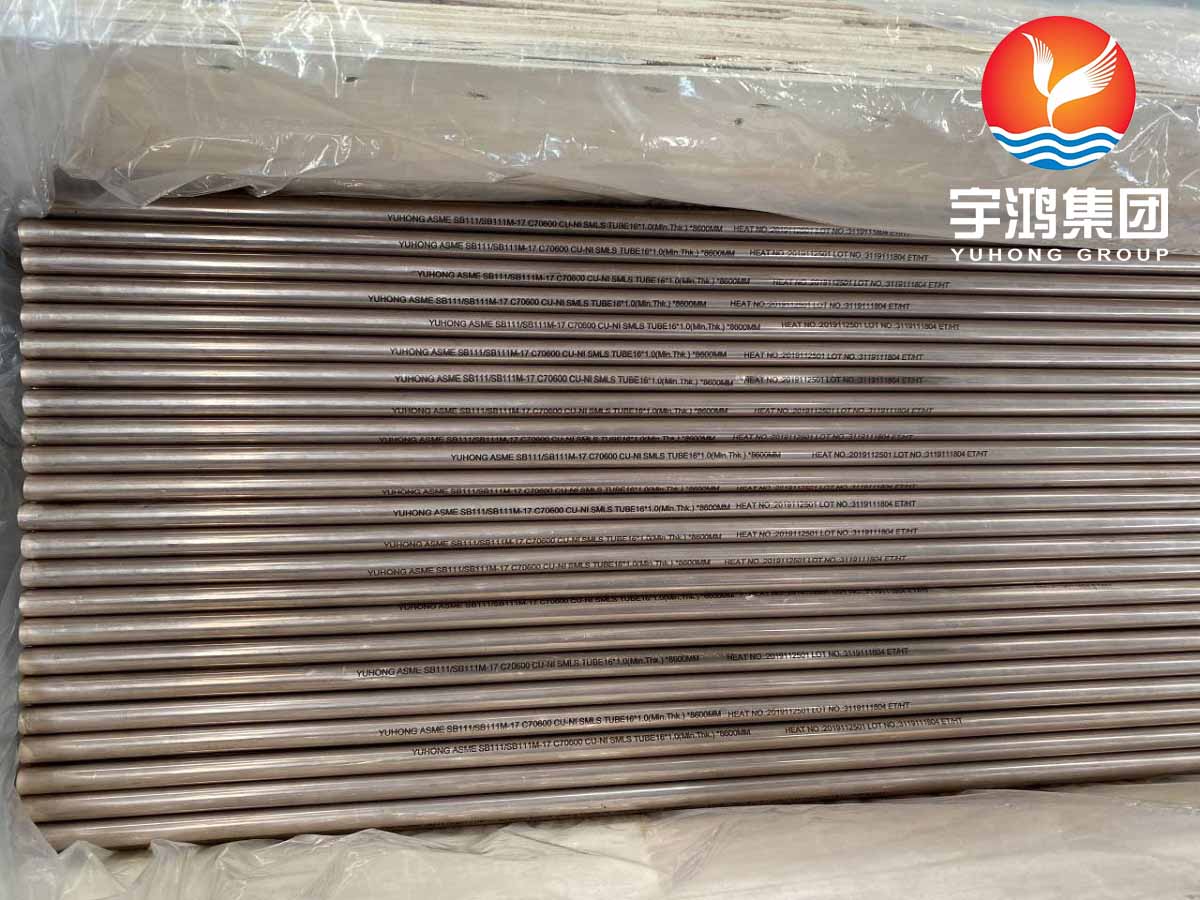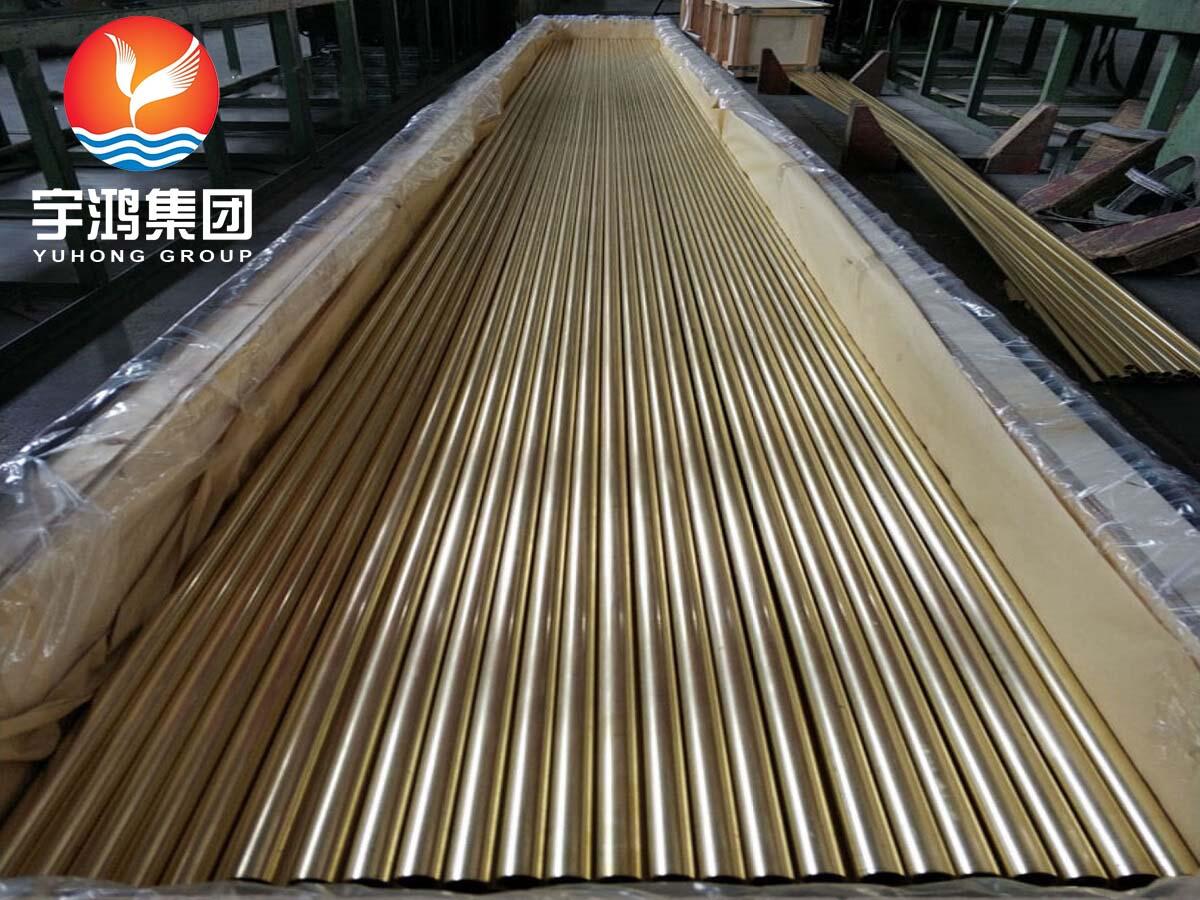
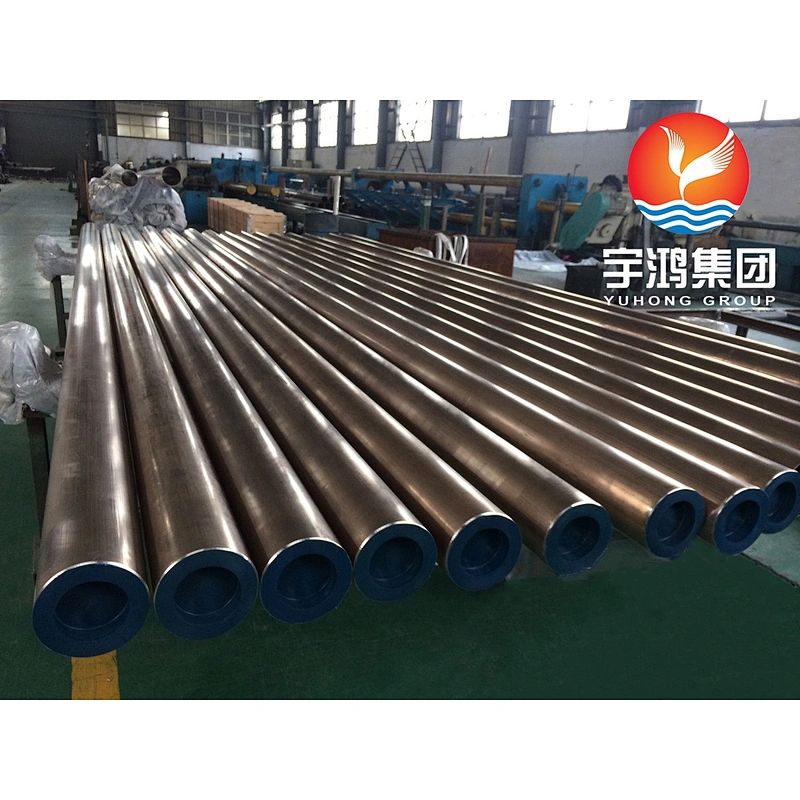
Overview
Cu-Ni alloys are alloys of copper (base metal with the largest individual content) and nickel with or without other elements, whereby the zinc content may not be more than 1%. When other elements are present, nickel has the largest individual content after copper, compared with each other element. As with other copper alloys, it is necessary to distinguish between wrought alloys, which are processed to semi-finished products, and cast alloys, from which castings are produced by various casting processes. The Cu-Ni alloys with additions of manganese are important in electrical engineering. Additions of iron significantly improve the resistance of Cu-Ni alloys to erosion corrosion in flowing seawater and other aggressive waters.
Specifications
Standard | Description |
|---|---|
ASTM B552 | SEAMLESS AND WELDED COPPER-NICKEL TUBES FOR WATER DESALTING PLANTS |
ASTM B111/B111M | COPPER AND COPPER ALLOY SEAMLESS CONDENSER TUBES AND FERRULE STOCK |
ASTM B543/B543M | WELDED COPPER AND COPPER ALLOY HEAT EXCHANGER TUBE |
Trade Name | UNS | Copper Nickel Industry Specifications | Chemical Composition | Min.Tensile | Min.Yield | Elongation |
|---|---|---|---|---|---|---|
CuNi 70/30 | UNS C71640 | ASTM B111, B543, B552 | Cu rem | 63 | 25 | -- |
Chemical Composition
Elements | |||||||
|---|---|---|---|---|---|---|---|
Cu(1,2,3) | Pb(4) | Zn(5) | Fe | Ni(6) | C | Mn | S |
(1) Cu + Sum of Named Elements 99.5% min. | |||||||