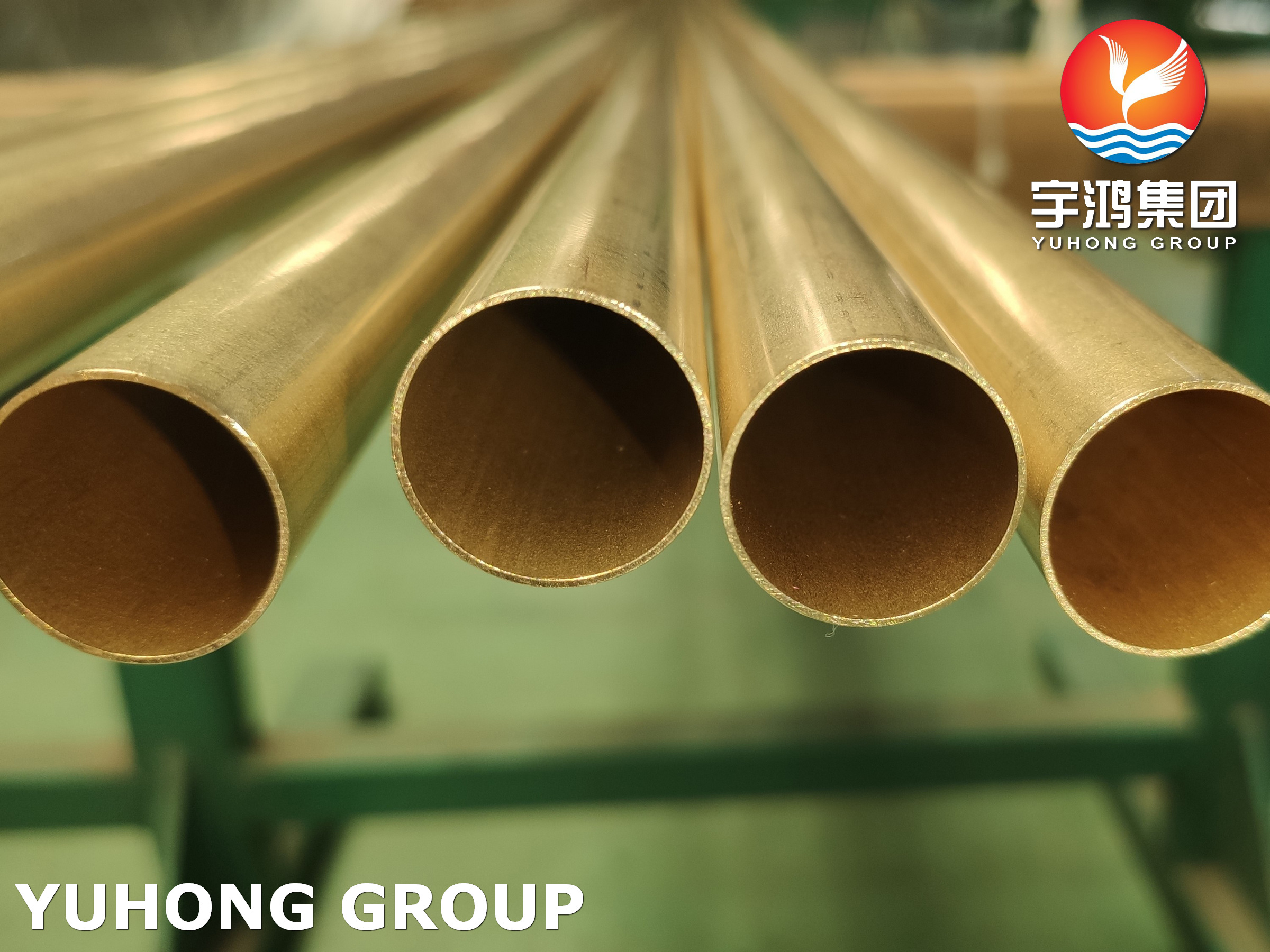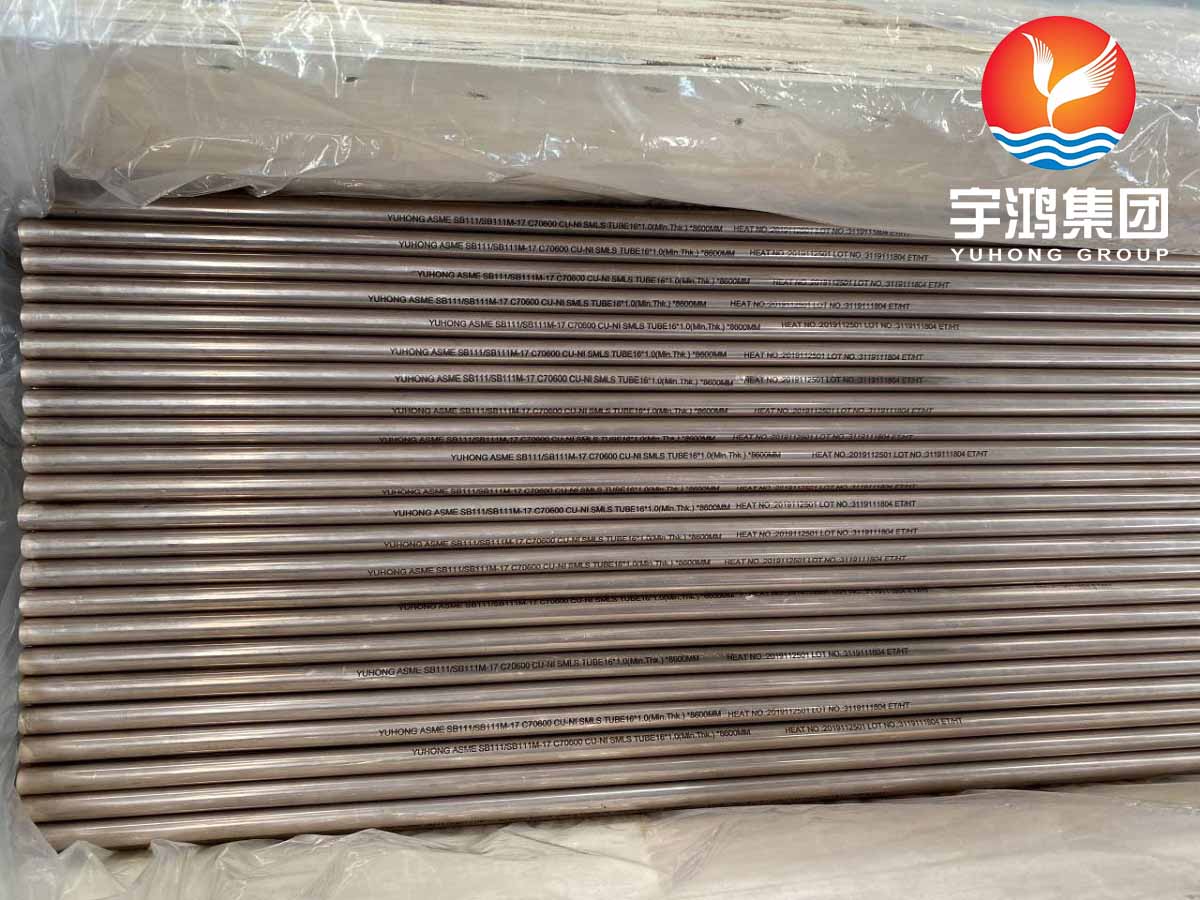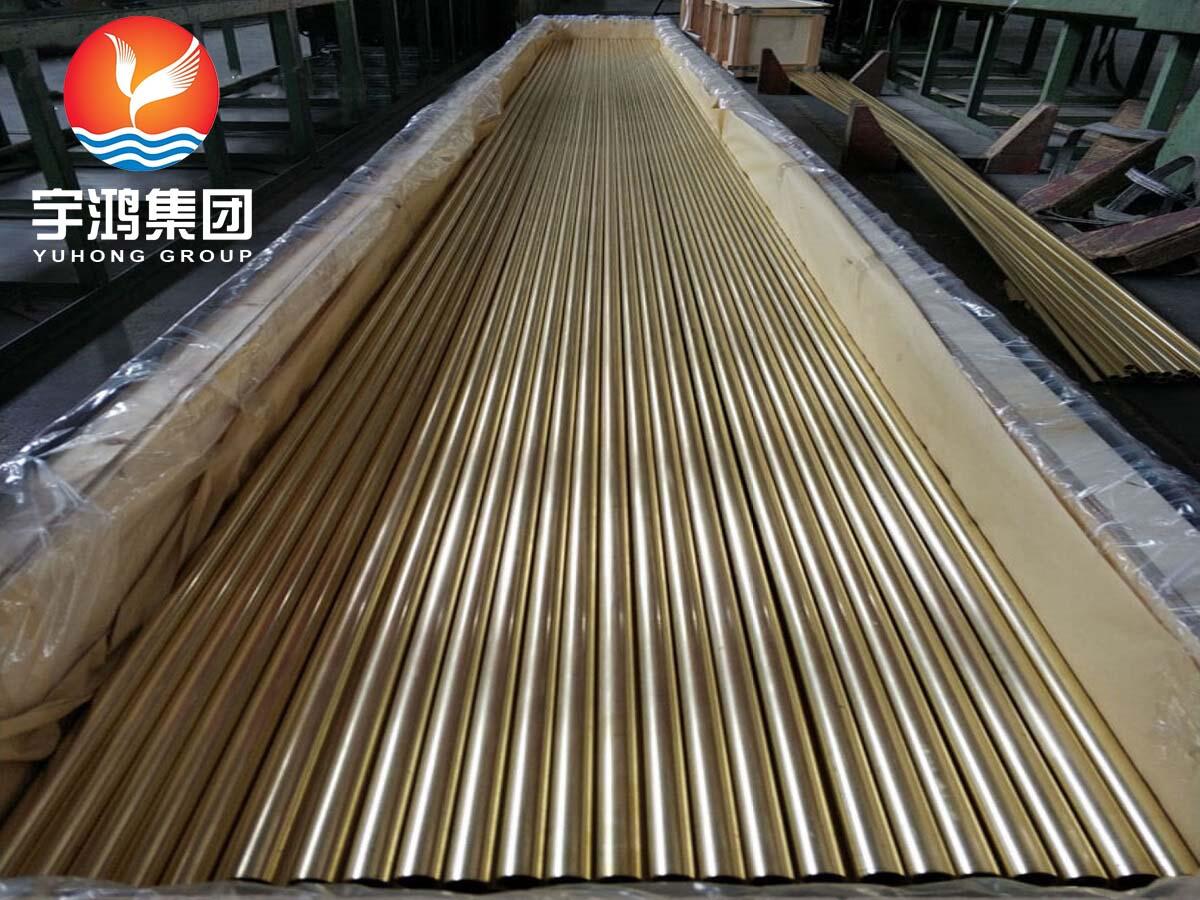
In the Shell and Tube Heat Exchanger, the heat exchanger tube and tube plate is the only barrier between the tube and shell process, heat exchanger tube and tube plate between the connection structure and connection quality determines the quality of the heat exchanger and service life, is a vital part of the heat exchanger manufacturing process.In the shell and tube heat exchanger heat exchanger tube and tube plate is the only barrier between the heat exchanger tube and shell process, heat exchanger tube and tube plate between the connection structure and connection quality determines the quality of the heat exchanger and service life, is a vital part of the heat exchanger manufacturing process.
Most of the Heat Exchanger damage and failure occur in the heat exchanger tube and tube plate connection parts, the quality of the connection joint also directly affects the safety and reliability of chemical equipment and devices, so for shell and tube heat exchanger in the heat exchanger tube and tube plate connection process has become the most critical control link in the heat exchanger manufacturing quality assurance system. At present, in the heat exchanger manufacturing process, the heat exchanger tube and plate connections are mainly: welding, expansion, expansion plus welding and gluing plus expansion and other methods.
1. Welding
Heat Exchanger tube and tube plate using welded connection, due to the lower processing requirements of the tube plate, manufacturing process is simple, there is a better sealing, and welding, appearance inspection, maintenance are very convenient, is currently the shell and tube heat exchanger tube and tube plate connection in the most widely used a connection method. In the use of welded connections, there to ensure the strength of the welded joint sealing and pull-off strength and only to ensure that the heat exchanger tube and tube plate connection sealing sealing welding. For the strength welding its performance is limited, only for the vibration is small and no gap corrosion occasions.
When using welded connection, the distance between heat exchanger tubes cannot be too close, otherwise the heat influence, the quality of the weld is not easy to be guaranteed, while the end of the tube should be left a certain distance to help reduce the mutual welding stress. The length of the heat exchanger tube extending out of the tube plate should meet the specified requirements to ensure its effective bearing capacity. In the welding method, according to the material of heat exchanger tube and tube plate can be welded by welding rod arc welding, TIG welding, CO2 welding and other methods. For the heat exchanger tube and plate connection requirements between the high heat exchanger, such as design pressure, design temperature, high temperature changes, as well as the heat exchanger subject to alternating loads, thin plate heat exchanger, TIG welding should be used.
Conventional welding connection method, due to the existence of gaps between the tube and tube plate holes, prone to gap corrosion and overheating, and the thermal stress generated at the welded joint may also cause stress corrosion and damage, which will make the heat exchanger failure. At present, in the domestic nuclear industry, power industry and other industries using heat exchangers, heat exchanger tube and tube plate connection has begun to use the inner hole welding technology, this connection method will heat exchanger tube and tube plate end welding changed to tube bundle inner hole welding, the use of full fusion penetration form, eliminating the gap in the end welding, improve the ability to resist gap corrosion and stress corrosion.
Its high vibration fatigue strength, can withstand high temperature and pressure, and the mechanical properties of the welded joint are better; internal nondestructive testing can be performed on the joint, and the internal quality of the weld can be controlled, which improves the reliability of the weld. But the bore welding technology assembly is more difficult, high requirements for welding technology, manufacturing and inspection complex, and manufacturing costs are relatively high. With the development of heat exchangers to high temperature, high pressure and large-scale, the manufacturing quality requirements are increasingly high, the bore welding technology will be more widely used.
2. Expansion Connection
Expansion is a traditional connection method between heat exchange tubes and tube sheets. The tube sheet and the tube are elasto-plastically deformed and tightly fitted by means of a tube expansion device to form a firm connection to achieve the purpose of sealing and resisting pull-off. In the manufacturing process of heat exchanger, expansion connec is suitable for occasions without severe vibration, excessive temperature change and serious stress corrosion.
3. Expansion and Welding
When the temperature and pressure is high, and in the thermal deformation, thermal shock, thermal corrosion and fluid pressure, heat exchanger tube and tube plate connection is very easy to be destroyed, the use of expansion or welding are difficult to ensure the strength of the connection and sealing requirements. At present, the widely used method is the expansion and welding. Expansion and welding structure can effectively damp the damage to the weld beam vibration, can effectively eliminate stress corrosion and gap corrosion, improve the fatigue resistance of the joint, thereby improving the service life of the heat exchanger, than the simple expansion or strength welding with higher strength and sealing.
4. Gluing and Expansion