The chemical composition has a great influence on the metallographic structure, mechanical properties, physical properties and corrosion resistance of steel. Alloying elements, whether intentionally added or unintentionally introduced during steelmaking, can affect these properties.
Alloying elements such as chromium, molybdenum, nickel, etc. are located in replacement positions in the crystal lattice. That is, they replace iron at the apex corners of the austenite lattice and at the center of the six faces of the cube. Due to their small size, carbon and nitrogen are located in the voids (interstitial sites) between lattice atoms, which generate huge strains in the lattice and thus become effective hardening elements. Alloying elements have different effects on the properties of steel, sometimes beneficial and sometimes detrimental. Choosing a certain steel composition or grade often requires the designer or materials engineer to sacrifice some properties in exchange for maximizing another. The main alloying elements of austenitic stainless steel have the following functions:
Chromium
Chromium is an alloying element that makes stainless steel "rust free". At least 10.5% chromium needs to be added to form the surface passivation film unique to stainless steel. The passivation film can effectively resist the corrosion of corrosive water, various acid solutions and even strong oxidizing high temperature gases. When the chromium content exceeds the threshold of 10.5%, the corrosion resistance in various environments is enhanced. Therefore, many grades have chromium content well above this value. For example, the chromium content of 304 stainless steel is 18%, and the chromium content of high-performance austenitic stainless steel is as high as 20%-28%.
Nickel
The main role of nickel is to form and stabilize the austenite phase. Without 8% Ni, 304 would not be an austenitic stainless steel, nor would it have the mechanical properties that austenite should have. In that case, it is a ferritic stainless steel that is not at the same level of strength and toughness. As more chromium or other ferrite-forming elements are added to the steel, nickel needs to be added to maintain the austenitic structure. High-performance austenitic stainless steel contains high chromium and high molybdenum, and the nickel content must reach about 20% to ensure the austenitic structure. Nickel can improve corrosion resistance to certain reducing acids, and when nickel content is greater than about 20%, improves stress corrosion cracking resistance. Nickel can also reduce the work hardening rate during cold deformation, so alloys used for deep drawing, spinning and cold heading are generally higher in nickel content.
Molybdenum
Molybdenum improves the pitting and crevice corrosion resistance of stainless steel in chloride environments. Molybdenum works in conjunction with chromium, especially nitrogen, to enhance the material's performance in these environments. This synergy gives high performance austenitic stainless steels strong resistance to pitting and crevice corrosion. Molybdenum can also improve the corrosion resistance of stainless steel in reducing environments such as hydrochloric acid and dilute sulfuric acid. The minimum molybdenum content of austenitic stainless steel is about 2%, such as 316 stainless steel. High-performance austenitic stainless steels with the highest alloy content have a molybdenum content of up to 7.5%.
Molybdenum contributes to the formation of the ferrite phase and affects the phase balance. It participates in the formation of several detrimental secondary phases, and forms unstable high temperature oxides that adversely affect high temperature oxidation resistance. These factors must be taken into account when using molybdenum-containing stainless steels.
Carbon
Carbon stabilizes and strengthens the austenite phase, so carbon is a useful alloying element for stainless steels used in high temperature environments such as boiler tubes. Beyond that, carbon has no other useful functions and, in some cases, can have a detrimental effect on corrosion resistance. The carbon content of most austenitic stainless steels is usually limited to the lowest level achievable. Standard low carbon grades for welding (304L, 201L and 316L) are limited to 0.030% carbon. Some high-alloy high-performance grades are even limited to 0.020% carbon.
Nitrogen
Nitrogen stabilizes and strengthens the austenite phase and can slow the formation of secondary phases. Both standard grades of austenitic stainless steels and high-performance austenitic stainless steels contain nitrogen. In low carbon standard grades (L), small additions of nitrogen (up to 0.1%) can compensate for the loss of strength due to low carbon content. Whether standard grades or high-performance austenitic stainless steels, nitrogen provides strength and slows carbide sensitization and secondary phase formation. Nitrogen also helps improve resistance to chloride pitting and crevice corrosion, so some of the best corrosion-resistant high-performance austenitic stainless steels can have nitrogen levels as high as 0.5%.
Manganese
Steel mills use manganese to deoxidize molten steel, so a small amount of manganese remains in all stainless steels. Manganese also stabilizes the austenite phase, increasing the solubility of nitrogen in stainless steel. Therefore, in the 200 series stainless steel, manganese can be used to replace part of the nickel to increase the nitrogen content and improve the strength and corrosion resistance. Manganese is added to some high performance austenitic stainless steels to achieve the same effect.
Copper
Copper can improve the corrosion resistance of stainless steel in reducing acids, such as some mixed solutions of sulfuric acid and phosphoric acid. Some high-performance austenitic stainless steels designed for these environments have copper as an alloying element.
Silicon
In general, silicon is a beneficial element for austenitic stainless steels because it improves the corrosion resistance of steel in concentrated acid environments and highly oxidizing environments. There are reports that high-silicon special stainless steels such as UNS S30600 have high resistance to pitting corrosion. Like manganese, silicon can also be used for deoxidation of molten steel, so a small amount of oxide inclusions containing silicon, manganese and other deoxidizing elements will always remain in the steel. If the number of inclusions is too high, it will adversely affect the surface quality and polishability of the product.
Niobium & Titanium
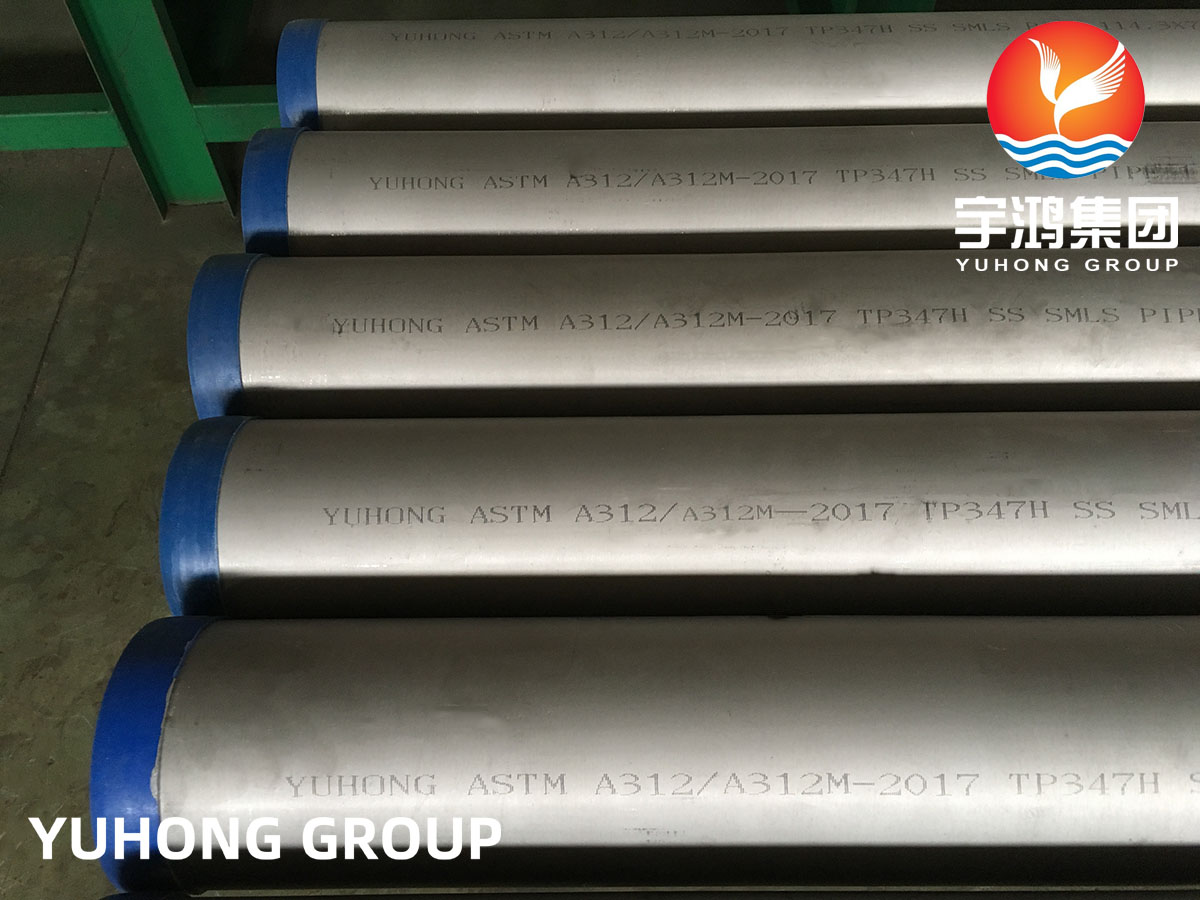
These two elements are very strong carbide formers and can be used in place of low carbon grades to reduce sensitization. Niobium carbide and titanium carbide can improve high temperature strength. 347 and 321 stainless steels containing Nb and Ti are commonly used in boilers and refining equipment to meet high temperature strength and weldability requirements. They are also used in some deoxidation processes as residual elements in high performance austenitic stainless steels.
Sulfur & Phosphorus
The effect of sulfur on stainless steel properties is mixed. The most important beneficial effect is to improve the machinability, and the main harm is to reduce the hot workability, increase the number of manganese sulfide inclusions, and reduce the pitting corrosion resistance of stainless steel. High-performance austenitic stainless steels are inherently difficult to hot work, so the sulfur content should be kept as low as possible, about 0.001%. Typically, sulfur is not added as an alloying element to high-performance austenitic stainless steels. However, the sulfur content of standard grades of stainless steel is often higher (0.005% to 0.017%) in order to increase the weld penetration of self-fusion welding and improve the cutting performance.
Phosphorus is a harmful element that adversely affects the hot workability of forging and hot rolling. It also contributes to thermal cracking during post-weld cooling. Therefore, phosphorus content should be kept to a minimum.