Pure nickel has high strength and plasticity, good ductility and malleability. The melting point is higher, and it has better resistance to high temperature oxidation. The standard electrode potential of nickel is -0.25V (hydrogen standard), which is negative than copper, but more positive than iron, chromium, and aluminum, and belongs to a metal material with relatively high thermodynamic stability. Nickel has a certain passivation ability, and its passivation performance is better than that of iron, but for most corrosive media, the corrosion resistance of nickel depends on its own thermodynamic stability. In general, nickel has good corrosion resistance in non-oxidizing acids, alkali solutions and salt solutions, but has poor corrosion resistance in oxidizing media due to its weak passivation performance.
Nickel is very resistant to corrosion in dry and humid atmospheres, but not SO2-containing atmospheres, especially at high temperatures. Nickel is not resistant to corrosion by sulfur and sulfides. Nickel is quite stable in room temperature, non-oxidizing dilute acids, such as less than 15% hydrochloric acid, less than 70% sulfuric acid and many organic acids, but in the presence of oxidants (FeCl2, CuCl2, HgCl2, AgNO3 and hypochlorite) ) or under air conditions, the corrosion rate increases significantly. Nickel is not resistant to oxidizing acids such as nitric and nitrous acids, and is also unstable in gas-filled acetic and formic acids. Nickel is stable in many organic media, such as fatty acids, alcohols, phenols, etc., at room temperature and high temperature. Nickel is soluble in aerated ammonia solution.
Nickel is stable in caustic (NaOH and KOH) solutions at all concentrations and temperatures, and is the best material for resisting corrosion by concentrated and molten alkalis. Nickel also has good alkali brittle fracture resistance. Therefore, pure nickel is commonly used in the caustic soda industry to make the distillation, storage and refining equipment of alkali, as well as the container for molten alkali, such as the lye evaporation section of some large-scale chlor-alkali plants, processing 27.8%-50% NaOH, 0.1%-8.5% NaCl , Alkali evaporation chamber, liquid tank, axial flow pump, flash tank, first-effect preheater, flash cyclone high-level tank, two-effect hydrocyclone high-level tank, etc. Made of pure nickel material or nickel clad plate.
The chemical stability of nickel is higher than that of iron. Adding copper, molybdenum and other elements to nickel can further improve the thermodynamic stability of nickel, and obtain nickel-copper or nickel-molybdenum alloys with excellent resistance to reducing acid corrosion. Adding passivating elements such as chromium, silicon and aluminum to nickel can improve the oxidation resistance of nickel. Based on this, a series of corrosion-resistant nickel-based alloys have been developed. These alloys have obvious advantages in corrosion resistance compared with stainless steel materials, and the performance of pitting corrosion and stress corrosion cracking is significantly improved, especially in high temperature reduction. No other engineering metal material can replace nickel-based corrosion-resistant alloys in terms of acid corrosion.
2、Nickel-Copper Alloy (Ni-Cu)
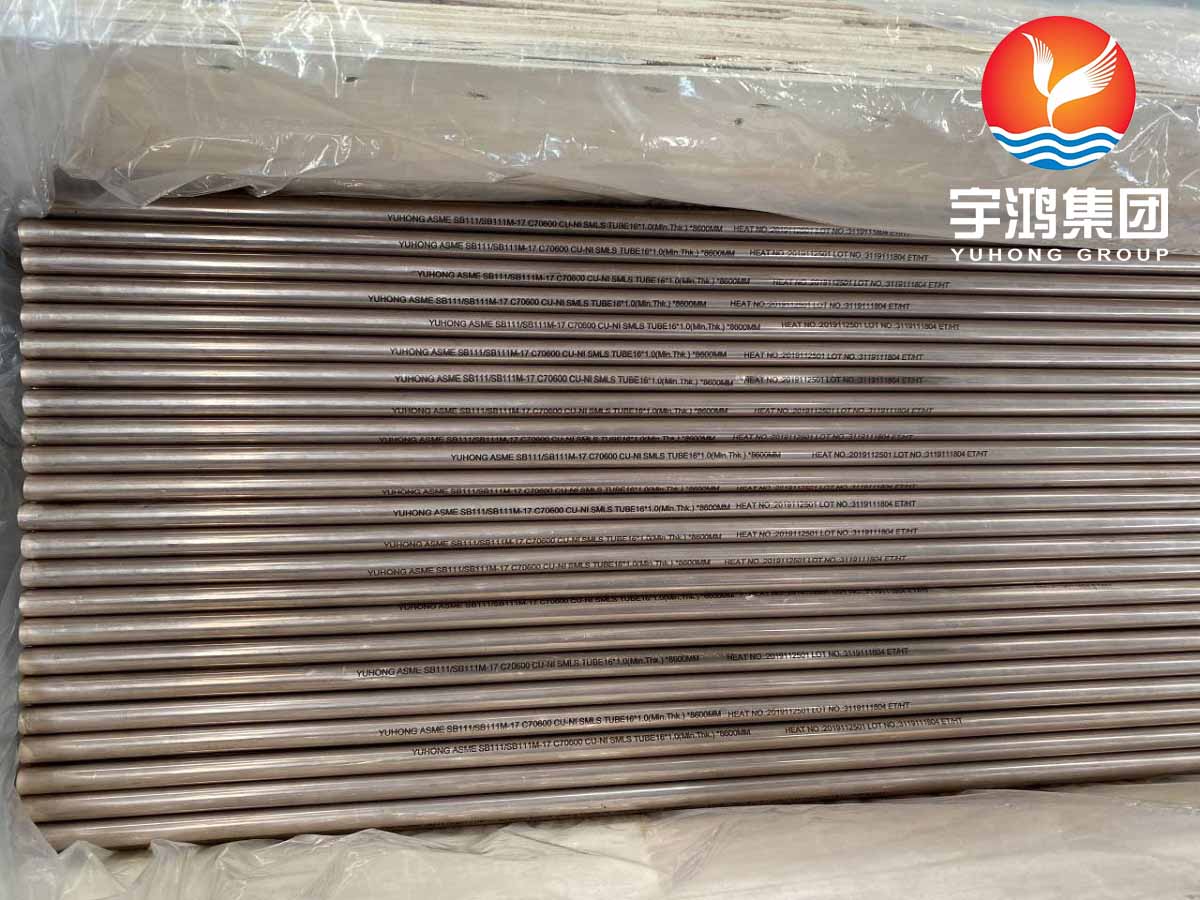
Copper is a metal with high thermodynamic stability. The addition of copper can improve the corrosion resistance of nickel in reducing media, especially in hydrofluoric acid, but reduce the corrosion resistance of nickel. Corrosion resistance in oxidizing media and oxidation resistance in air.
The most commonly used nickel-copper corrosion-resistant alloys contain Cu 28% to 34%. Monel 400 is a corrosion-resistant nickel-copper alloy with the largest amount, the most widely used and the best comprehensive properties. It is mainly composed of 30% Cu, 65% Ni and a small amount of Fe (1%~2%). Single-phase austenite structure.
Monel 400 has good corrosion resistance in reducing acid. It is resistant to corrosion in H2SO4 solution at room temperature (30°C), without air and with a concentration of <85%, and the corrosion rate is less than 0.2mm/a. When the concentration of H2SO4 solution is higher than 85%, and it is oxidizing, the corrosion rate increases sharply, reaching 3~4mm/a. When there is air in the H2SO4 solution, the corrosion rate also increases, and the maximum corrosion rate occurs when the concentration of H2SO4 is 5%. value. Increasing the temperature of H2SO4 will reduce the corrosion resistance of the alloy. At 60℃, 95℃ and H2SO4 without air, the corrosion resistance limit concentration of the alloy is reduced to <65%. In H2SO4 solution at boiling temperature, the corrosion resistance concentration drops to <15%.
According to the different Cr content, nickel-chromium alloys can be roughly divided into four categories: 15% to 25% Cr, 30% to 35% Cr, ~40% Cr and ~50% Cr. In order to further improve the corrosion resistance, strength and corrosion resistance of the alloy, elements such as Fe, Ti, Nb are also added.
Chromium is an easy passivation element. The addition of chromium can increase the passivation performance of the material, the corrosion resistance of the material, especially the resistance to oxidizing acid and oxidizing salt solution, as well as the resistance to oxidation, sulfidation, and V (vanadium) gas. The hot corrosion performance is improved. At the same time increased strength and hardness. However, the Cr content is generally greater than 10% or 20% to produce obvious effects. In the medium of strong oxidizing hot concentrated nitric acid, the Cr content must be as high as 35% to 50% to achieve the effect of corrosion resistance.
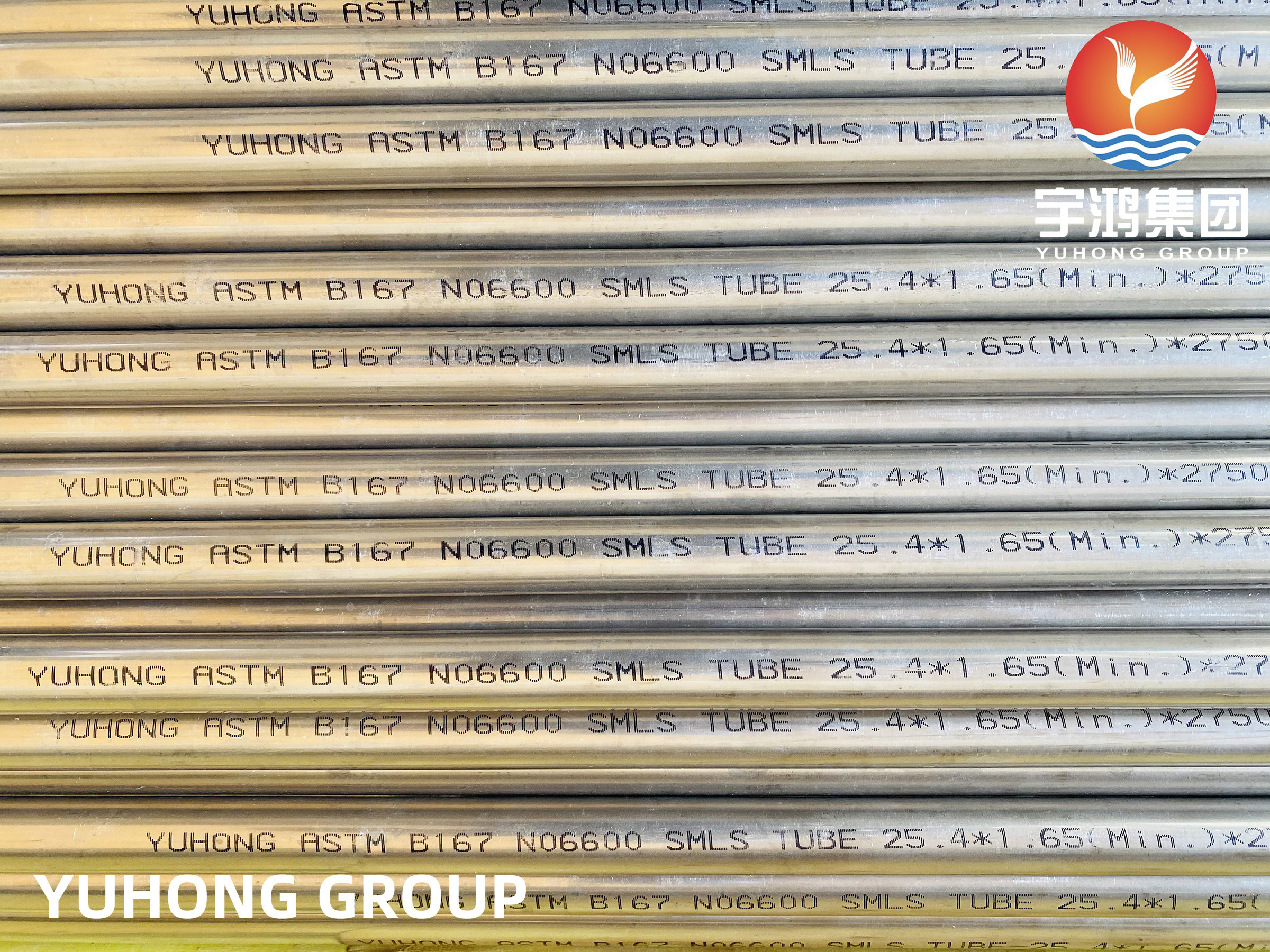
The typical nickel-chromium Inconel 600, has better corrosion resistance in some weak acids, dilute oxidizing and reducing acids. For example, the corrosion rate in room temperature acetic acid is 0.0025~0.1mm/a, and it has good corrosion resistance in the atmosphere, various water media and room temperature seawater, but poor corrosion resistance in strong acid. Inconel 600 is simple in composition and easy to produce. It is the cheapest in nickel-chromium alloys, and is the most used alloy in this series of alloys. The high-chromium-nickel-chromium alloys formed by further increasing the chromium content, such as Inconel 601, have excellent high-temperature oxidation resistance, and still have strong oxidation resistance at 1200 ℃ high temperature.
4、Nickel Molybdenum Alloy(Ni-Mo)
The Nickel-Molybdenum alloy developed in the early stage is 0Mo20Ni60Fe20, and the trade name is Hastelloy A, which is resistant to hydrochloric acid corrosion below 70 °C. Later, alloys such as Hastelloy B, Hastelloy B2 and Corronel 220 with higher corrosion resistance and heat resistance were successively developed.
A typical nickel-molybdenum alloy can be Hastelloy B. Its significant advantage is that it is particularly resistant to corrosion in hydrochloric acid, and it is resistant to corrosion in any concentration of hydrochloric acid at any temperature without air under normal pressure. At present, only Mo, Zr, W, Ta and other metals are more resistant to hydrochloric acid than Ni-Mo alloys. Due to the poor corrosion resistance of Ni-Mo alloy in oxidative media, the corrosion rate of Hastelloy B will increase significantly when there is air in hydrochloric acid. Hastelloy B can resist the corrosion of hydrofluoric acid below 100℃ without air, and the corrosion rate is generally less than 0.150mm/a. In pure phosphoric acid, the corrosion resistance of the alloy without air is also better, and the corrosion rate is less than 0.15mm/a at any concentration and below 120℃. This alloy has good corrosion resistance in acetic acid, glacial acetic acid, or acetic acid containing Chloride.
Hastelloy B has good corrosion resistance in alkaline solution. Under the condition of concentration ≤70% NaOH and temperature ≤120℃, the corrosion rate is only 0.050mm/a. In 165 ℃, 60% and 191 ℃, 70% NaOH solution, the corrosion rate is less than or equal to 0.50mm/a. In high and low temperature neutral and alkaline non-oxidizing salts, the corrosion resistance of Hastelloy B is good, and the corrosion rate not more than 0.1mm/a. However, in oxidizing acid salts, such as ferric chloride, copper chloride, ferric sulfate, copper sulfate, etc., it will be severely corroded. For example, the corrosion rates in 2% CuCl2 and 2% FeCl3 solutions are as high as 3.825 and 5.850 mm/a, respectively.
Hastelloy B has good corrosion resistance in solid solution state, but once welded, there will be serious intergranular corrosion tendency in hydrochloric acid and sulfuric acid. The sensitization temperature zones are: high temperature sensitization zone of 1200~1300℃ and medium temperature sensitization zone of 600~900℃. This intergranular corrosion tendency cannot be prevented even by solution treatment with rapid cooling.
Nickel-Copper and Nickel-Molybdenum alloys have good corrosion resistance in reducing media, but poor corrosion resistance in oxidizing media. On the contrary, Nickel-Chromium alloy has good corrosion resistance in oxidizing medium and poor corrosion resistance in reducing medium. In order to improve the deficiencies of the two, nickel-chromium-molybdenum alloys were developed. The alloy contains a large amount of Cr, Mo and other elements, and has a single-phase austenite structure, which has good corrosion resistance in both oxidizing and reducing media. The Cr content in the nickel-chromium-molybdenum alloy is 7% to 22%, and the Mo content is 2% to 18%. Some alloys also contain W, Co, Ti, Nb and other elements.
A typical nickel-chromium-molybdenum alloy takes Hastelloy C as an example. The corrosion rate of Hastelloy C in natural seawater is ≤0.025mm/a, and no pitting corrosion occurs. Corrosion resistance in any concentration of sulfuric acid solution below 70 °C, the corrosion rate is about 0.1mm/a, and the presence or absence of air in the sulfuric acid solution has little effect on the corrosion resistance. The corrosion resistance of Hastelloy C in hydrochloric acid is lower than that of nickel-molybdenum alloy (Hastelloy B). But at room temperature, in various concentrations of hydrochloric acid, the corrosion rate is not higher than 0.10mm/a. In 65 ℃, various concentrations of hydrochloric acid, the corrosion rate is not less than 0.5mm/a. Oxygenation in hydrochloric acid has no significant effect on corrosion resistance.
The corrosion rate of Hastelloy C in hydrofluoric acid at room temperature does not exceed 0.25mm/a, and the corrosion rate in phosphoric acid below 100°C is lower than 0.05mm/a. At corrosion temperature, 55% H3PO4+ 0.8% HF Under the conditions, the corrosion rate is not more than 0.75mm/a. Therefore, it has excellent corrosion resistance in wet-process phosphoric acid production. Hastelloy C is resistant to corrosion by dry halogen gases other than fluorine gas, such as chlorine, bromine and iodine, and the corrosion rate in dry chlorine gas at 60°C is only 0.0050mm/a. The alloy is one of the few materials that can resist the corrosion of dry and wet chlorine gas, and can be used under the condition of alternate corrosion of dry and wet chlorine gas. Hastelloy C is resistant to high temperature HF gas corrosion. The corrosion rate in HF gas below 550℃ is 0.04mm/a, and at 750℃, the corrosion rate is 0.16mm/a, so it can be used in HF gas of ≤750℃, and in the presence of oxygen in HF gas No significant effect on corrosion rate.
Hastelloy C-276, in which the C content does not exceed 0.02%, the Si content does not exceed 0.08%, the precipitation of carbides and intermetallic phases is reduced, and intergranular corrosion resistance ability to improve. On this basis, further reducing C% and Fe%, removing W and adding the stable carbide element Ti can further improve the performance of intergranular corrosion resistance, thus forming Hastelloy C-4. Both of these alloys are high-grade nickel-based corrosion-resistant alloys with excellent comprehensive corrosion resistance.
Nickel-based corrosion-resistant alloys are mainly composed of scarce alloying elements such as Ni, Cr, Mo, and Cu, which are expensive and limit their application range. However, in the high temperature and strong corrosion environment, especially in the high temperature non-oxidizing acid corrosion environment, the nickel-based corrosion-resistant alloy still has a position that cannot be replaced by other materials.