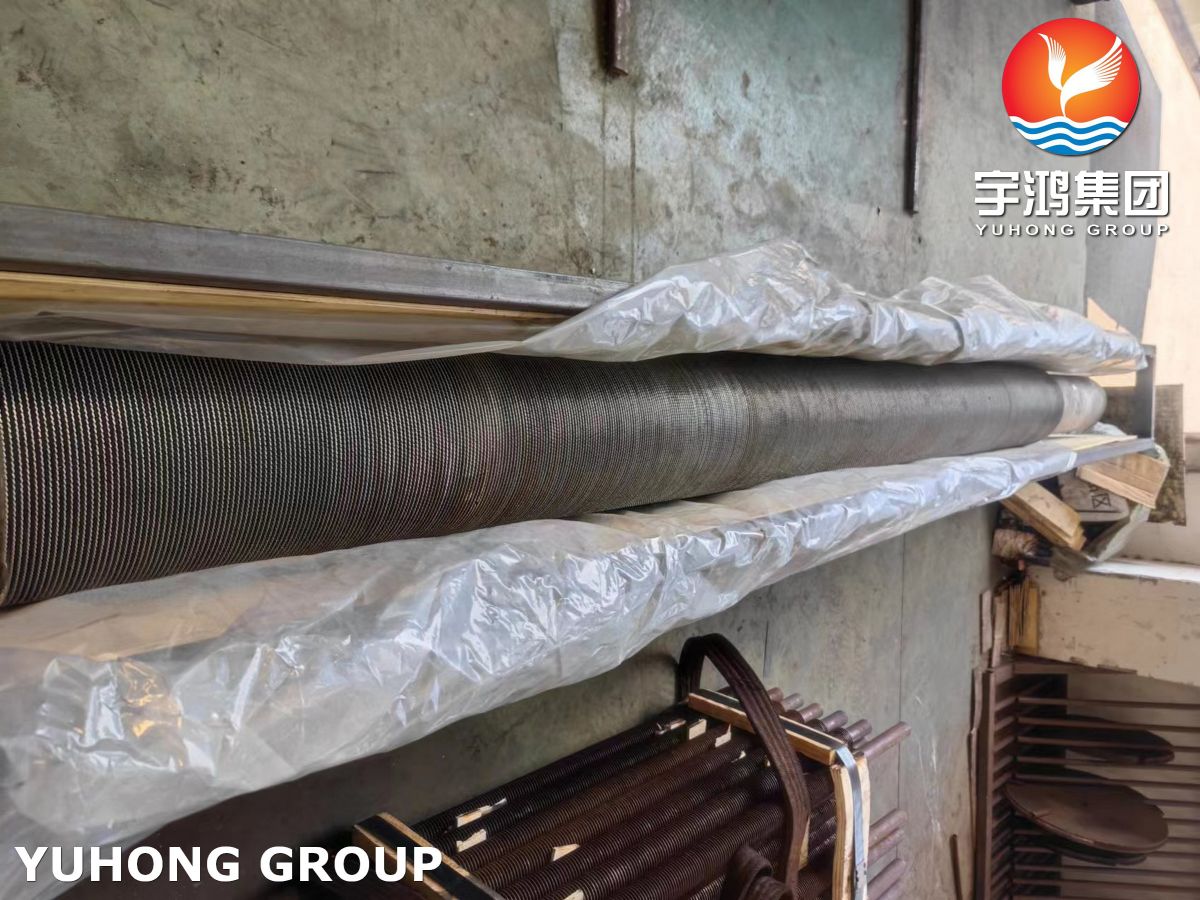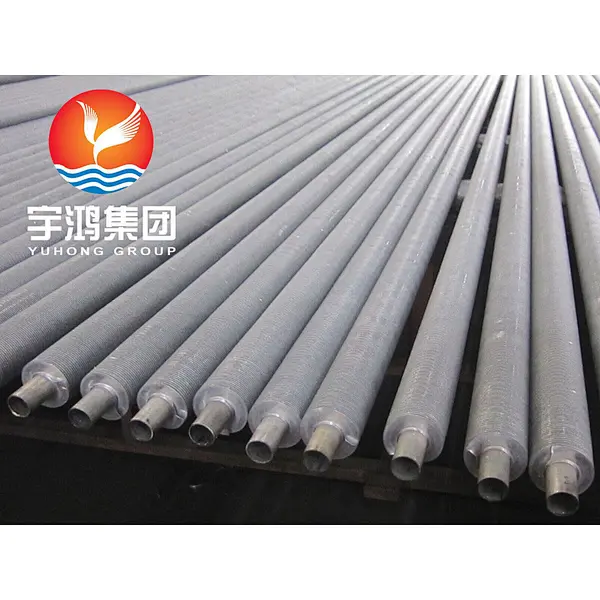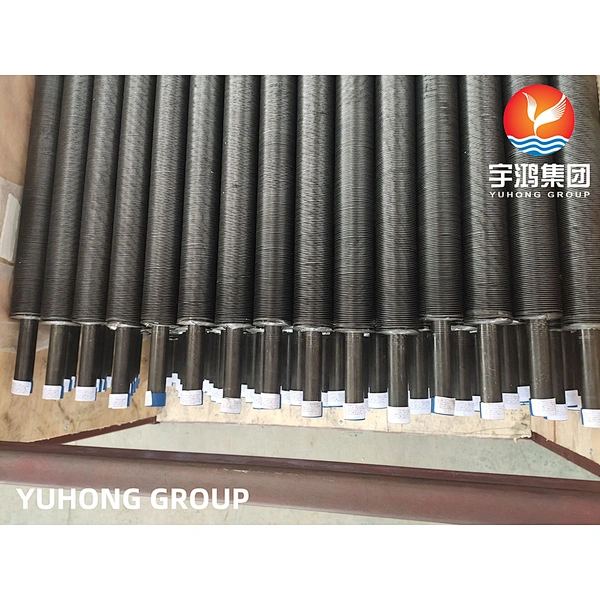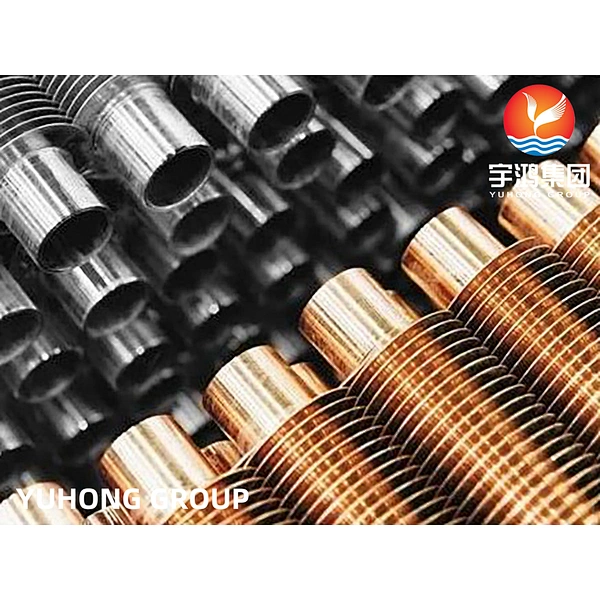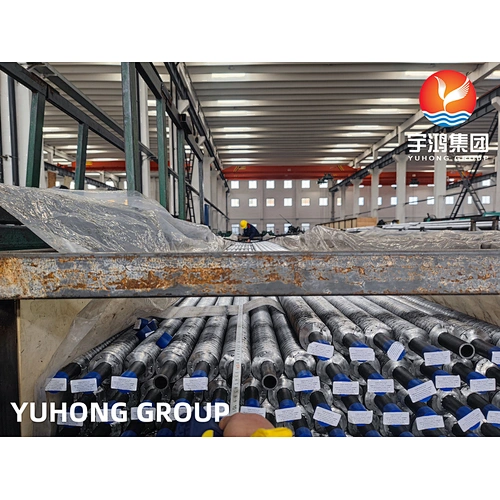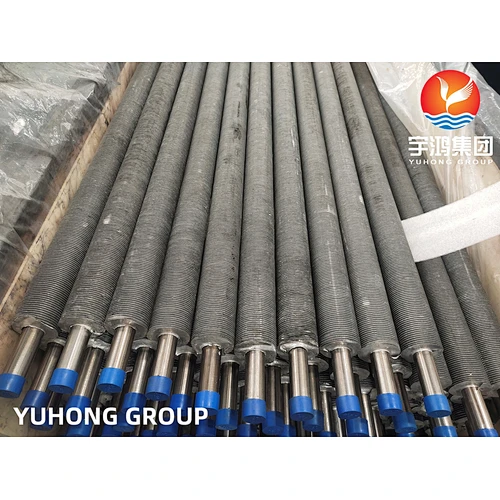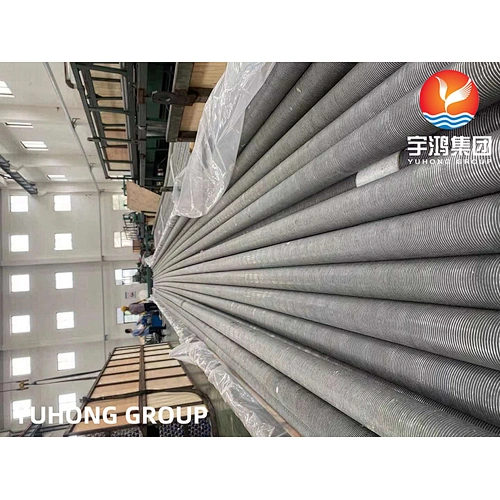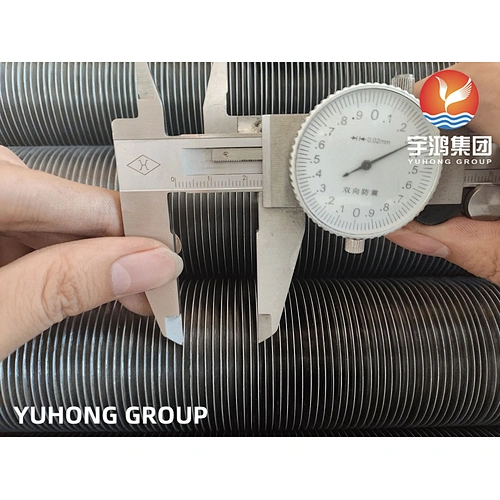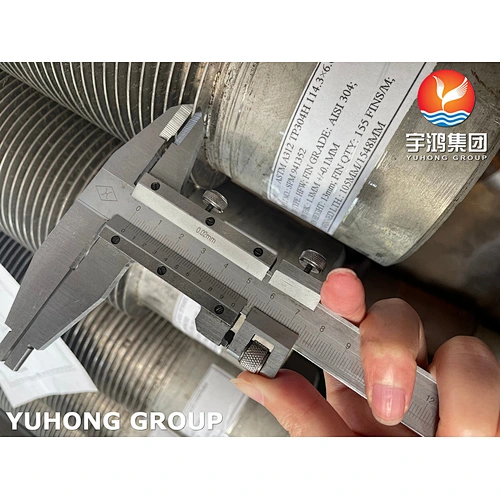


It's important to note that while serrated fin tubes offer advantages in terms of heat transfer efficiency, they may also introduce slightly higher pressure drops due to the increased turbulence. Therefore, their application should be carefully considered based on the specific needs of the heat exchange process.
In summary, serrated fin tubes are specialized heat exchange components designed to enhance heat transfer efficiency in industrial applications. Their unique design, featuring notched fins, creates turbulence that improves heat exchange rates and reduces fouling, making them a valuable choice in various industries requiring effective heat transfer solutions.
| Grade | C | Ni | Si | N | S | Mn | P | Cr | Mo | |
| SS 347 | min. | - | 9.00 | - | - | - | - | - | 17.0 | 2.00 |
| max. | 0.08 | 13.00 | 1.00 | - | 0.030 | 2.00 | 0.045 | 20.0 | 3.00 | |
| Grade | Tensile Strength (MPa) min | Elongation (% in 50mm) min | Yield Strength 0.2% Proof (MPa) min | Hardness | |
| Rockwell B (HR B) max | Brinell (HB) max | ||||
| SS347 | 515 | 40 | 205 | 92 | 201 |
2. Reduced Fouling: The turbulence generated by the serrations helps prevent the buildup of deposits and fouling on the fin surfaces. This is particularly advantageous in applications with fluids prone to fouling, as it reduces maintenance requirements.
3. Compact Design: Serrated fin tubes can offer higher heat transfer performance within a relatively compact space, making them suitable for applications with space limitations.
4. Increased Surface Area: The fins on the tubes significantly increase the surface area available for heat exchange, allowing for more efficient heat transfer even in applications with low temperature differences between the fluids.
5. Versatility: Serrated fin tubes find applications in various industries, including power generation, petrochemicals, refineries, HVAC systems, and more.
6. Customizable Configurations: These tubes can be manufactured with different fin heights, fin densities, and materials, allowing for customization based on specific heat exchange requirements.
7. Resistance to Thermal Stress: The serrated design helps distribute thermal stress more evenly across the fin surface, reducing the risk of thermal fatigue and improving the longevity of the tubes.