Overview: Hygienic and Corrosion-Safe Piping for Marine Domestic Water Circuits
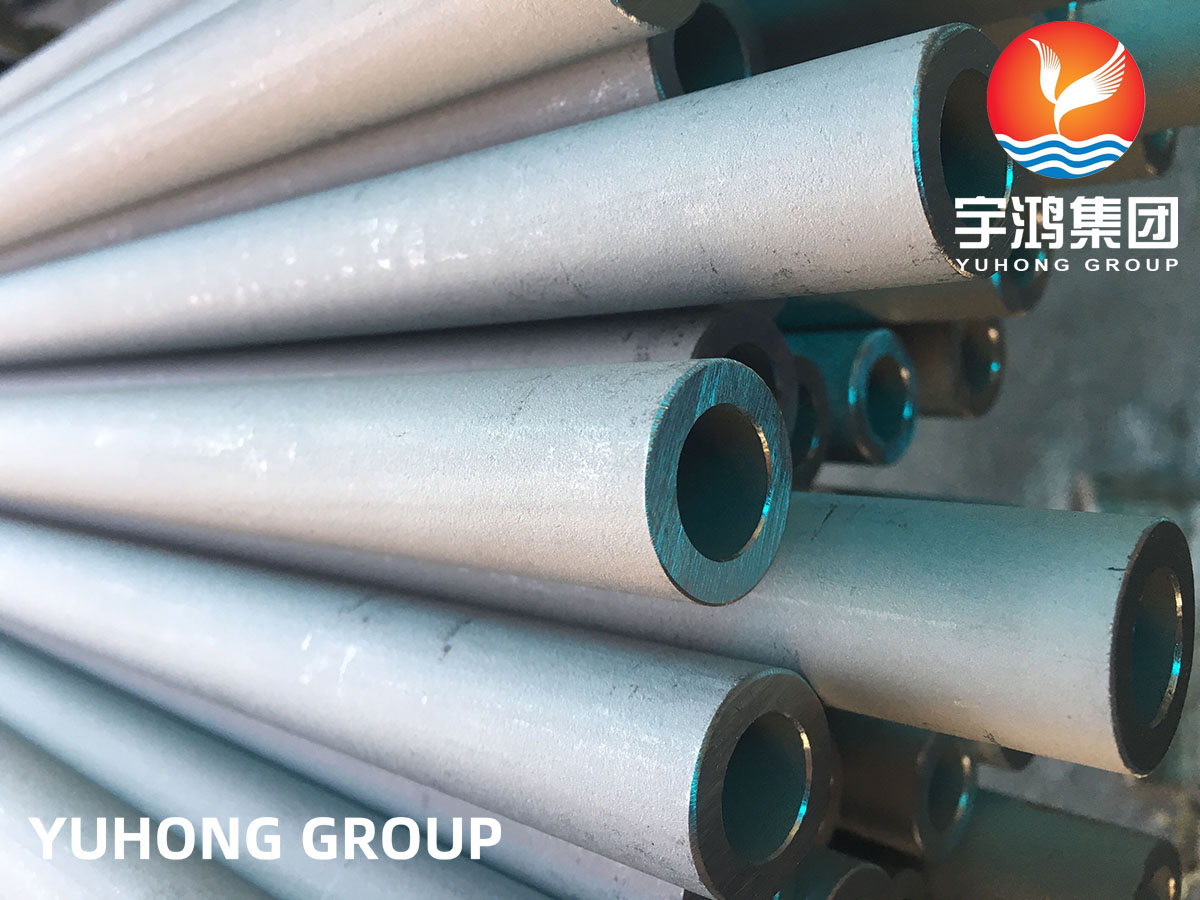
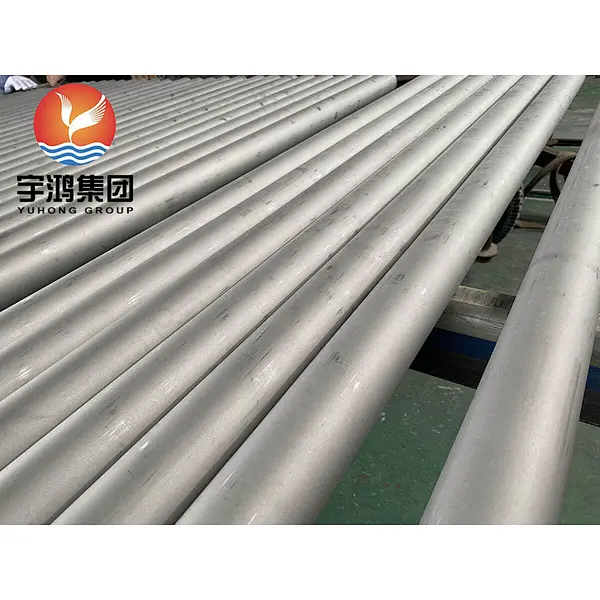
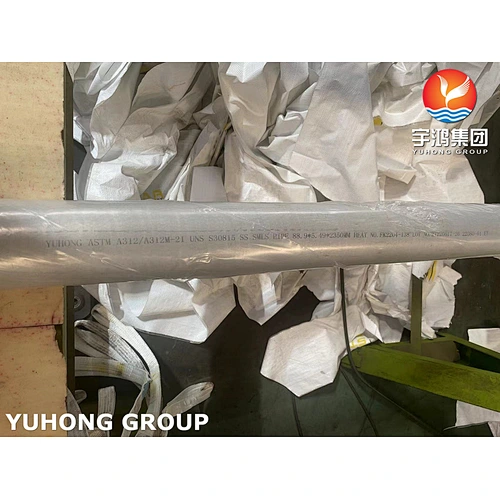
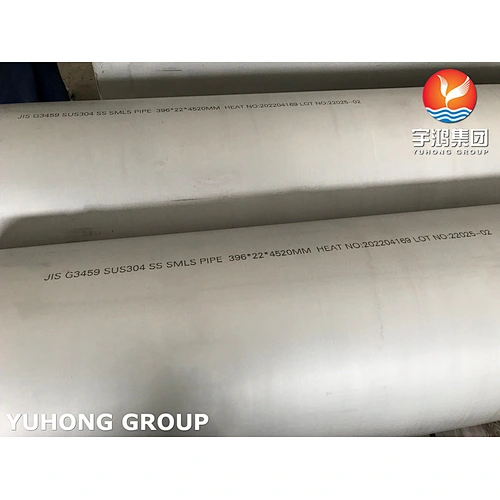
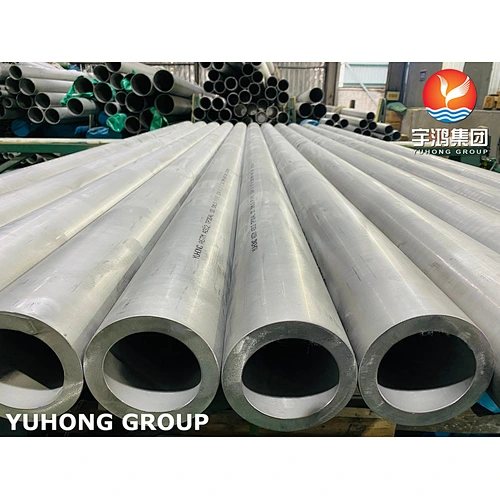
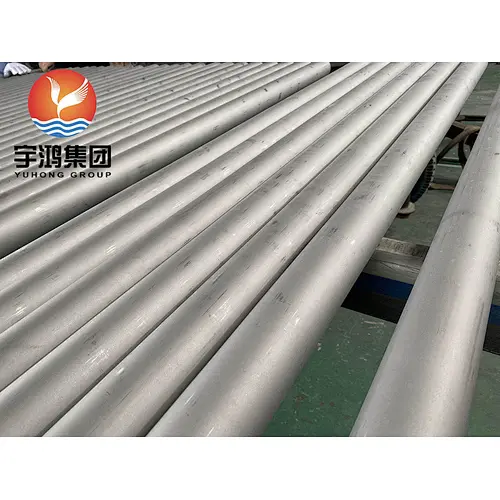
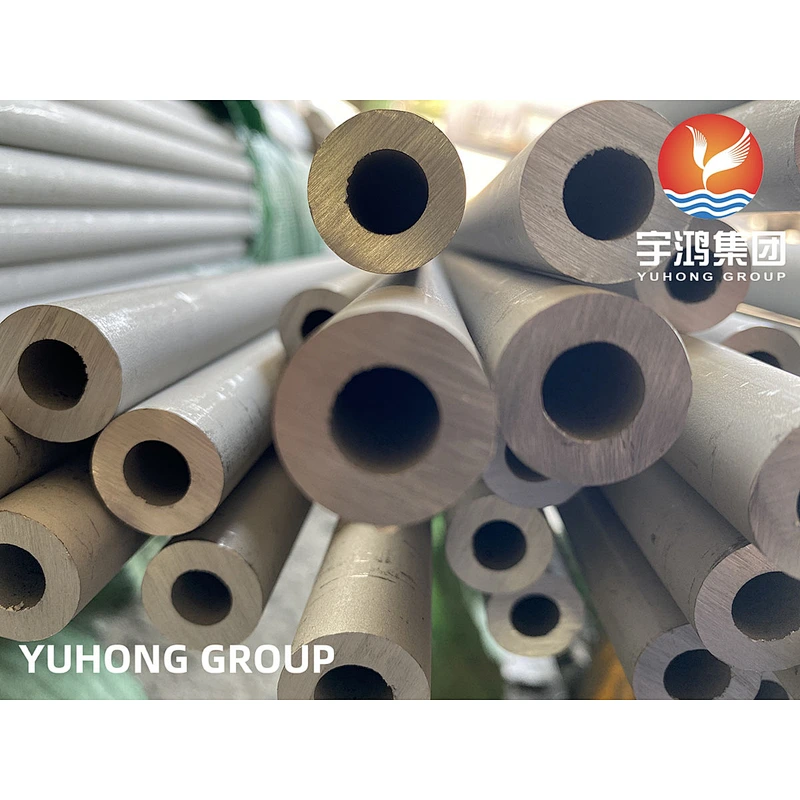
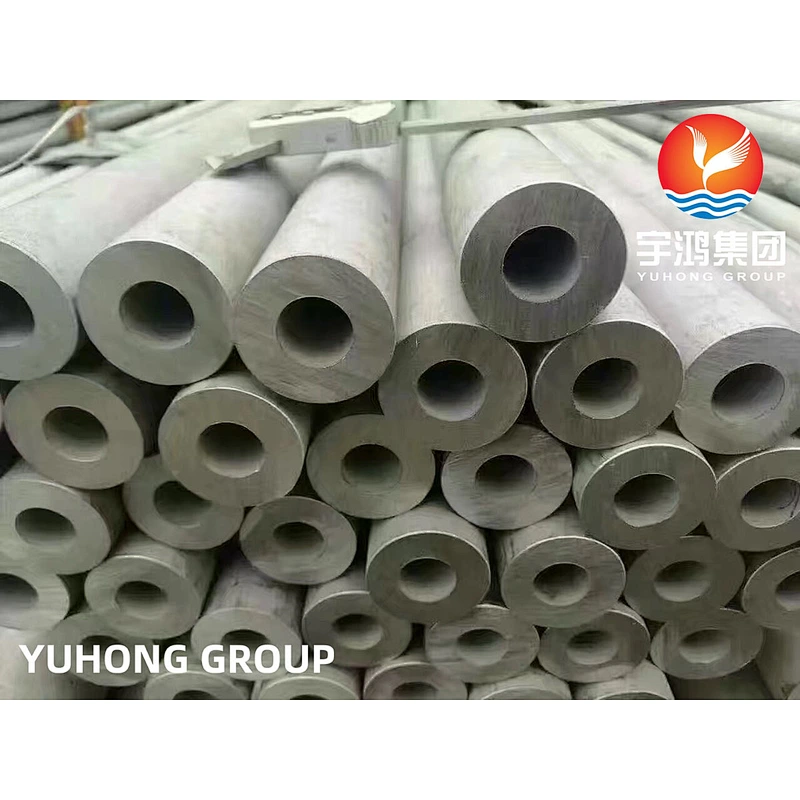
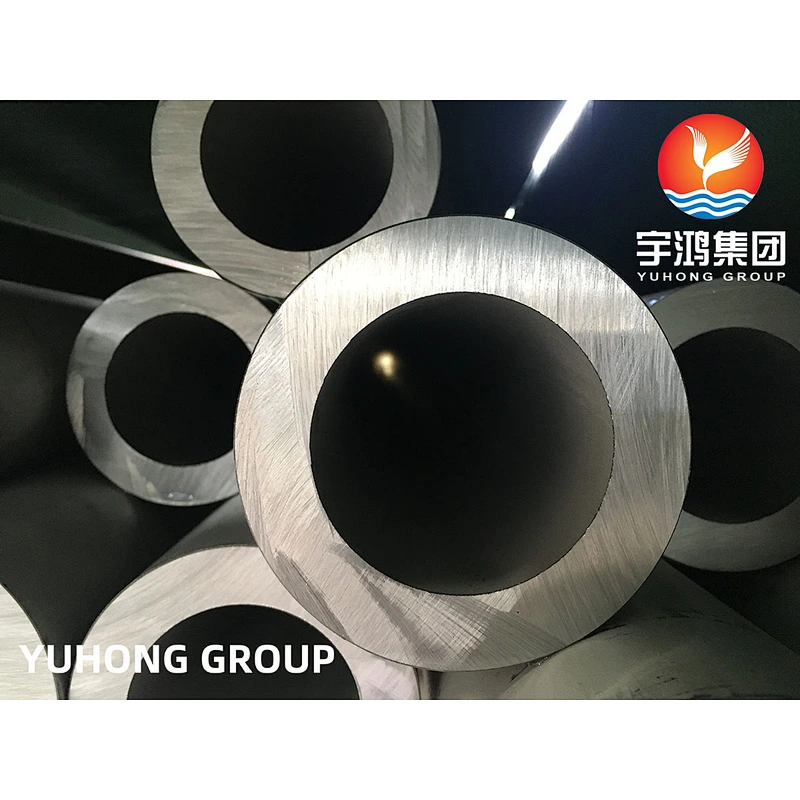
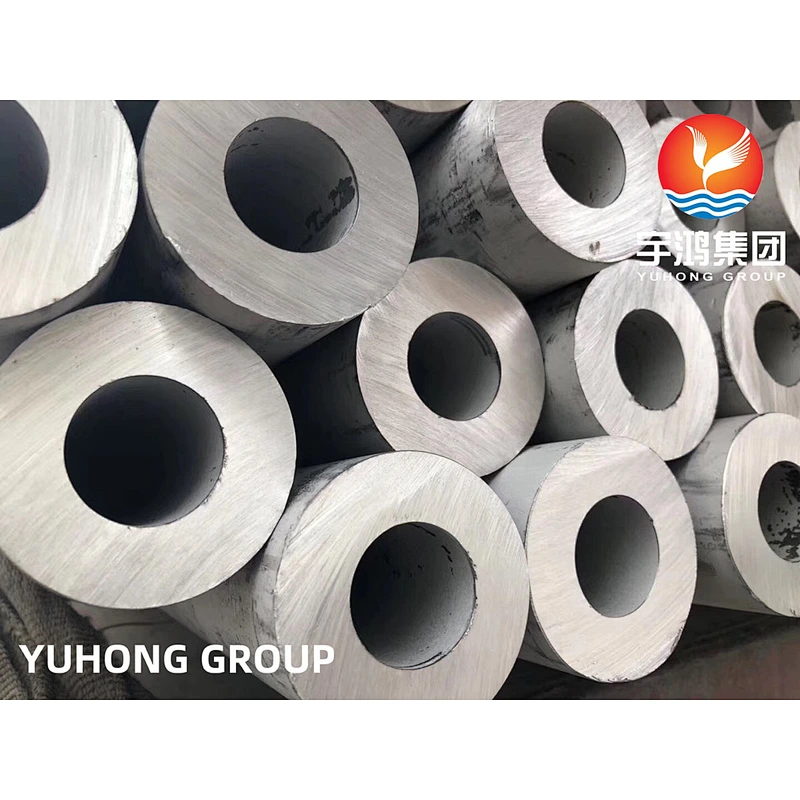
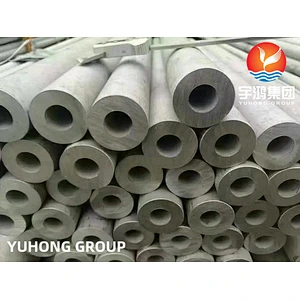
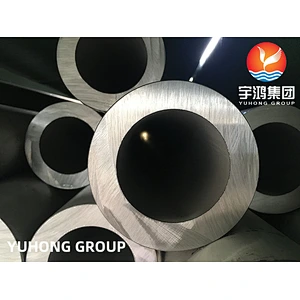
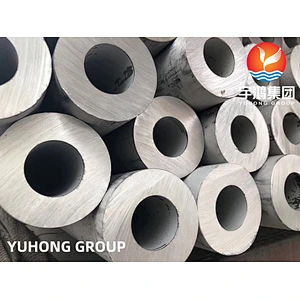
ASTM A312 TP316L / TP304 Heavy Wall Thickness Stainless Steel Seamless Pipe is the specified material for ship engine room technical fresh water, potable drinking water, and hot water circulation circuits. Manufactured to ASTM A312 / ASME SA312, these low-carbon austenitic grades are selected not merely for pressure containment, but for weld-zone corrosion resistance and compliance with marine potable water hygiene standards.
In vessel domestic water systems, the critical failure mode is not uniform wall loss—it is localized pitting at weld heat-affected zones (HAZ) and microbiologically influenced corrosion (MIC) in stagnant sections. Standard carbon steel requires internal coatings that degrade over time; copper alloys can release copper ions exceeding potable water limits. TP316L and TP304L, with carbon content capped at 0.03%, resist chromium carbide precipitation during multi-pass welding, maintaining passive film integrity at joints. Heavy-wall scheduling (SCH 80 or above) provides additional structural margin for engine room vibration and pressure surges, while ensuring sufficient wall thickness for thread cutting and socket welding without compromising the pressure boundary. For shipyards and ship management companies, specifying heavy-wall A312 low-carbon pipe is the most direct path to Class compliance and long-term potable water safety.
Technical note on TP309: This grade is not recommended for fresh or drinking water service. Its high chromium (22-24%) and nickel (12-15%) content is designed for elevated-temperature oxidation resistance (up to 1038°C) . In ambient-temperature water circuits, TP309 offers no corrosion advantage over TP316L and represents unnecessary cost. This article focuses on TP316L and TP304/L, the appropriate grades for this application.
Application & Compliance: Where It Is Used and What Problems It Solves
1. Engine Room Technical Fresh Water Circuits
Working Scenario: Supply lines to WC flushing, washing machines, diesel engine fresh cooling water make-up, and cleaning stations . The pipe interior may experience intermittent flow and periods of stagnation during port stays.
What it solves: TP316L’s molybdenum content (2-3%) provides chloride pitting resistance superior to TP304, extending service life in circuits where water chemistry is not tightly controlled. The low-carbon chemistry prevents sensitization at welded branch connections, which are the primary pitting initiation sites in stainless water piping .
2. Potable Drinking Water Systems (Cold & Hot)
Working Scenario: Pressurized supply from the drinking water tank to accommodation taps, showers, water coolers, and galleys . Hot water circuits operate as closed loops with circulation pumps and calorifiers.
What it solves: Hygiene compliance. Classification society rules require that materials in fresh water systems for crew use “do not provide a habitat for bacteria” and “do not leach out toxic constituents” . Austenitic stainless steel with a smooth, pickled interior surface meets this requirement. TP316L is preferred over TP304 in hot water circuits where chloride concentration and elevated temperature combine to increase pitting risk.
3. Why Heavy Wall for Domestic Water?
Domestic water systems are not high-pressure circuits. The heavy-wall specification serves three practical purposes in marine construction:
Threading allowance: Engine room pipe runs frequently require threaded connections at valves and fittings. Heavy wall provides sufficient material for thread cutting without reducing the pressure boundary below minimum thickness.
Vibration and surge margin: Engine room piping is subject to pump-induced vibration and water hammer. Additional wall thickness reduces fatigue risk at support points and welded joints.
Corrosion allowance: While stainless steel does not require a corrosion allowance in the traditional sense, heavy wall extends service life in systems where water chemistry may occasionally deviate from specification (e.g., chloride excursions during bunkering or tank cleaning).
4. TP316L vs. TP304/L: Selection Guidance
| Grade | Chloride Resistance | Potable Water Suitability | Recommended Application |
|---|---|---|---|
| TP316L | Superior (Mo-bearing) | Preferred | Hot water circuits, all potable lines, systems with variable water chemistry |
| TP304L | Adequate for low-chloride fresh water | Acceptable | Cold technical fresh water, WC supply, non-potable engine room services |
| TP309 | Not applicable | Not recommended | High-temperature furnace/heat-treatment applications only |
Technical Specifications & Material Data
1. Dimensional & Mechanical Properties
| Parameter | Specification (ASTM A312) |
|---|---|
| Grades | TP316L (UNS S31603) / TP304L (UNS S30403) |
| Outer Diameter (OD) | 1/2"to 12"(21.3mm to 323.8mm) |
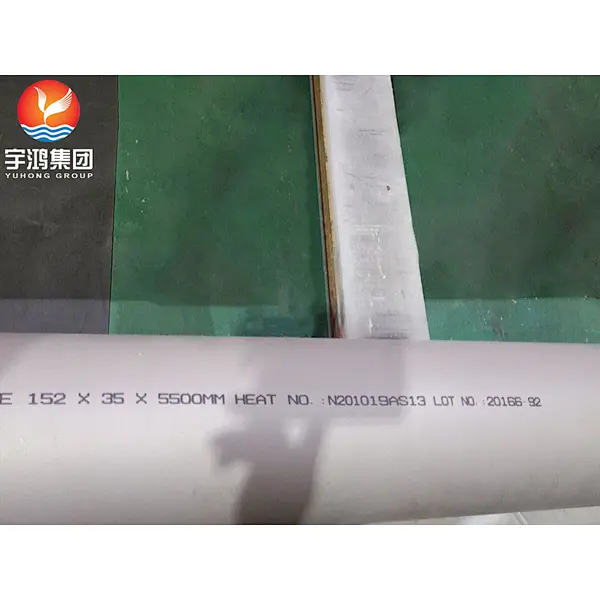
| Wall Thickness | SCH 80 / SCH 160 / Custom heavy wall |
| Tensile Strength | Min. 485 MPa (316L); Min. 485 MPa (304L) |
| Yield Strength | Min. 170 MPa (316L); Min. 170 MPa (304L) |
| Elongation | Min. 35% |
| Manufacturing | Seamless (preferred for potable water integrity) |
| Surface Condition | Pickled & Passivated (internal cleanliness for potable service) |
2. Chemical Composition (Critical for Weld Corrosion Resistance)
| Element | TP316L (max/range) | TP304L (max/range) |
|---|---|---|
| Carbon (C) | 0.03 max | 0.03 max |
| Chromium (Cr) | 16.0 – 18.0 | 18.0 – 20.0 |
| Nickel (Ni) | 10.0 – 14.0 | 8.0 – 12.0 |
| Molybdenum (Mo) | 2.0 – 3.0 | — |
| Purpose of “L” grade | Prevents HAZ sensitization during multi-pass welding | Same |
QA/QC & Certifications: Proof for Marine Classification
100% Eddy Current Testing: Per ASTM A450/A530, ensuring wall thickness uniformity and absence of internal defects.
Hydrostatic Testing: Each pipe tested to standard requirements; test certificates provided.
Material Test Certificates: EN 10204 3.1 MTC standard. 3.2 certificates (witnessed by Class Surveyor) available for DNV, ABS, LR, BV, CCS, or NK projects.
Potable Water Compliance Documentation: Surface condition certification (pickled/passivated, no oil or grease contamination) suitable for drinking water service.
Intergranular Corrosion Test: Available upon request for TP316L/304L to verify HAZ corrosion resistance (per ASTM A262 Practice E).
Installation & Maintenance Guide (For Shipyards)
Welding: Use ER316L or ER308L filler metal. Purge the pipe bore with argon during root pass to prevent heat tint (oxide discoloration) on the interior surface. Heat tint is a primary initiation site for pitting in potable water service .
Passivation: After welding, clean and passivate weld zones and heat-affected areas to restore the chromium oxide passive film. Citric acid or nitric acid passivation per ASTM A380 is recommended.
Avoid Stagnation: Design the system to minimize dead legs. During extended port stays, flush drinking water lines periodically to prevent bacterial proliferation and chloride concentration.
Threading: For threaded connections, use a suitable thread sealant approved for potable water. Do not use oil-based compounds.
B2B Purchasing Terms & Commercial Conditions
MOQ (Minimum Order Quantity): 1 Ton per size. For vessel repair or small newbuild projects, cut-to-length quantities can be negotiated from mill stock.
FOB Lead Time:
Standard sizes (SCH 80) in stock: 10–15 days.
Custom heavy-wall production: 25–35 days after deposit.
Payment Terms: 30% T/T advance, 70% against copy B/L. L/C at sight acceptable for shipyard contracts.
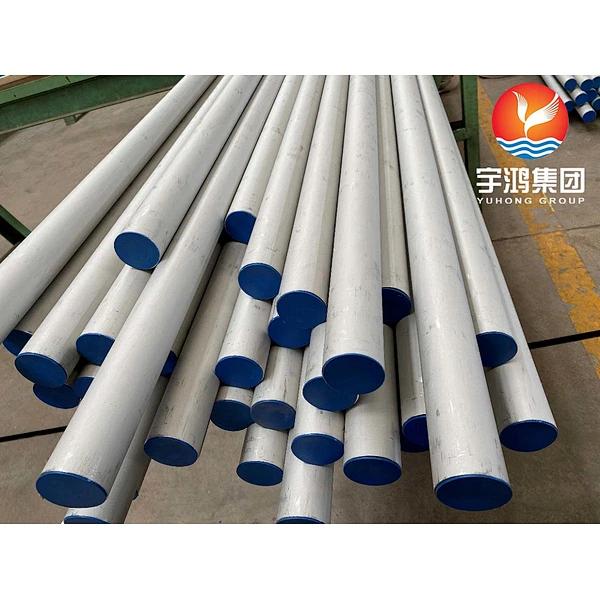
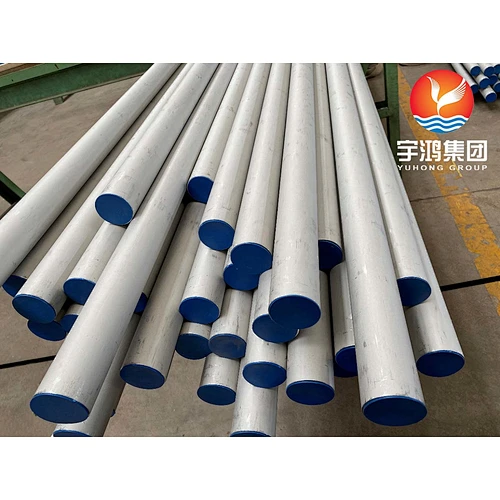
Packaging: Plastic end-caps, VCI anti-rust wrapping, seaworthy wooden cases with steel strapping. Internal cleanliness preserved for potable water service.
Documentation: MTC (3.1 or 3.2), NDT reports, hydrostatic certificates, and surface cleanliness declaration included.
FAQ
Q1: Can TP309 be used for drinking water piping?
A: No. TP309 is a high-temperature oxidation-resistant alloy. It offers no corrosion advantage in ambient water circuits and is significantly more expensive than TP316L. It should not be specified for fresh or drinking water service.
Q2: Is TP304L acceptable for potable water, or must we use TP316L?
A: TP304L is acceptable for cold fresh water with low chloride content. However, for hot water circuits and systems where water chemistry may fluctuate (e.g., during extended voyages with variable bunkering water quality), TP316L is the safer specification and is increasingly the shipyard standard for all potable lines.
Q3: Why specify heavy wall for low-pressure domestic water?
A: Heavy wall provides material for threading, vibration fatigue margin, and extended service life where water chemistry may occasionally deviate. It is a practical durability specification for engine room environments.
Q4: What documents are required for Class approval of potable water piping?
A: MTC (3.1 or 3.2), hydrostatic test certificate, and a declaration of surface cleanliness suitable for potable water. Some Class societies may also request intergranular corrosion test results for the welded joints.