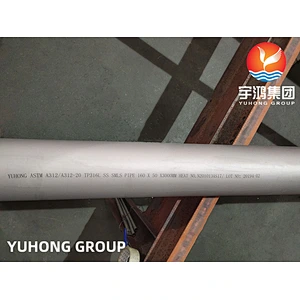
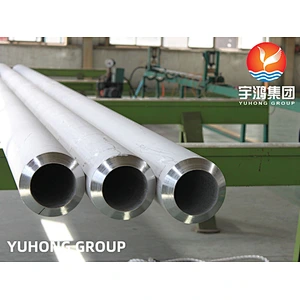
Overview: The Structural Backbone for High-Velocity Marine Cooling Circuits
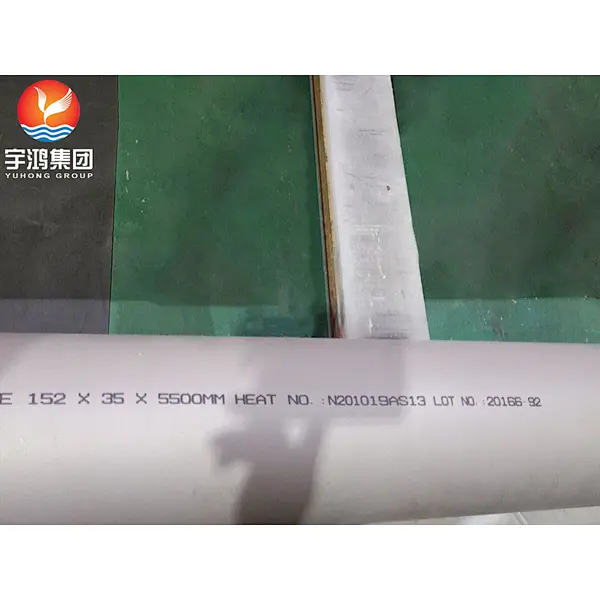
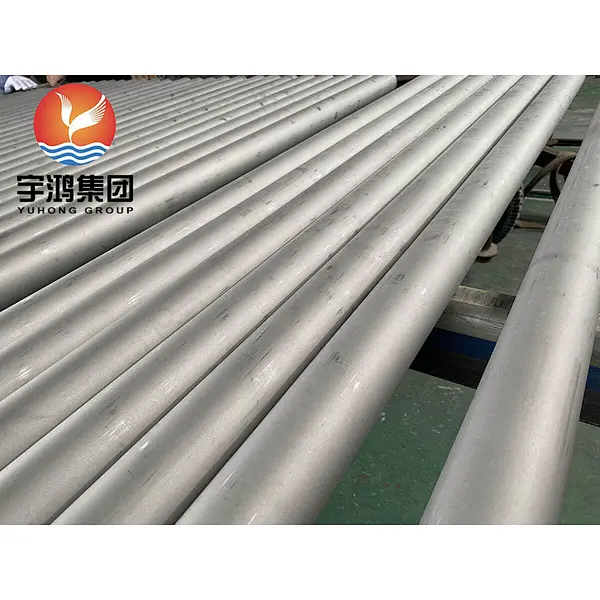
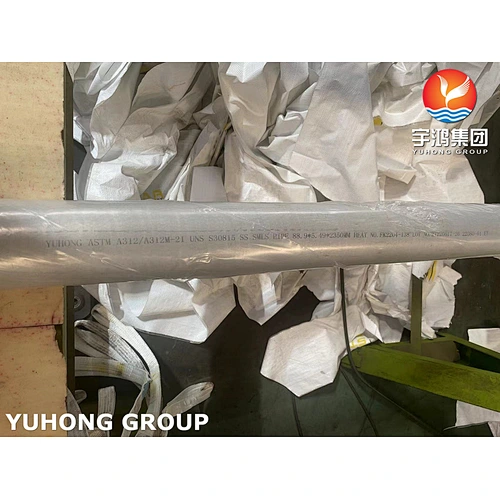
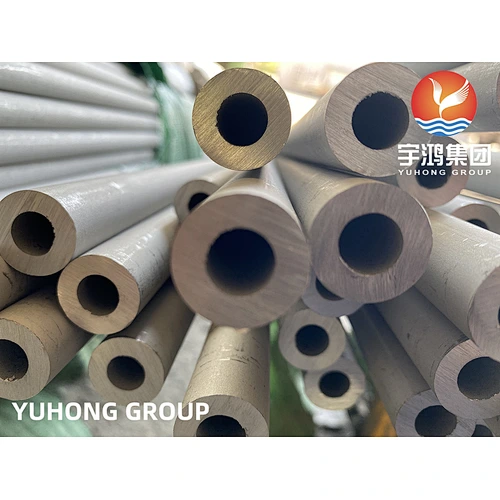
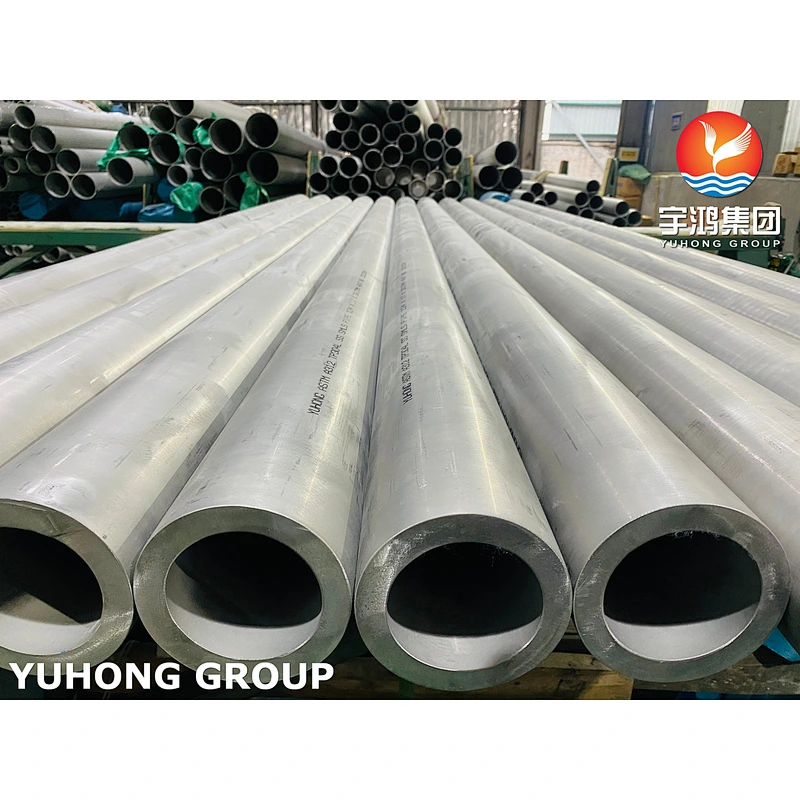
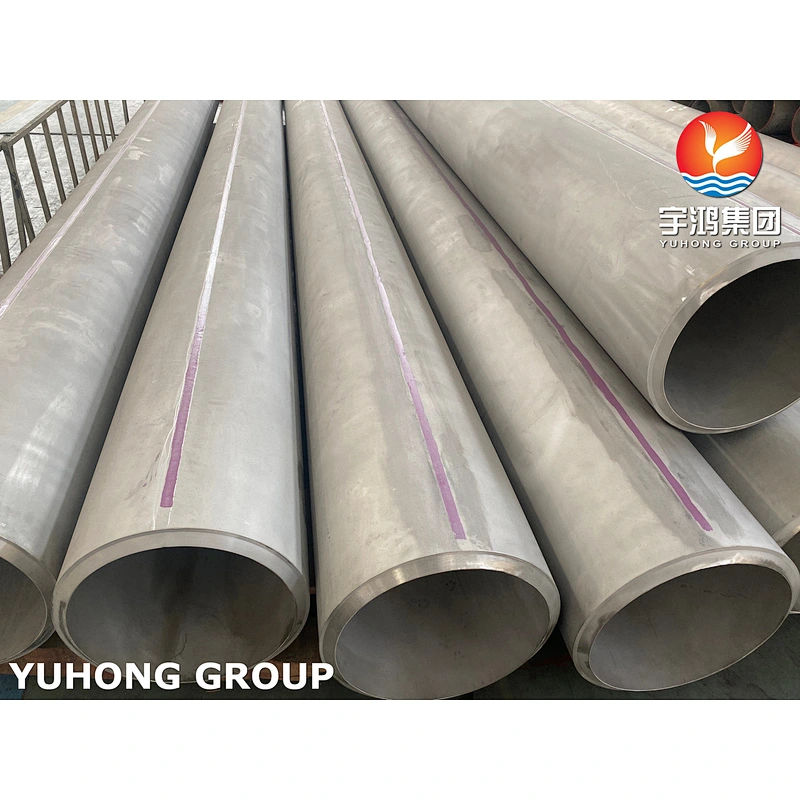
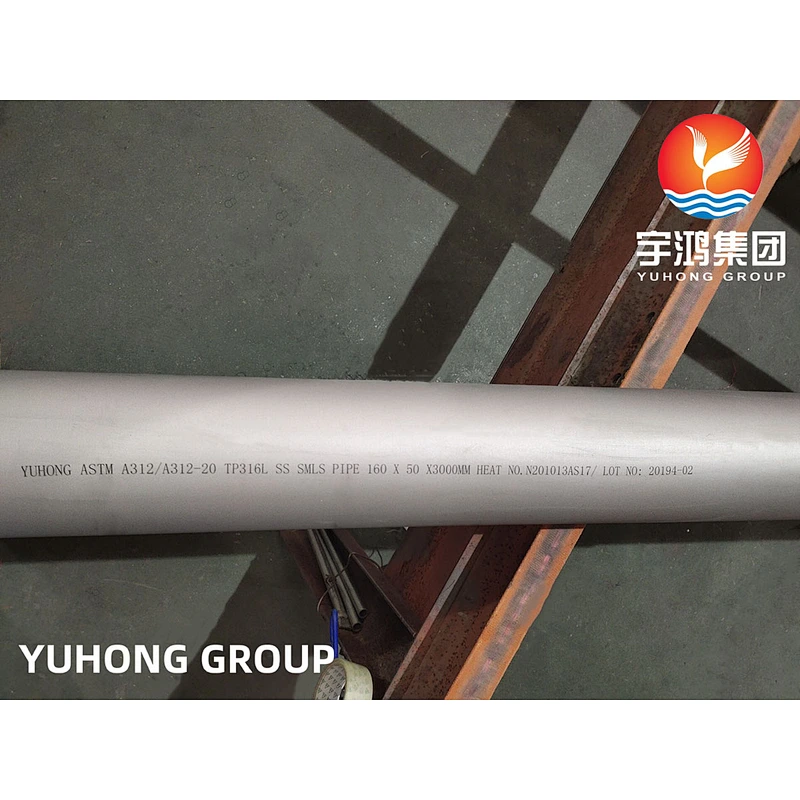
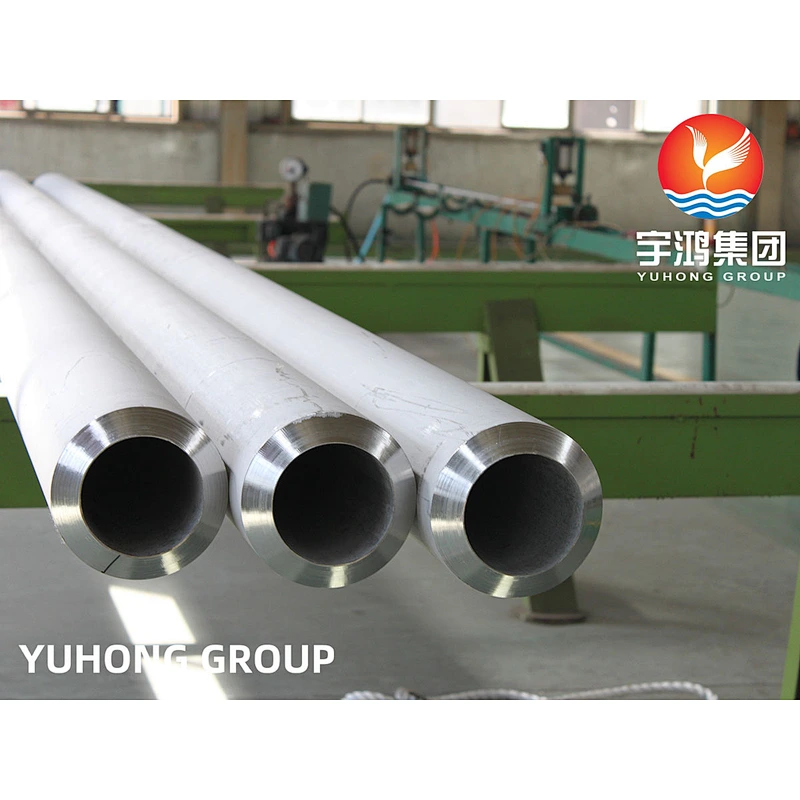
ASTM A312 TP316L / TP304L Heavy Wall Thickness Stainless Steel Pipe is a premium-grade austenitic seamless (or heavily welded) pipe engineered specifically for the most demanding high-pressure and high-erosion environments. Manufactured strictly in accordance with ASTM A312 / ASME SA312 standards, these heavy-wall (Schedule 80, 160, or custom XXS) pipes are the structural backbone of marine seawater cooling systems.
In shipbuilding and offshore engineering, seawater cooling lines face a dual threat: internal erosion from high-velocity seawater (often carrying suspended sand) and external mechanical impact. While standard-schedule stainless steel pipes may suffer from wall thinning or structural failure under these conditions, our heavy-wall TP316L and TP304L pipes provide an uncompromised safety margin. By utilizing a low-carbon chemistry (C ≤ 0.03%) combined with a substantial wall thickness, these pipes solve critical operational challenges: they eliminate the risk of catastrophic pipeline bursts, resist localized mechanical damage, and significantly extend the dry-docking maintenance intervals. For shipyards, marine EPC contractors, and ship management companies, specifying heavy-wall A312 pipe is the most reliable way to ensure an uninterrupted, leak-free cooling circuit for the vessel's entire lifespan.
Application & Compliance: Where It is Used and What Problems It Solves
In marine seawater cooling systems, pipe failures lead to catastrophic engine room flooding or loss of propulsion. Heavy-wall A312 pipes are deployed in specific high-risk segments of the cooling circuit.
1. High-Velocity Main Seawater Trunk Lines (Pump Discharge)
Working Scenario: Located immediately downstream of the main sea water (MSW) cooling pumps. The pipes are subjected to high turbulence, pressure surges, and high-velocity water flow (often > 3.0 m/s).
What it solves: The extra wall thickness acts as a sacrificial erosion margin. It prevents the pipe from thinning out rapidly due to cavitation and impingement, ensuring the structural integrity of the main cooling trunk remains intact under continuous pump pressure.
2. Sand-Laden or Debris-Heavy Seawater Circuits
Working Scenario: Vessels operating in shallow coastal waters, estuaries, or dredging zones where the cooling water contains high levels of suspended abrasive solids (sand, silt).
What it solves: Abrasive wear resistance. The heavy wall drastically increases the time required for suspended solids to wear through the pipe wall, drastically reducing the risk of pinhole leaks in the cooling system.
3. Valve Manifolds and Bends (High Turbulence Zones)
Working Scenario: Elbows, tees, and areas around valves and throttling orifices where flow velocity accelerates and turbulence creates severe localized erosion-corrosion.
What it solves: Provides the necessary mechanical strength and pressure rating to withstand water hammer effects (pressure surges caused by rapid valve closure) while offering enough thickness for customized thread cutting or socket welding without compromising the pressure boundary.
4. TP316L vs. TP304L in Seawater Applications
TP316L (Molybdenum-bearing): Recommended for main seawater lines. The addition of 2-3% Mo significantly improves resistance to chloride pitting and crevice corrosion in flowing seawater. (Note: 316L is not recommended for stagnant seawater, as it is highly susceptible to crevice corrosion).
TP304L: Generally restricted to freshwater cooling circuits or extremely mild marine atmospheres. It is not recommended for direct raw seawater exposure due to severe chloride pitting risks.
Technical Specifications & Material Comparison
We supply heavy-wall pipes in standard SCH schedules (SCH 40, 80, 160) or custom heavy-wall dimensions to match your exact pressure requirements.
1. Dimensional & Mechanical Properties
| Parameter | Standard Specification (ASTM A312) |
|---|---|
| Grades | TP316L (UNS S31603) / TP304L (UNS S30403) |
| Outer Diameter (OD) | 1/2"to 24"(21.3mm to 610mm) |
| Wall Thickness (WT) | SCH 80, SCH 160, XXS, or Custom (e.g., 10mm - 30mm+) |
| Tensile Strength | Min. 485 MPa (70 ksi) for 316L |
| Yield Strength | Min. 170 MPa (25 ksi) for 316L |
| Elongation | Min. 35% |
| Max Operating Temp | Up to 800°C (1472°F) |
| Manufacturing Type | Seamless or Heavy-wall Welded (100% RT/UT) |
2. Chemical Composition (%)
| Element | C (Max) | Mn (Max) | P (Max) | S (Max) | Si (Max) | Cr | Ni | Mo |
|---|---|---|---|---|---|---|---|---|
| TP304L | 0.03 | 2.0 | 0.045 | 0.030 | 1.0 | 18.0-20.0 | 8.0-12.0 | - |
| TP316L | 0.03 | 2.0 | 0.045 | 0.030 | 1.0 | 16.0-18.0 | 10.0-14.0 | 2.0-3.0 |
(Note: The"L"grade (Low Carbon) is mandatory for heavy-wall pipes to prevent chromium carbide precipitation during multi-pass welding, which would otherwise lead to rapid intergranular corrosion in the heat-affected zone).
QA/QC & Certifications: Proof of Structural Integrity
For heavy-wall marine piping, internal defects or wall thickness variations are unacceptable. We provide comprehensive NDT and marine certifications.
100% Eddy Current or Ultrasonic Testing (UT): Standard testing according to ASTM A450/A530 to ensure wall thickness uniformity and detect internal lamination or cracks.
Radiographic Testing (RT) for Welded Pipes: 100% X-ray inspection of the longitudinal weld seam to guarantee X-ray quality equal to seamless pipe.
Material Test Certificates (MTC): EN 10204 3.1 certificates are provided. For marine applications, 3.2 certificates (witnessed by Class Surveyors) are available.
Marine Class Certifications: Full support for DNV, ABS, LR, BV, CCS, and NK approvals for hull and machinery piping.
Hydrostatic Testing: Tested at pressures far exceeding standard working pressures to guarantee pressure boundary integrity.
Installation & Maintenance Guide (For Shipyards & EPCs)
Heavy-wall pipes require specialized welding and installation techniques:
Weld Preparation: Due to the thick walls, a proper V-groove or U-groove joint design is required. Multi-pass TIG (for root) and Stick/MIG (for fill/cap) welding is standard. Use ER316L filler metal.
Avoid Stagnant Seawater: TP316L is highly vulnerable to crevice corrosion in stagnant, oxygen-depleted seawater. The piping system must be designed to avoid dead legs, and the system should be flushed with fresh water during extended vessel lay-ups.
Thermal Expansion: Heavy-wall stainless steel has a high coefficient of thermal expansion. Proper pipe routing and expansion loops must be designed to prevent excessive stress on the heavy-wall joints.
B2B Purchasing Terms & Commercial Conditions
We streamline the procurement process for shipyards and marine supply chain managers with transparent terms.
MOQ (Minimum Order Quantity): 1 to 5 Tons depending on the specific OD and SCH. For emergency repairs, custom cut-to-length pieces can be negotiated based on mill stock.
FOB Lead Time:
Standard sizes (e.g., 6"SCH 80) in stock: 10 to 15 days.
Custom heavy-wall sizes: 25 to 45 days after receipt of the down payment.
Payment Terms: 30% T/T Advance Deposit, balance against copy of B/L. Irrevocable L/C at sight is acceptable for large EPC projects.
Packaging & Shipping:
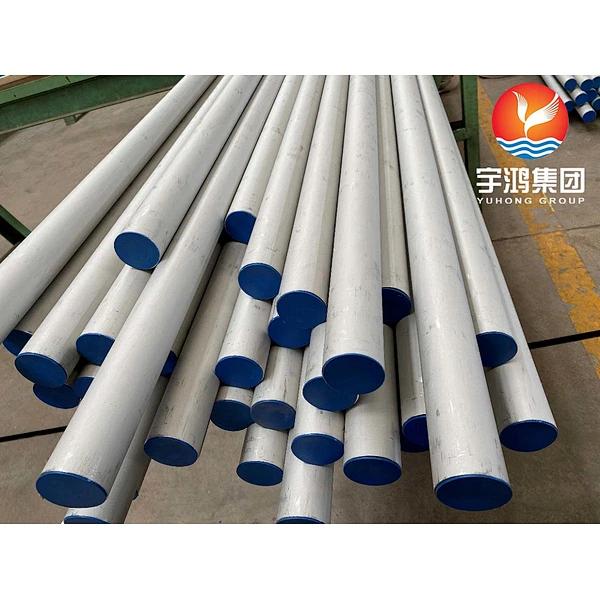
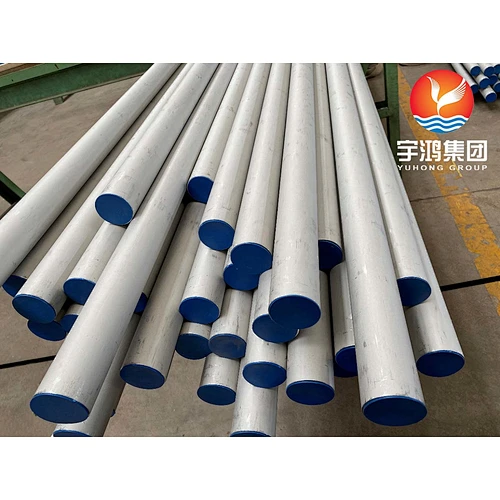
Heavy-Duty Sea Packing: Pipes are bundled with steel strips and protected by plastic end-caps.
Heavy-wall pipes are loaded in reinforced wooden cradles or 20ft/40ft containers with strict weight distribution.
Cutting Service: We offer precise CNC saw cutting services (tolerance ±1mm) for specific spool piece requirements.
FAQ: Sourcing Heavy-Wall Stainless Pipes
Q1: Why specify the"L"grade (TP316L/304L) for heavy-wall pipes?
A: Heavy-wall pipes require multi-pass welding. The standard 316/304 grades would suffer from chromium carbide precipitation in the heat-affected zone, leading to intergranular corrosion. The"L"grade (Carbon ≤ 0.03%) prevents this, ensuring the weld joint is as corrosion-resistant as the base metal.
Q2: Can TP304L be used for the main seawater cooling line?
A: No. TP304L lacks molybdenum and is highly susceptible to chloride pitting in raw seawater. We strongly recommend TP316L, or even Duplex 2205, for direct seawater cooling circuits.
Q3: What documents will be provided for shipyard classification?
A: We provide EN 10204 3.1 MTC, NDT reports (UT/Eddy Current), Hydrostatic Test certificates, and if required, a Class Certificate (e.g., DNV, ABS) for your specific marine project.
Q4: How do you handle the heavy weight during shipping?
A: Heavy-wall pipes (especially large diameters) are extremely heavy. We use custom-designed steel cradles or robust wooden saddles inside the container to prevent the pipes from rolling during ocean transit, ensuring cargo safety.