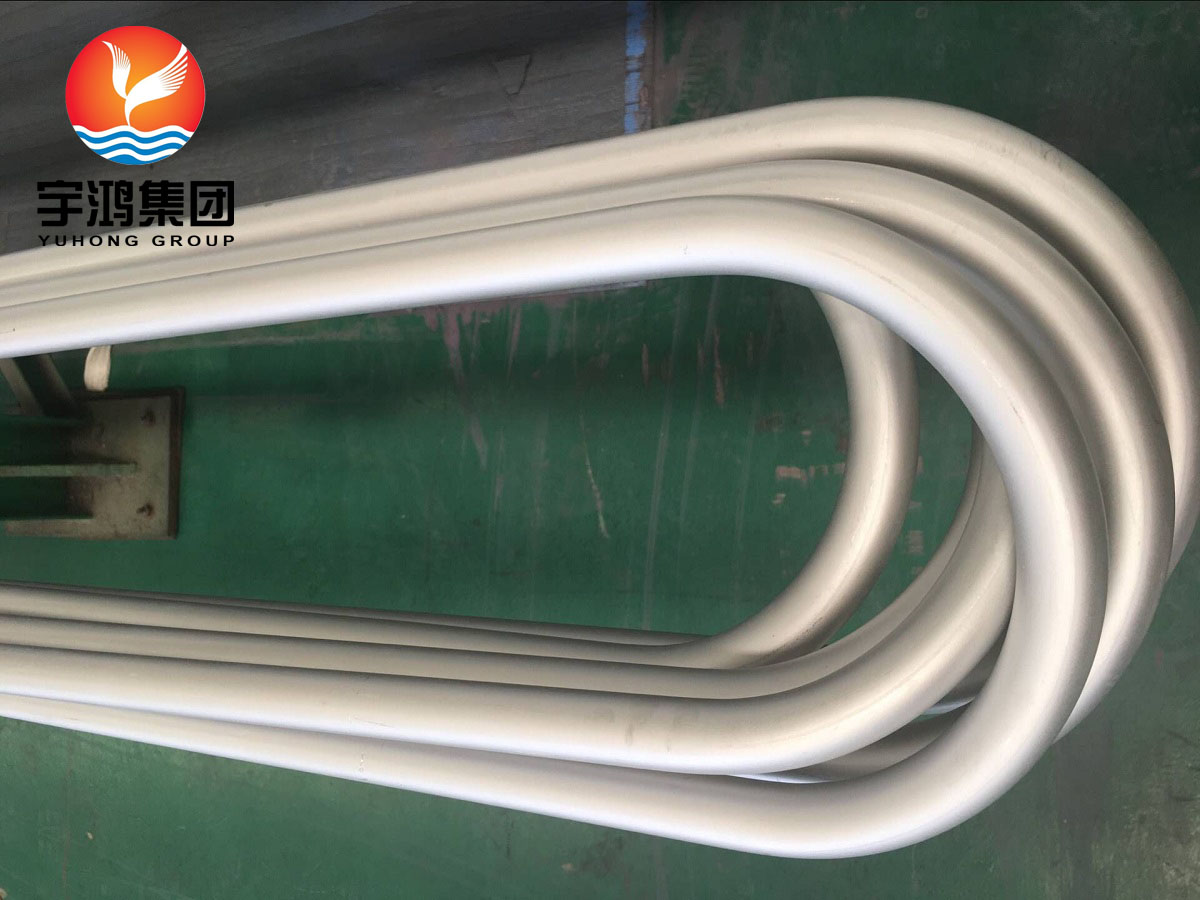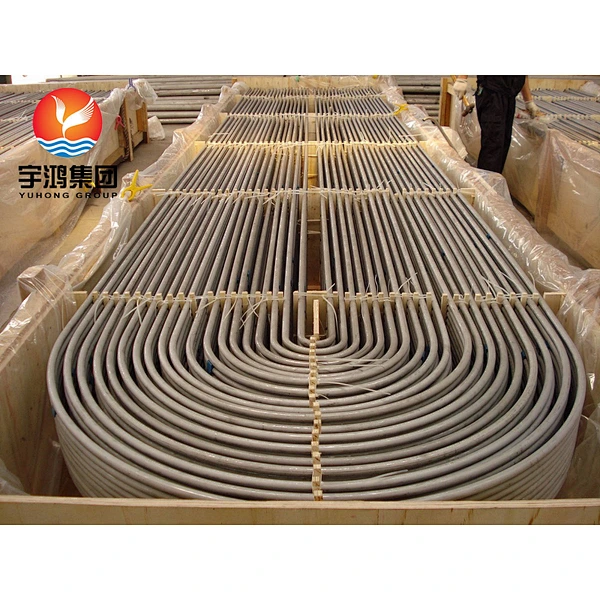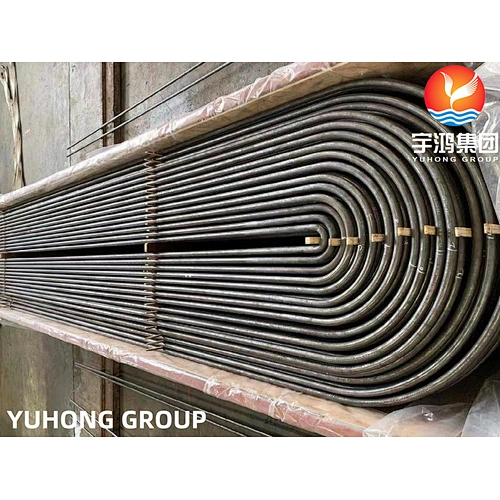




Overview
Inconel 690 has the highest chromium content (29% Cr) among nickel alloys suitable for fabrication of pressure equipment, which confers exceptional resistance to oxidizing media. It is used for hot sulfuric acid, nitric acid, and nitric/ hydrofluoric acid mixtures, as well as for oxidizing salts. The high chromium content also improves resistance in hot sulfidizing environments. Inconel 690 has good resistance to oxidizing chemicals, such as nitric acid, and to sulfur-containing gases at high temperature. Inconel 690 has a superior stress cracking resistance than Inconel 600 in steam generation nuclear reactors for piping, separators and weldments.
Chemical Composition
Grade | Ni% | Cr% | Fe% | Ti% | Mn% | Si% | C% | Cu% | P% | S% | Cu% | RE% |
Inconel 690 | Min 58.0 | 27.0-31.0 | 7.0-11.0 | Max 0.5 | Max 0.5 | Max 0.5 | Max 0.05 | Max 0.5 | Max 0.03 | Max 0.015 | Max 0.5 | Max 0.1 |
Mechanical Properties
INCONEL alloy 690 has high strength over a broad range of temperatures. Mechanical properties of the alloy vary with product form and temper. Alloy 690 is normally used in the annealed temper, and strength characteristics described below are representative of annealed material. The usual annealing temperature is approximately 1900°F (1040°C).
Corrosion Resistance
INCONEL alloy 690 has excellent resistance to corrosion in a broad range of aqueous and high temperature environments. Because of its high chromium content, the alloy is particularly resistant to oxidizing conditions. Alloy 690 also offers excellent resistance to attack by sulfur at high temperatures.
Corrosion by acids
Alloy 690 has good resistance to many oxidizing acid solutions. It is especially useful for handling nitric and nitric/hydrofluoric acids. In nitric acid, laboratory tests have shown the alloy to corrode at rates less than 1 mpy (0.03 mm/a) in concentrations through 70% at room temperature and at 176°F (80°C). In mixtures of nitric and hydrofluoric acids such as those used in pickling of stainless steels and reprocessing of nuclear fuel elements, INCONEL alloy 690 has displayed excellent corrosion resistance.
Heat Treatment
Annealing
The alloy might be annealed, following forging, at a temperature in the region 1700/1900ºF (925/1040ºC) followed by air cool or water quench, depending upon the part’s size and complexity.
Machinablity
Inconel 690 may be machined using sharp tools and positive feeds, to minimize work hardening of the material.
Stress-corrosion cracking
INCONEL alloy 690 has good resistance to stress-corrosion cracking in many environments including chloride containing solutions, high-temperature water, polythionic acid, and moderate concentrations of sodium hydroxide. In boiling 45% magnesium chloride, stressed U-bend specimens of alloy 690 did not crack in 30 days of exposure. Alloy 690 has been tested extensively for resistance to stress-corrosion cracking in high-temperature water such as encountered in nuclear steam generators. The results show the alloy to be highly resistant to cracking in chloride containing water, oxygen-containing water under crevice conditions, and deaerated (oxygen of 0.02 ppm or less) water.
In polythionic acid, stressed U-bends of alloy 690 showed no cracking after exposure for 720 h to a solution that cracked sensitized Type 304 stainless steel within 1 h. The specimens of alloy 690 were tested both in the annealed condition and after being exposed to 600°F (315°C) for up to 1000 h. The tests were performed on U-bend specimens in nondeaerated sodium hydroxide. Testing at 500°F (260°C) and 610°F (320°C) was done in autoclaves having air in the head space. The results indicate that alloy 690 resists cracking in boiling sodium hydroxide at concentrations up to about 50%. Severe general corrosion occurred at 500°F (260°C) and 610°F (320°C) in concentrations of 30% and greater.In deaerated 1% sodium hydroxide at 600°F (316°C), U-bend specimens did not crack in 9400 h. Additional tests in sodium hydroxide were performed on bent-beam specimens stressed at 50%, 90%, and 100% of yield strength (0.2% offset). No cracking occurred in 100 h of exposure to boiling 80% sodium hydroxide.
Oxidation and sulfidation
INCONEL 690 has good resistance to oxidation and sulfidation in high-temperature gaseous environments.
Available Products and Specifications
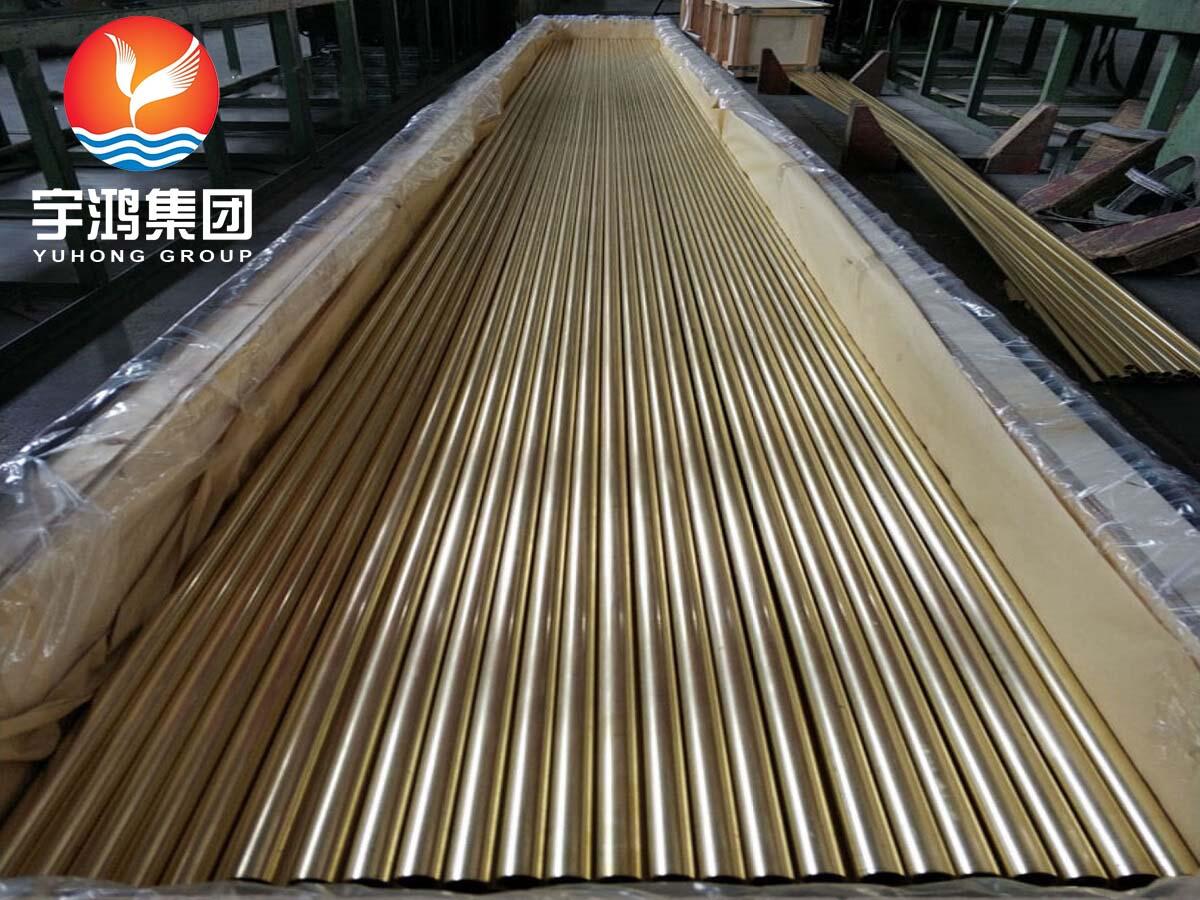
INCONEL alloy 690 is available in a wide range of standard mill forms including rod, bar, pipe, tube, and forging. Alloy 690 is designated as UNS N06690, W. Nr. 2.4642 and ISO NW6690. Rod, Bar, and Forging - ASTM B / ASME SB 166, ASTM B 564 /ASME SB 564, ASME Code Case N-525, ISO 9723, MIL-DTL-24801 Seamless Pipe and Tube - ASTM B / ASME SB 163, ASTM B 167 / ASME SB 829, ASTM B 829 /ASME SB 829, ASME Code Cases 2083, N- 20, N-525, ISO 6207, MILDTL- 24803.