



Overview
Alloy 600 (UNS Designation N06600) is a nickel-chromium alloy designed for use from cryogenic to elevated temperatures in the range of 2000°F (1093°C). 600 alloy is non-magnetic and readily weldable. The alloy is used in a variety of corrosion resistant applications. The high nickel content of the alloy provides a level of resistance to reducing environments, while the chromium content of the material provides resistance to weaker oxidizing environments. The high nickel content of the material provides exceptional resistance to chloride stress corrosion cracking.
Alloy 600 is available in plate, sheet, and strip and long product forms. The alloy is supplied in the annealed conditions generally specified. Sheet and strip can be provided in the various temper conditions specified. Plate can be supplied in the"as rolled"condition.
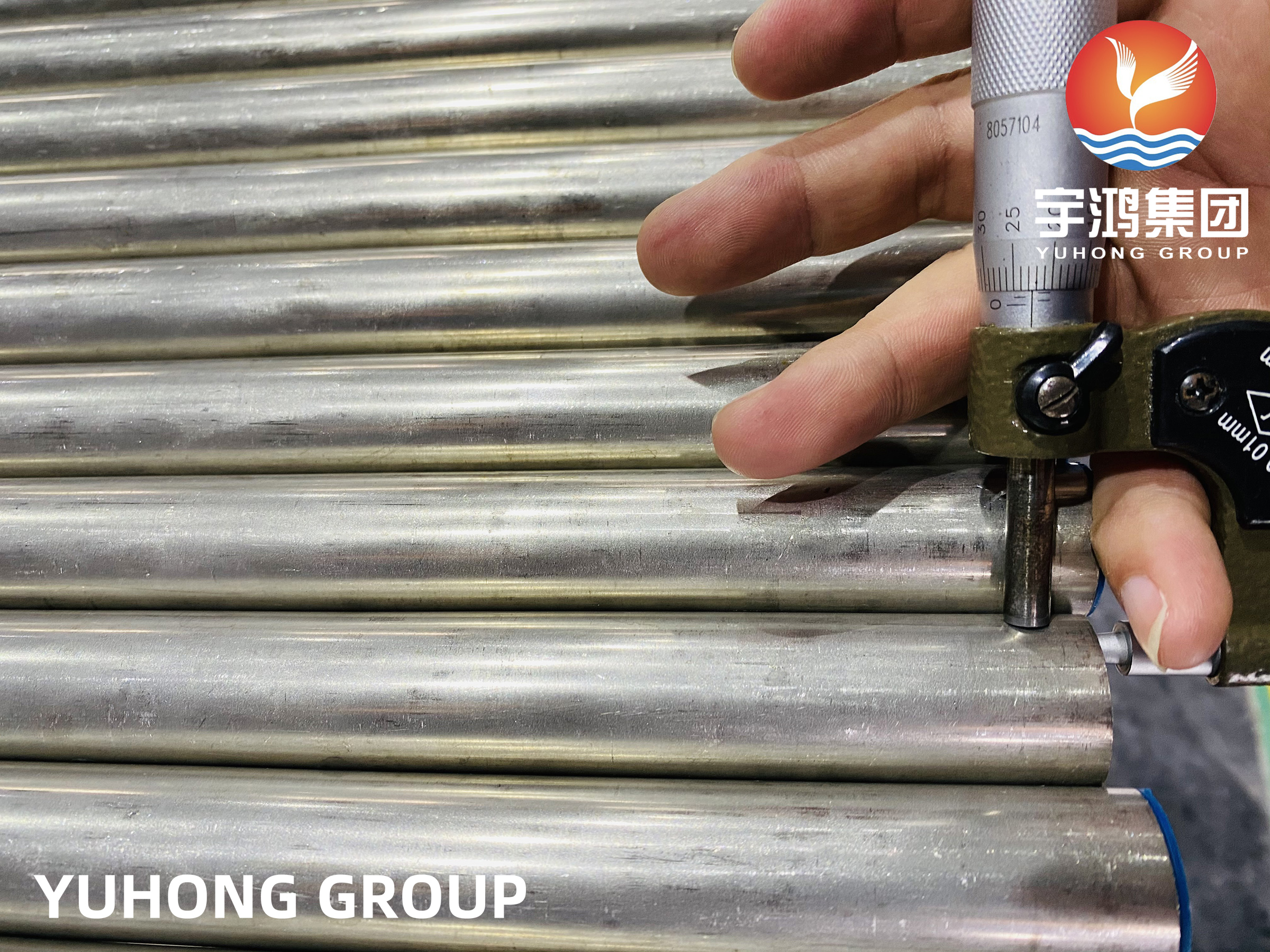
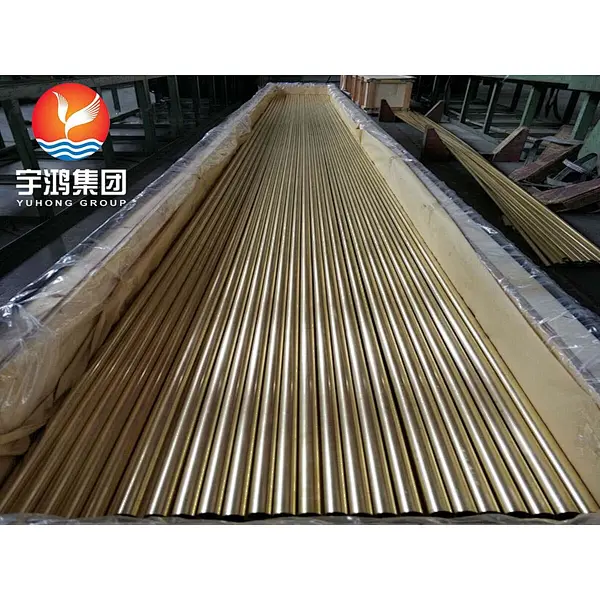
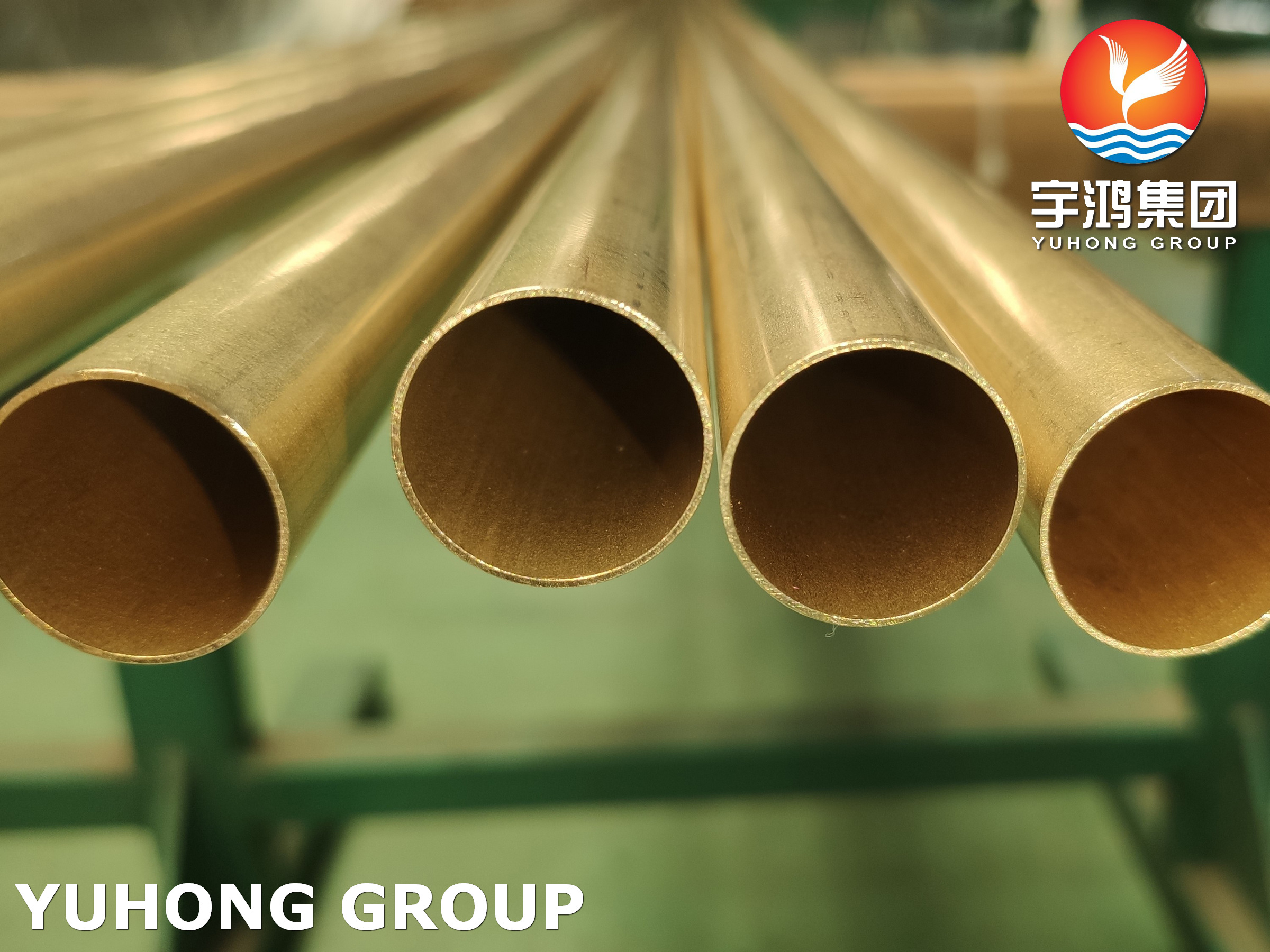
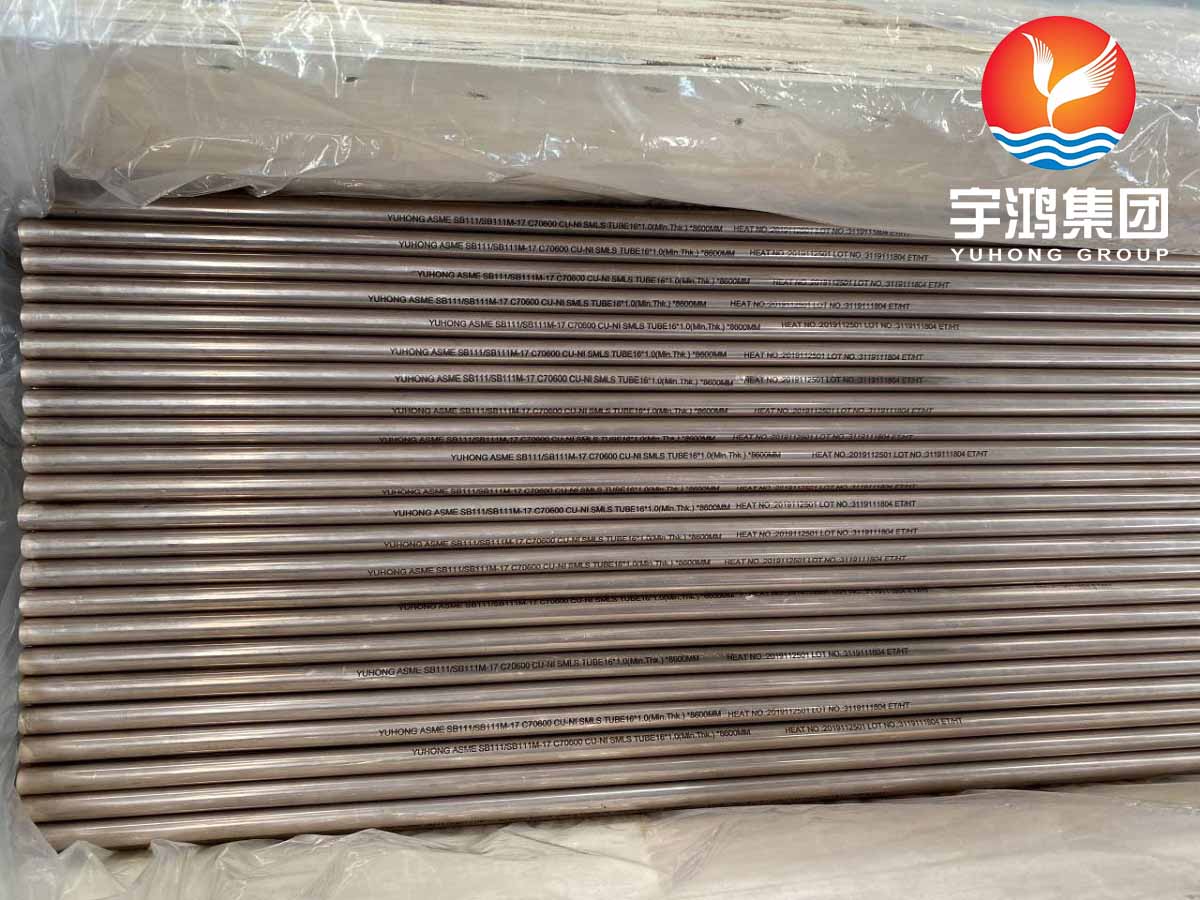
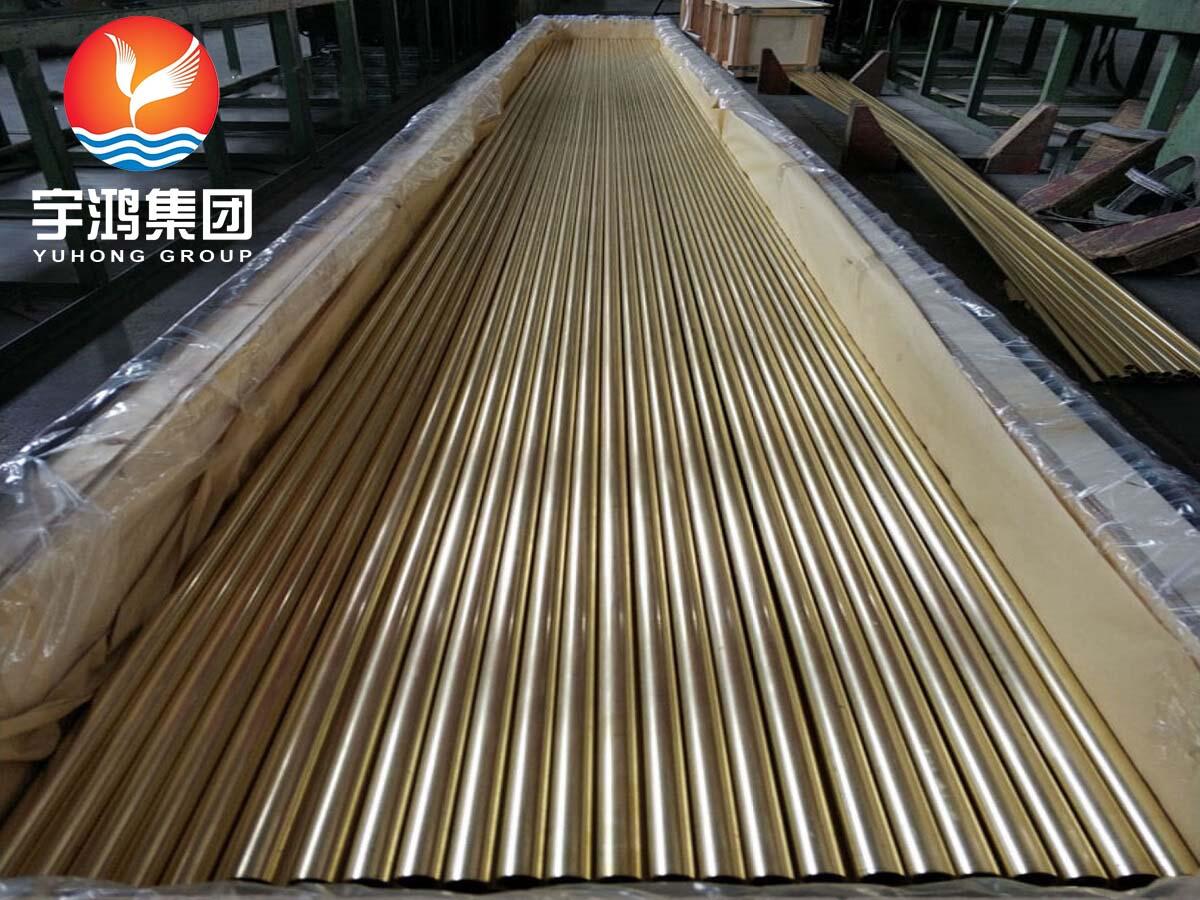
Bright annealing tube under a reducing atmosphere or in a vacuum protection, after high temperature solid melting and rapid cooling to get the stainless steel tube, requiring the inner surface has a very good surface roughness and cleanliness, is a comprehensive consideration of organizational stability corrosion resistance and workability of the pipe.
Specification
ASTM B167-18 Standard Specification for Nickel-Chromium-Aluminum Alloys (UNS N06699), Nickel-Chromium-Iron Alloys (UNS N06600, N06601, N06603, N06690, N06693, N06025, N06045, and N06696), Nickel-Chromium-Cobalt-Molybdenum Alloy (UNS N06617), Nickel-Iron-Chromium-T.
Specifications | ASTM B 167 ASME SB 167 / ASTM B 517 ASME SB 517, ASTM B 829 ASME SB 829 / ASTM b167 n06600 cl.h.f, ASTM b167 alloy n06600 |
|---|---|
Common Standards | SAE/ AMS 5580, N-253, ISO 6207, MIL-DTL-23227, and N-576, ASTM B 751/ ASME SB 751, DIN 17751, ASTM B 517/ ASME SB 517, N-20, ASTM B 167/ ASME SB 167, ASTM B 163/ ASME SB 163, ASME Code Cases 1827, ASTM B 516/ ASME SB 516, ASTM B 829/ASME SB 829, ASTM B 775/ ASME SB 775 |
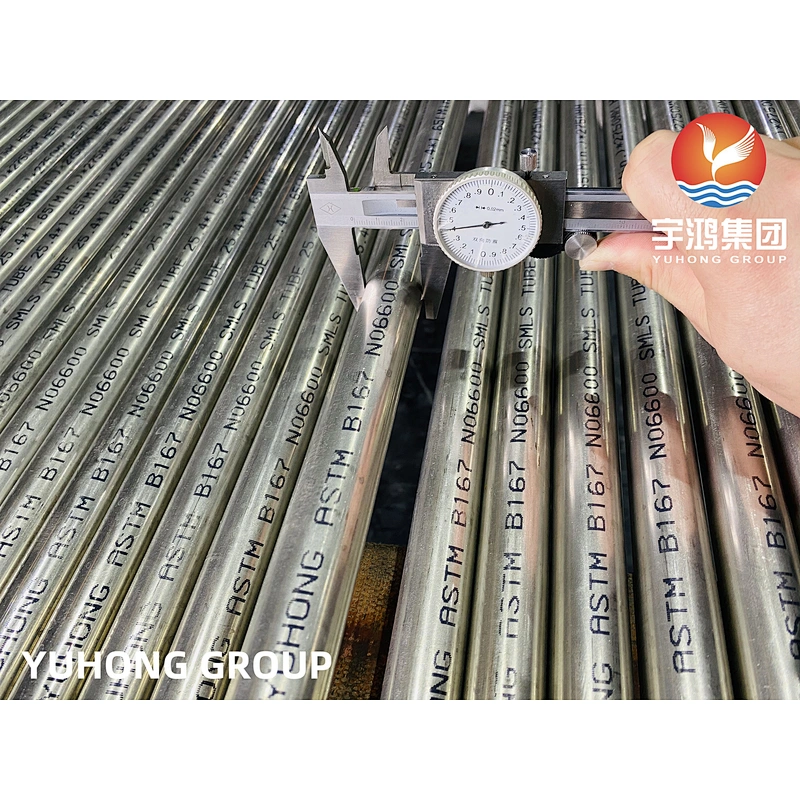
SMLS B167 UNS N06600 | 4 to 219mm W. T.: 0.5 to 20mm |
Welded / ERW | 5.0 mm – 1219.2 mm |
Pipes Sch. | Inconel 600 ASTM B167 SCH5, SCH10, SCH40, STD, SCH80, SCH160 |
Different Types | Seamless / ERW / EFW / Welded / Fabricated / LSAW Pipes |
Forms Include | Round, Hydraulic Etc |
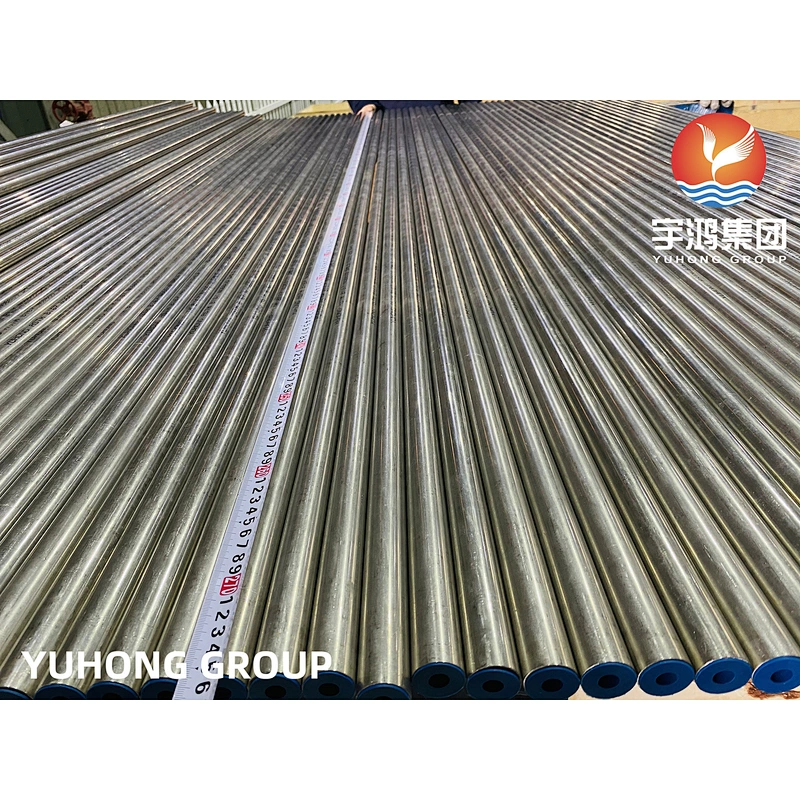
Lengths available | Single Random, Double Random & Cut Length. |
Pipe End Finish | BBE, BSE, BE, BLE, BOE, TOE, BOE, POE, TBE, PBE |
Japanese JIS | NCF 600 |
GOST | МНЖМц 28-2,5-1,5 |
Chemical Composition
Product Form | Condition | Tensile (ksi) | .2% Yield (ksi) | Elongation (%) | Hardness (HRB) |
Tube & Pipe | Hot-Finished | 75-100 | 25-50 | 35*55 | - |
Tube & Pipe | Cold-Drawn | 80-100 | 25-50 | 35-55 | 88 Max |
Mechanical Properties
Ni + Co | Cr | Fe | C | Mn | S | Si | Cu |
72.0 min | 14.0-17.0 | 6.0-10.0 | .15 max | 1.00 max | .015 max | .50 max | .50 max |
Corrosion Resistance
The high nickel content of 600 alloy provides good resistance to moderate levels of reducing conditions. The nickel content of the alloy renders the alloy extremely resistant to chloride stress corrosion cracking. 600 alloy is used in solutions of magnesium chloride. Similarly, the chromium content of 600 alloy provides resistance to weak oxidizing environments. In this respect, 600 alloy is an improvement over 200 alloy (commercially pure nickel). In strong oxidizing solutions like hot, concentrated nitric acid, the 600 alloy has poor resistance. The 600 alloy is relatively unattacked by the majority of neutral and alkaline salt solutions. The 600 alloy is used in some caustic environments.
Alloy 600 resists steam and mixtures of steam, air and carbon dioxide. The alloy has excellent oxidation resistance to about 2100°F (1149°C). The nickel content of the alloy renders it subject to attack at elevated temperatures in sulfur containing atmospheres, however.
Applications
1. Aircraft ducting systems
2. Aerospace
3. Jet engine exhaust systems
4. Engine thrust-reverser systems
5. Specialized seawater equipment
6. Chemical process equipment
7. Chemical Processing
8. Heat treating industry
9. Power generation
10. Heat treating muffles and retorts
11. Radiant tubes
12. Catalyst support grids in nitric acid production
13. Steam superheater tube supports
14. Pulp and paper industry
15. Food processing
16. Nuclear Engineering
17. Gas turbine components