

Overview
Hastelloy Alloy C-22 is a nickel-chromium-molybdenum alloy with enhanced resistance to pitting, crevice corrosion and stress corrosion cracking. It resists the formation of grain boundary precipitates in the weld-heat affected zone making it suitable for use in the as-welded condition. C-22 has outstanding resistance to both reducing and oxidizing media and because of its resistibility can be used where"upset"conditions are likely to occur. It is proven to possess excellent weldability and high corrosion resistance as consumable filler wires and electrodes. The alloy has proven results as a filler wire in many applications. As filler wire use when other corrosion resistant wires have failed.
C-22 can easily be cold-worked because of its ductility and cold-forming is the preferred method of forming. More energy is required because the alloy is generally stiffer than austenitic stainless steels. 0.28"thick sheet in the heat-treated at 2050°F, rapid quenched condition, has an average olsen cup depth of 0.49".
Specification
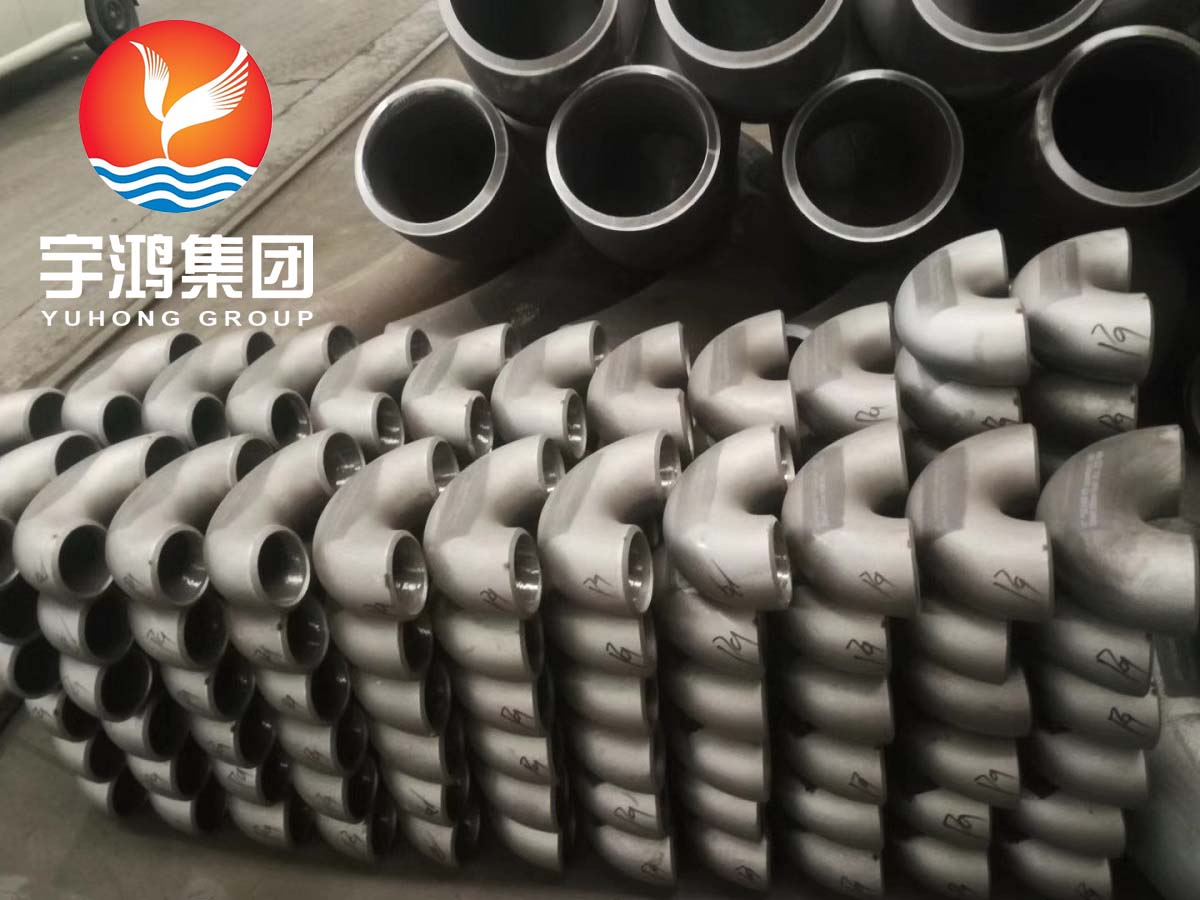
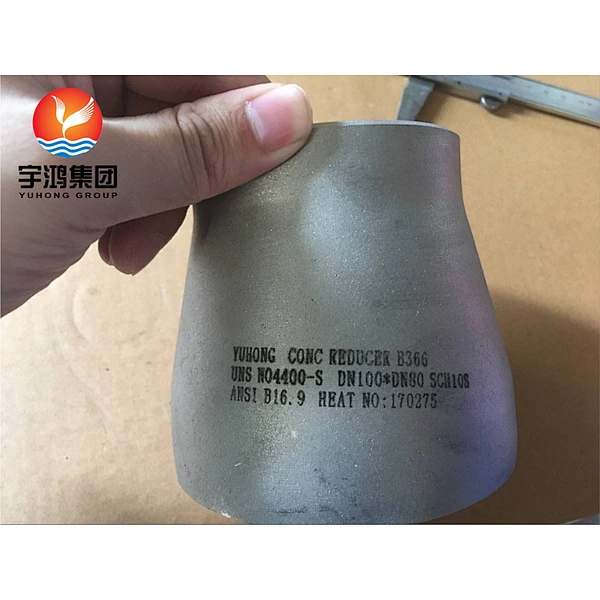
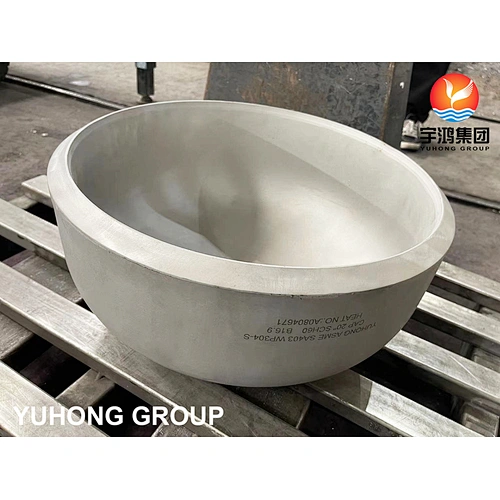
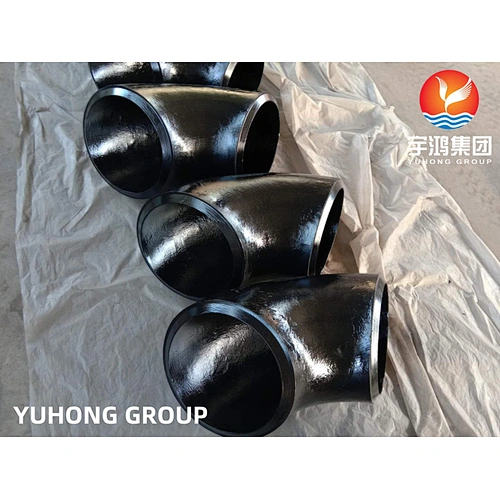
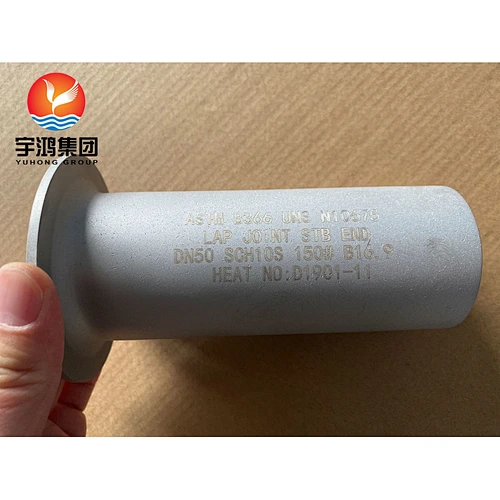
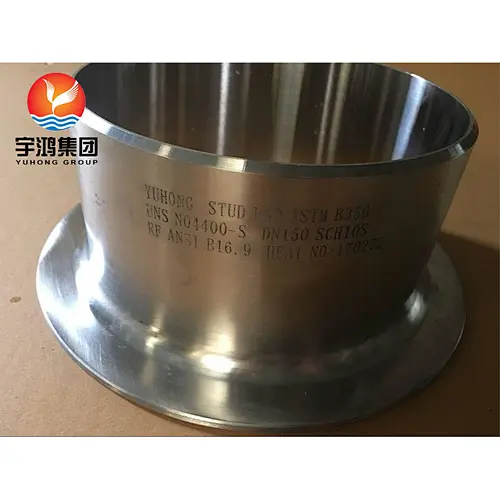
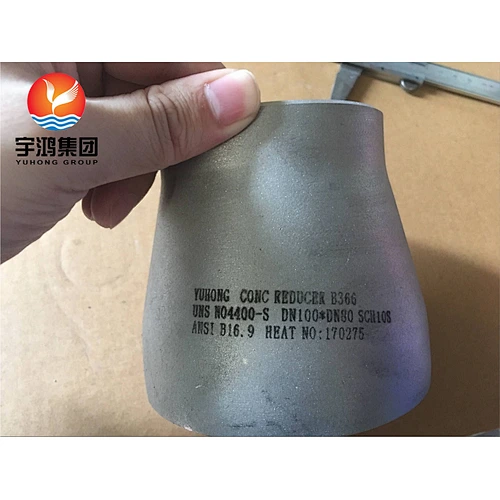
ASTM B366/B366M Standard Specification for Factory-Made Wrought Nickel and Nickel Alloy Fittings.
| Standards | Desciption |
| ASTM B574 | Standard Specification for Low-Carbon Nickel-Chromium-Molybdenum, Low-Carbon Nickel-Molybdenum-Chromium, Low-Carbon Nickel-Molybdenum-Chromium-Tantalum, Low-Carbon Nickel-Chromium-Molybdenum-Copper, and Low-Carbon Nickel-Chromium-Molybdenum-Tungsten Alloy Rod. |
| ASTM B575 | Standard Specification for Low-Carbon Nickel-Chromium-Molybdenum, Low-Carbon Nickel-Chromium-Molybdenum-Copper, Low-Carbon Nickel-Chromium-Molybdenum-Tantalum, Low-Carbon Nickel-Chromium-Molybdenum-Tungsten, and Low-Carbon Nickel-Molybdenum-Chromium Alloy Plate, Sheet, and Strip. |
| ASTM B366 | Standard Specification for Factory-Made Wrought Nickel and Nickel Alloy Fittings. |
| ASTM B564 | Standard Specification for Nickel Alloy Forgings. |
| ASTM B619 | Standard Specification for Welded Nickel and Nickel-Cobalt Alloy Pipe. |
| ASTM B622 | Standard Specification for Seamless Nickel and Nickel-Cobalt Alloy Pipe and Tube. |
| ASTM B626 | Standard Specification for Welded Nickel and Nickel-Cobalt Alloy Tube. |
| ASTM B704 | Standard Specification for Welded Alloy Tubes. |
| ASTM B705 | Standard Specification for Nickel-Alloy Welded Pipe. |
| Form | Standard | ||||||
| Bar | ASTM B574 | ||||||
| Sheet | ASTM B575 | ||||||
| Plate | ASTM B575 | ||||||
| Fitting | ASME SB-366 | ||||||
| Forging | ASME SB-564 |
Mechanical Properties
| Product Form | Tensile (ksi) | .2% Yield (ksi) | Elongation % | Hardness (HRb) |
| Plate (.25”-1.75”) | 112 | 53 | 62 | 89 |
| Sheet (.038”-.15”) | 122 | 63 | 54 | 93 |
| Bar (.50”-5.50”) | 115 | 55 | 60 | 89 |
Chemical Requirements
| Ni | Cr | Mn | C | Mo | Si | Fe | |
| Max | Bal. | 22.5 | 0.5 | 0.015 | 14.5 | 0.08 | 6.0 |
| Min | - | 20 | - | - | 12.5 | - | 2.0 |
Applications
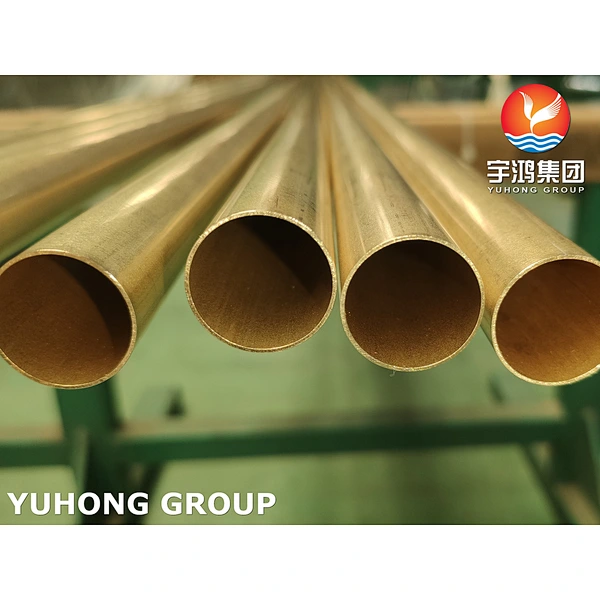
1. Pharmaceutical industries use alloy C-22 fittings and tubing to avoid contamination caused by corrosion related failures.
2. Cellophane manufacturing.
3. Chlorination systems.
4. Pesticide production.
5. Incineration scrubber systems.
6. Chemical process industry in equipment like flue gas scrubbers, chlorination systems, sulfur dioxide scrubbers, pulp and paper bleach plants, pickling systems, and nuclear fuel reprocessing.
7. Waste water processing.