
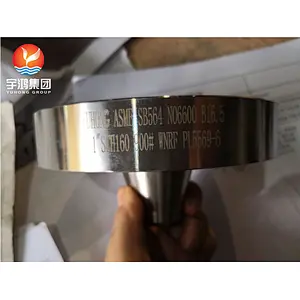


Overview
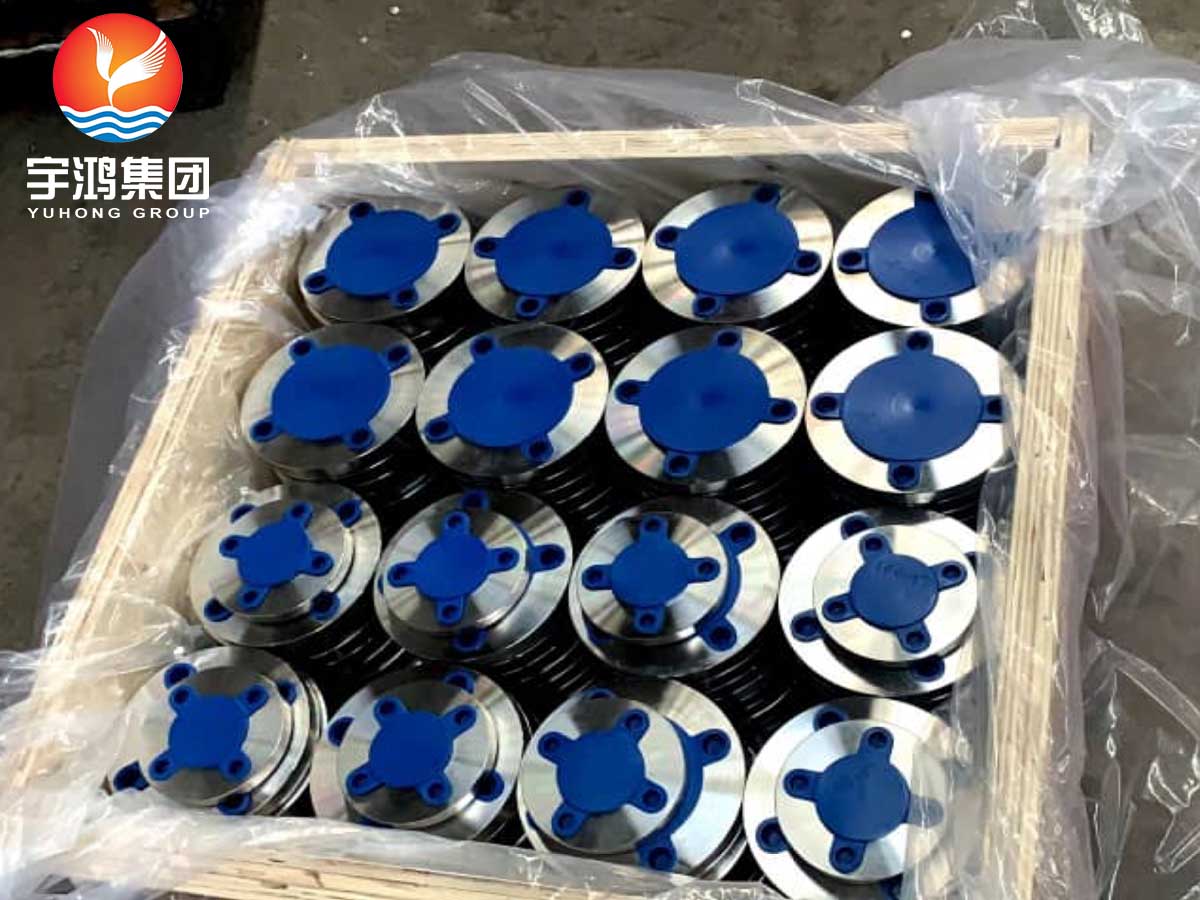
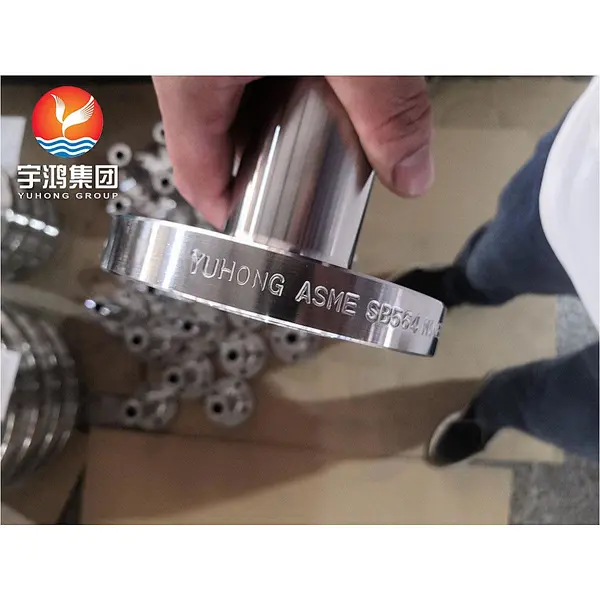
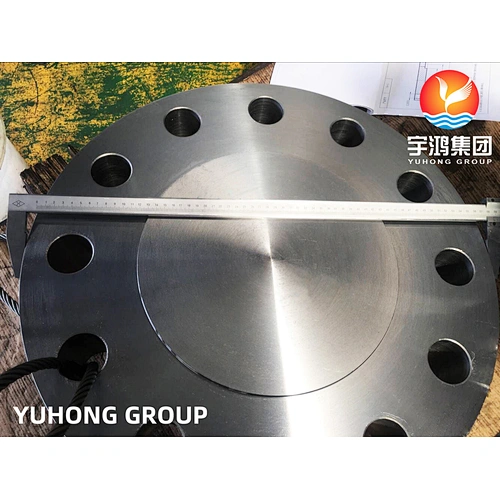
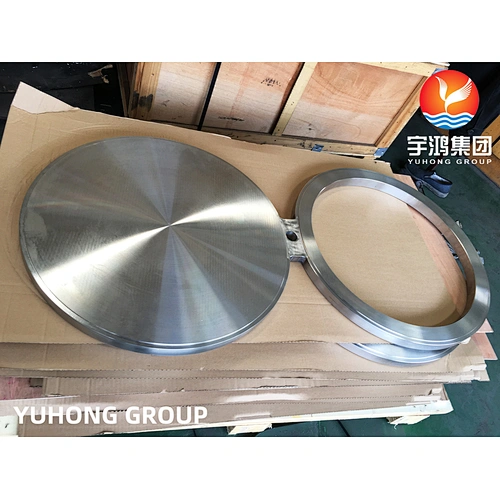
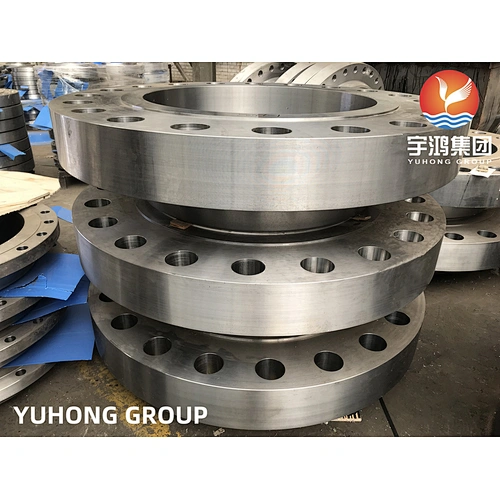
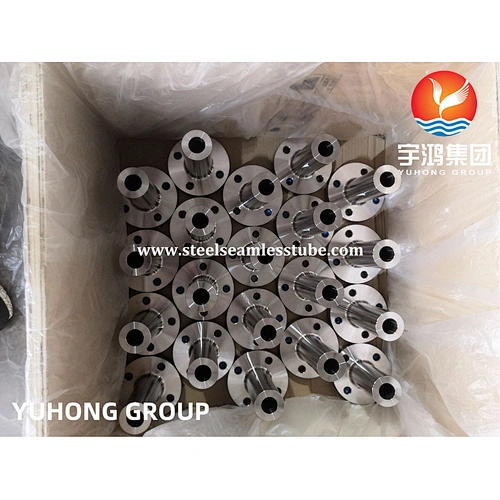
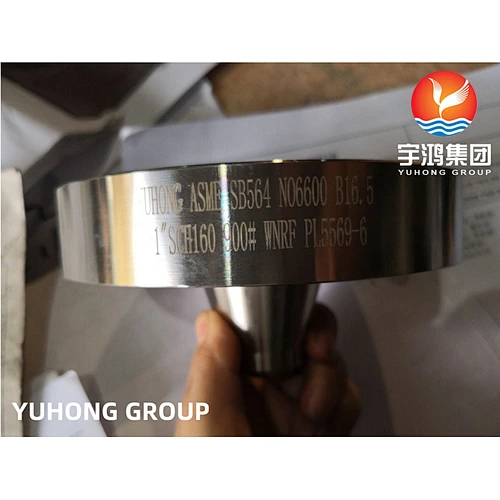
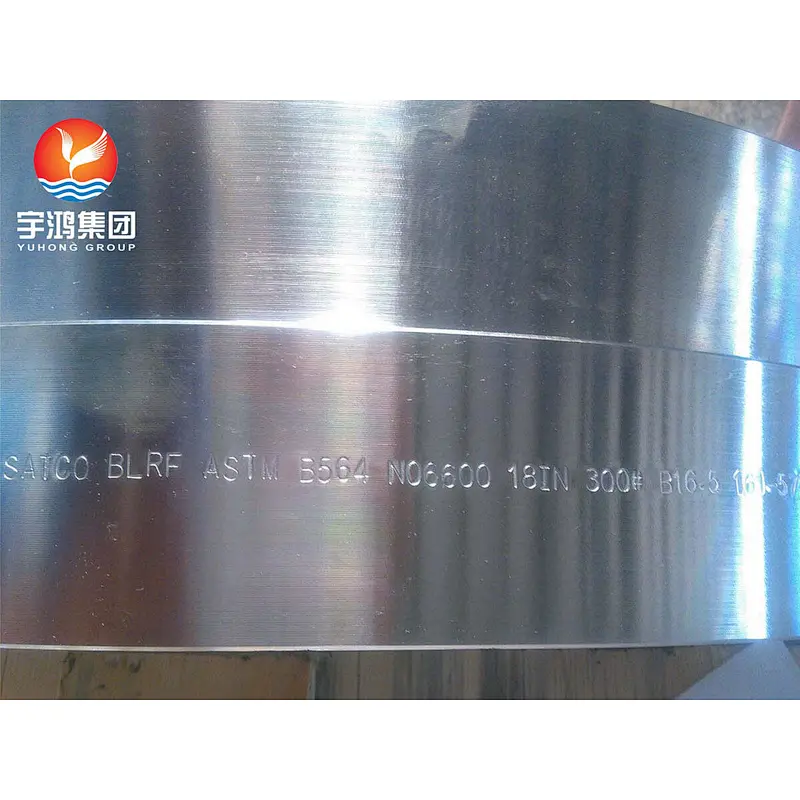
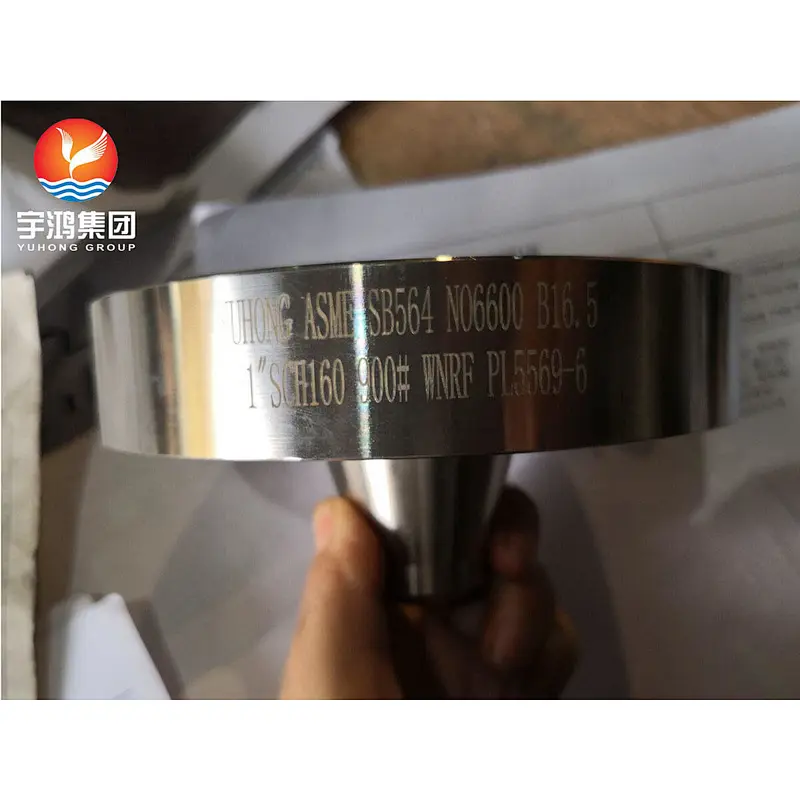
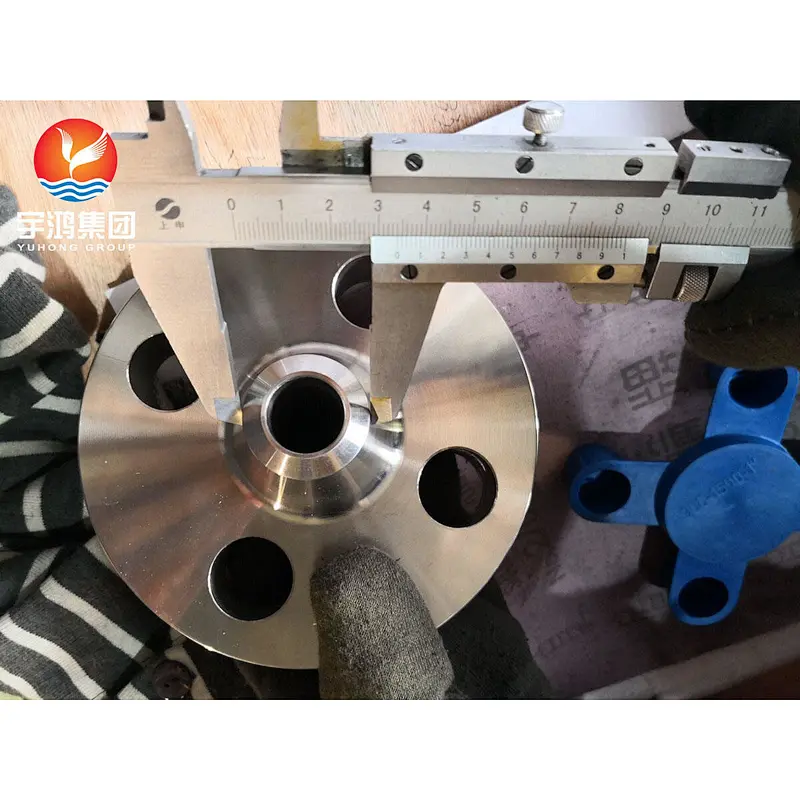
Inconel 625 Flangneis a nickel-chromium-molybdenum alloy that is used for its high strength, high toughness and excellent corrosion resistance. The strength of alloy 625,UNS N06625 is derived from the stiffening effect of molybdenum and niobium on its nickel-chromium matrix. Although the alloy was developed for high temperature strength, its highly alloyed composition also provides a significant level of general corrosion resistance.
Specification
ASTM B564 Standard Specification for Nickel Alloy Forgings.
Chemical Composition
| Grade | C | Mn | Si | S | Cu | Fe | Ni | Cr |
| Inconel 625 | 0.10max | 0.50 max | 0.50 max | 0.015max | – | 5.0 max | 58.0 min | 20.0 – 23.0 |
Mechanical Properties
| Element | Density | Melting Point | Tensile Strength | Yield Strength (0.2%Offset) | Elongation |
| Inconel 625 | 8.4 g/cm3 | 1350 °C (2460 °F) | Psi – 1,35,000 MPa – 930 | Psi – 75,000 MPa – 517 | 42.5 % |
Applications
Inconel 625 Flangeis used in a variety of industries, including automotive, marine, aerospace, oil and gas, chemical processing and nuclear. Typical end use applications include heat exchangers, bellows, expansion joints, exhaust systems, fasteners, quick connect fittings and many other applications requiring strength and resistance against aggressive corrosive environments.
Inconel 625is a low carbon (0.03%) nickel-chromium-molybdenum-niobium alloy which has excellent corrosion resistance to a wide range of corrosive media. Alloy 625 is normally supplied in annealed condition for wet corrosion applications and is TÜV-approved for pressure vessels in the temperature range from -196°C to 450°C. In annealed condition (grade 1) Alloy 625 is characterized by:
– good mechanical property
– Resistance to chlorine-induced stress corrosion cracking
– high resistance to mineral acids such as nitric, phosphoric, sulfuric, and hydrochloric acid
– good resistance to alkalis and organic acids
– exceptional resistance to pitting, crevice, erosion and intergranular corrosion