



Product Overview
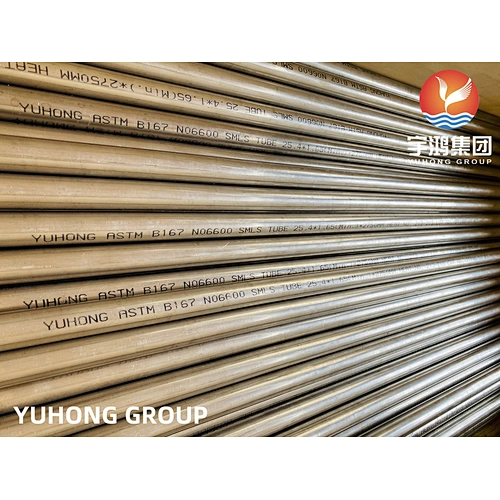
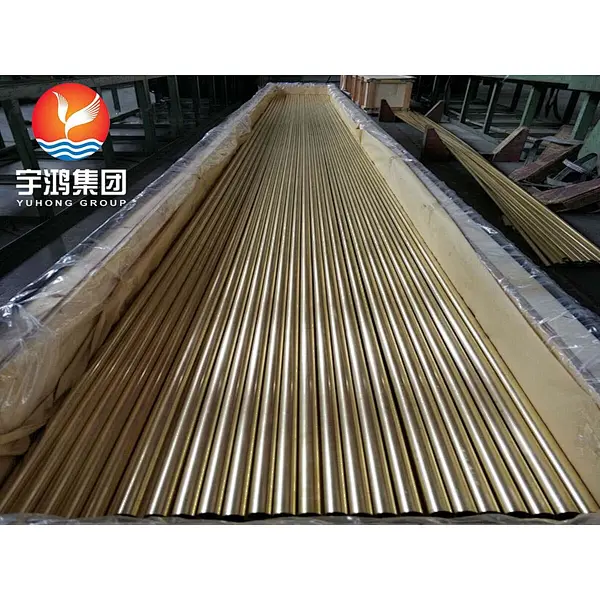
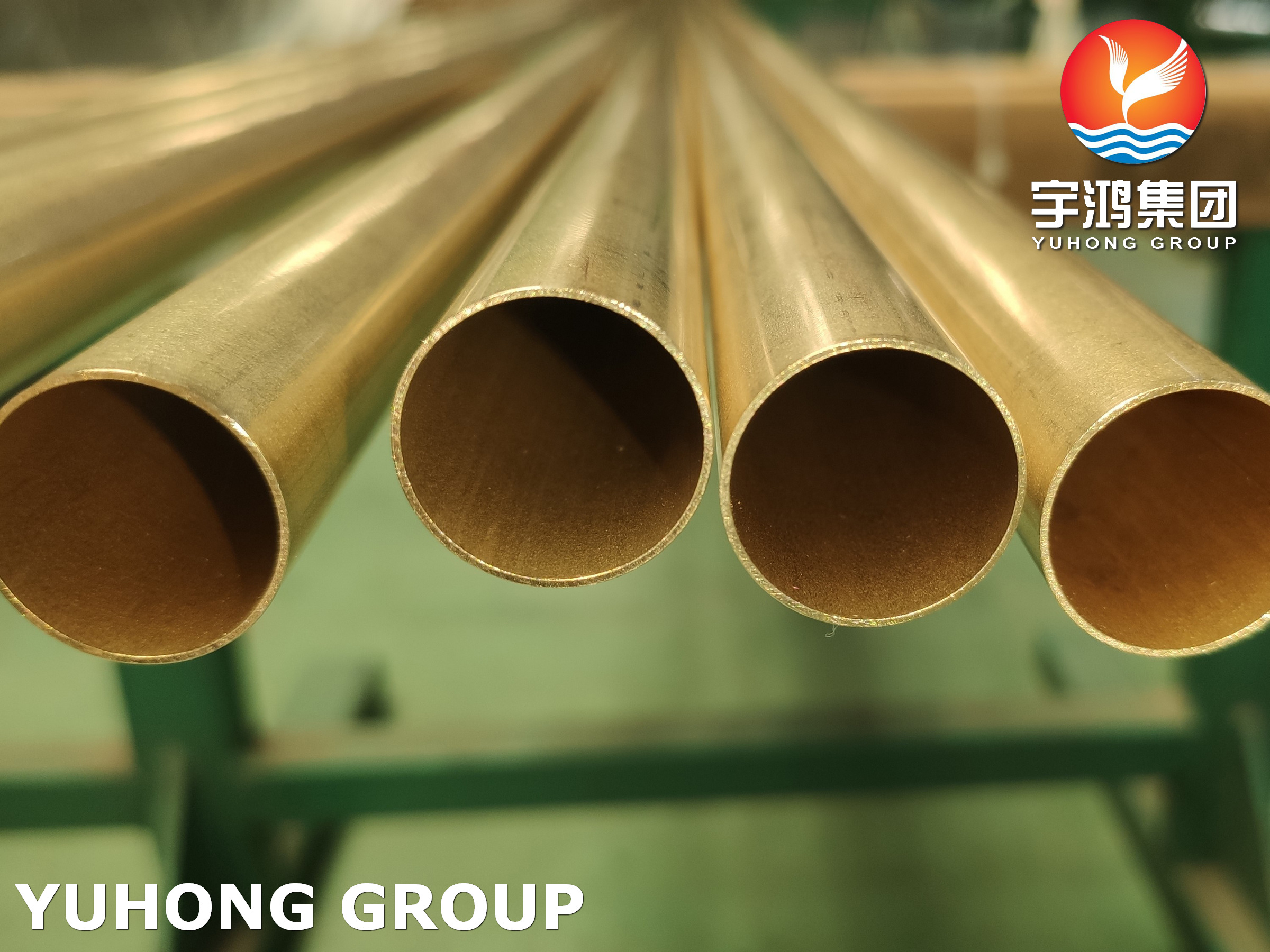
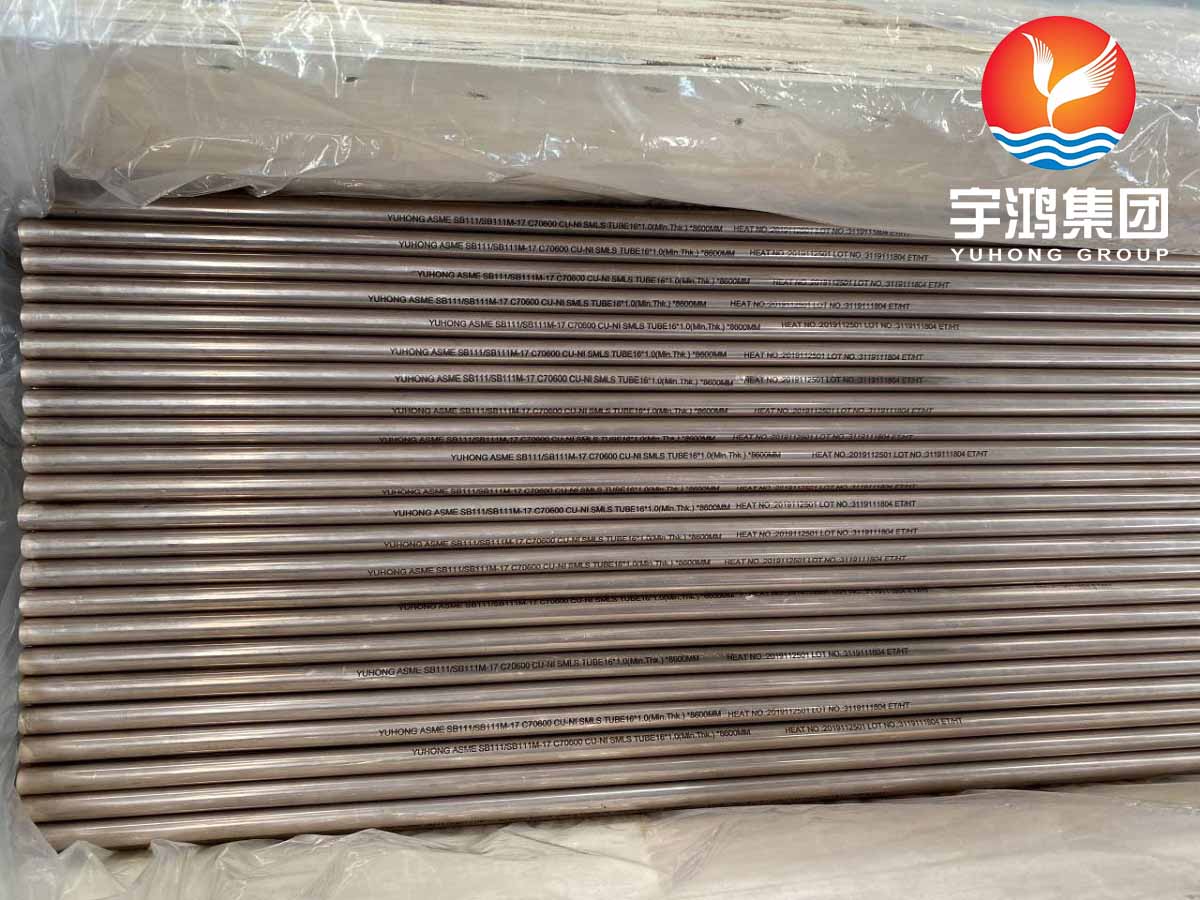
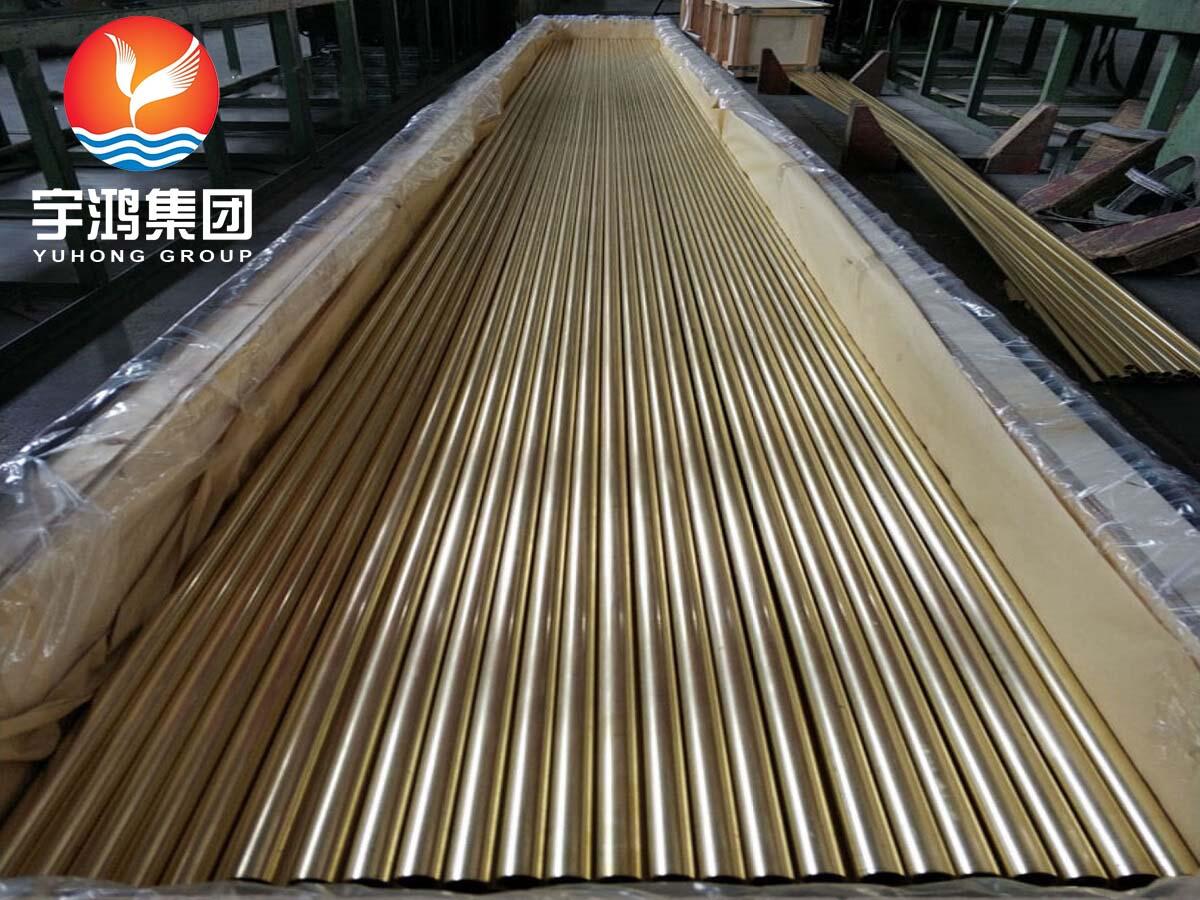
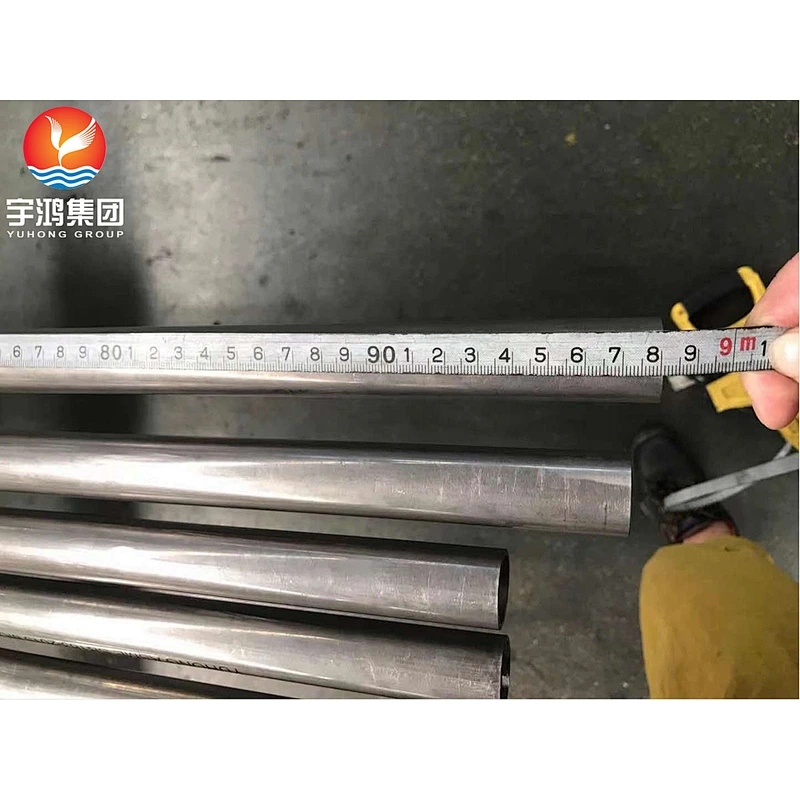
ASME SB163 Monel 400 seamless tube is a solid-solution strengthened alloy tube based on nickel-copper, with a nickel content of approximately 63% or higher and copper content of 28–34%. This material offers outstanding corrosion resistance in harsh media such as seawater, hydrofluoric acid, alkaline solutions, and high-temperature steam, and is virtually immune to flowing seawater and chloride stress corrosion cracking. Our Monel 400 seamless tubes are strictly manufactured to ASTM B163 / ASME SB163 standards, delivered in the annealed or cold-drawn condition, and designed specifically for condensers, heat exchangers, steam generators, and other heat transfer equipment.
Core Material Characteristics
Chemical Composition Design
The nickel-copper alloy system of Monel 400 is the foundation of its corrosion resistance:
| Element | Content Requirement |
|---|---|
| Nickel (Ni) | ≥ 63.0% |
| Copper (Cu) | 28.0% – 34.0% |
| Iron (Fe) | ≤ 2.50% |
| Manganese (Mn) | ≤ 2.00% |
| Carbon (C) | ≤ 0.30% |
| Silicon (Si) | ≤ 0.50% |
| Sulfur (S) | ≤ 0.024% |
The nickel content includes cobalt. Low carbon and low sulfur control ensure good weldability and processing performance.
Mechanical Properties
| Property | Typical Annealed Values |
|---|---|
| Tensile Strength | 550 MPa |
| Yield Strength (0.2% offset) | 240 MPa |
| Elongation | 48% |
| Density | 8.8 g/cm³ |
| Melting Point | 1300 – 1350°C |
Monel 400 maintains good mechanical properties from sub-zero temperatures up to approximately 550°C. Annealed condition offers lower strength but can be strengthened by cold working.
Key Corrosion Resistance Characteristics
Monel 400's corrosion resistance holds a unique position among nickel-copper alloys:
Seawater and Chlorides: Extremely low corrosion rates in fast-flowing seawater and brackish water, and virtually immune to chloride stress corrosion cracking
Hydrofluoric Acid: One of the few metallic materials capable of withstanding unaerated hydrofluoric acid
Alkalis and Salts: Excellent resistance to neutral and alkaline salt solutions; has been the standard material for salt industry equipment for many years
Limitations: Not suitable for nitric acid and ammonia systems; attacked in sulfur-containing gases above approximately 370°C (700°F)
Comparison with Other Common Corrosion-Resistant Tube Materials
Comparison with CuNi 90/10 and CuNi 70/30
Copper-nickel alloys are common economical choices for seawater heat exchanger tubes, but there is a clear performance gap compared with Monel 400:
| Comparison Dimension | Monel 400 | CuNi 90/10 | CuNi 70/30 |
|---|---|---|---|
| Seawater Velocity Tolerance | Excellent | Moderate | Good |
| Pitting/Crevice Corrosion Resistance | Excellent | Moderate | Good |
| Hydrofluoric Acid Resistance | Excellent | Poor | Poor |
| Cost | High | Low | Medium |
Selection Principle: CuNi 90/10 is adequate for general seawater service; for hydrofluoric acid-containing, high-velocity seawater, or high-reliability applications, Monel 400 is the more reliable choice.
Comparison with Inconel 625
Inconel 625 is a nickel-chromium-molybdenum alloy, complementing Monel 400's nickel-copper system:
| Comparison Dimension | Monel 400 | Inconel 625 |
|---|---|---|
| Reducing Acids (HF, H₂SO₄) | Superior | Good |
| Oxidizing Acids (HNO₃) | Not suitable | Excellent |
| High-Temperature Strength (>550°C) | Moderate | Superior |
| Chloride Stress Corrosion | Immune | Excellent |
Selection Principle: Choose Monel 400 for hydrofluoric acid and reducing acid environments; choose Inconel 625 for high temperature, oxidizing acids, or when higher strength is required.
Comparison with 316L Stainless Steel
316L is a general-purpose corrosion-resistant stainless steel but faces severe challenges in chloride environments:
| Comparison Dimension | Monel 400 | 316L |
|---|---|---|
| Chloride Stress Corrosion Cracking | Immune | Susceptible |
| Seawater Corrosion Resistance | Excellent | Moderate (prone to pitting) |
| Hydrofluoric Acid | Excellent | Poor |
| Cost | High | Low |
Selection Principle: For chloride-containing, seawater, or hydrofluoric acid service, Monel 400 is irreplaceable; for general chemical media, 316L is sufficient.
Typical Application Scenarios
Marine Engineering: Seawater piping, seawater valves, marine inert gas system scrubbers, propeller shafts
Chemical and Petrochemical: Hydrofluoric acid alkylation units, sulfuric acid alkylation units, MEA reboiler tubes, refinery crude tower overhead liners
Power Generation and Nuclear Industry: Feedwater heater tubes, steam generator tubes, isotope separation equipment in nuclear fuel production
Seawater Desalination and Salt Industry: Brine heaters, evaporator tube bundles, salt industry equipment
Common Specification Reference
| Parameter | Common Range |
|---|---|
| Outer Diameter | 5.0 – 250 mm |
| Wall Thickness | 0.3 – 50 mm |
| Length | Max. 23 meters or custom cut |
| Delivery Condition | Annealed, cold-drawn, stress-relieved |
| Product Form | Straight tubes, U-bend tubes, coiled tubes |
We can provide custom U-bend tubes per customer requirements, with hydrostatic testing, eddy current testing, and third-party witness inspection available.
Welding and Surface Treatment Notes
Welding
Monel 400 welding recommends ERNiCu-7 filler metal, using GTAW (TIG) or GMAW processes with high-purity argon shielding (99.99% or higher). Oil and contaminants must be thoroughly removed before welding. Post-weld heat treatment is generally not required, but stress relief annealing is recommended if exposed to caustic soda, fluorosilicates, or certain mercury salts.
Surface Treatment
Monel 400 does not require and is not recommended for traditional stainless steel passivation. Its corrosion resistance comes from the natural formation of a nickel-based oxide film. Nitric or citric acid passivation has limited effect, and strongly oxidizing nitric acid may actually cause localized corrosion. After welding, a pickling paste suitable for nickel-based alloys can be used to remove welding oxides, but this is weld cleaning rather than standard passivation. For Monel 400 seamless tubes, pickling and bright finishing effectively removes surface oxides and restores luster while avoiding material loss from mechanical polishing.
Quality Assurance and Services
Standard Compliance: Strictly manufactured to ASTM B163 / ASME SB163, with EN 10204 3.1 material certificates available
Inspection Certification: Third-party inspection supported including SGS, BV, TUV
Heat Treatment Control: Annealing temperature executed per standard, ensuring uniform structure and corrosion resistance
Customization Services: Drawing-based customization of U-bend tubes, coiled tubes, and special specifications
Technical Support: Assistance with confirming Monel 400 applicability based on customer media conditions
FAQ
Q1: Are Monel 400, UNS N04400, and DIN 2.4360 the same material?
Yes. Monel 400 is the commercial trade name, UNS N04400 is the American unified numbering system designation, and DIN 2.4360 (Werkstoff Nr.) is the European material number. All three refer to the same nickel-copper alloy with essentially identical chemical composition. It is recommended to also specify UNS N04400 in orders for accuracy.
Q2: What is the maximum service temperature of Monel 400?
Monel 400 maintains good mechanical properties from sub-zero temperatures up to approximately 550°C. The recommended continuous service temperature in oxidizing atmospheres is approximately 400°C. Note that the material is attacked in sulfur-containing gases above approximately 370°C (700°F), and high-temperature use in such environments should be avoided.
Q3: Why can Monel 400 withstand hydrofluoric acid?
Monel 400 is one of the few metallic materials capable of withstanding unaerated hydrofluoric acid. Its nickel-copper matrix forms a stable protective fluoride film in hydrofluoric acid, preventing further corrosion. However, note that aerated (oxygen-containing) hydrofluoric acid accelerates corrosion, and the specific state of the medium should be confirmed before use.
Q4: What is the delivery condition of Monel 400 tubes?
Monel 400 seamless tubes are typically delivered in the annealed condition, with cold-drawn or stress-relieved conditions available upon request. The annealed condition offers the best plasticity and corrosion resistance, while the cold-drawn condition provides higher strength. The specific delivery condition should be clearly specified in the order.
Q5: Does Monel 400 require heat treatment after welding?
Generally not required. Monel 400 typically maintains corrosion resistance after welding without heat treatment. However, if the equipment is exposed to caustic soda, fluorosilicates, or certain mercury salts, stress relief annealing is recommended to reduce stress corrosion risk. The recommended filler metal is ERNiCu-7.
Q6: Can Monel 400 be used in seawater heat exchangers?
Yes, and it performs excellently. Monel 400 has extremely low corrosion rates in fast-flowing seawater and brackish water, and is virtually immune to chloride stress corrosion cracking. In applications with high seawater velocities or crevice corrosion risk, Monel 400 is more reliable than copper-nickel alloys.
Q7: Are U-bend tube customization and special specifications supported?
Yes. We can provide seamless tubes with outer diameters from 5.0–250 mm and wall thicknesses from 0.3–50 mm, with drawing-based customization of U-bend tubes, coiled tubes, and special lengths. Bending radius, wall thickness thinning rate, and surface treatment can all be customized per customer requirements.
Q8: What are the delivery lead time and minimum order quantity?
Delivery lead time and minimum order quantity are determined by specifications, quantity, and inspection requirements. Common specifications are available from stock; custom specifications typically require 15–30 working days. Please consult our sales team for details.